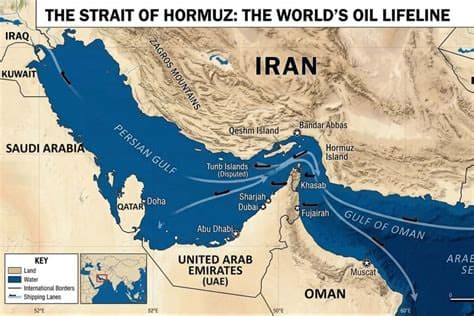
The Strait of Hormuz has always been more than just a body of water; it is a vital artery of global commerce, through which a significant portion of the world’s oil and trade flows. For this reason, how it is governed is a matter of international concern. Recently, Iran has articulated a clear vision for the future management of these waters, signaling a shift from previous arrangements. According to statements from parliamentary leaders, the system that existed before recent conflicts will not be returning. Instead, the movement of ships and the enforcement of order will be conducted according to mechanisms established and led by Iran. This announcement marks a decisive step in asserting the country’s full rights and responsibilities over its territorial waters and the surrounding areas. Central to this new approach is the establishment of specialized communication channels. Recognizing the importance of safety and avoiding misunderstandings, Iran has outlined plans for direct and dedicated lines of contact with various international parties, including the United States. These channels are intended to serve as a practical tool for coordinating movements, exchanging information, and handling any incidents that might occur swiftly and effectively. The objective, as described, is to ensure that navigation remains safe, secure, and efficient. By defining clear rules and procedures, the aim is to create a predictable environment where shipping companies can operate with confidence. At the same time, it represents an assertion of sovereignty, emphasizing that the rules of the road in these strategic waters will be set locally, based on national interests and international law. Naturally, this development invites close observation from the international community. Major trading nations, naval forces, and insurance providers will all need to familiarize themselves with the new framework and adjust their operations accordingly. There will be questions regarding implementation, enforcement, and how flexibility will be maintained in a dynamic environment. Transparency will be key in ensuring that the new system functions smoothly for all users. There is also a broader geopolitical dimension to this shift. It reflects the changing balance of influence in the region and Iran’s determination to play a central role in its own security environment. It suggests a move toward a model where local actors take the lead in managing their immediate surroundings, supported by dialogue and cooperation with the wider world. As these new mechanisms are put into practice, they will be tested by the daily reality of heavy maritime traffic and complex international relations. The challenge will be to maintain the delicate balance between asserting national authority and ensuring the free flow of trade that the global economy depends upon. Looking forward, the situation in the Strait of Hormuz will continue to evolve. Iran’s decision to redefine the rules of navigation is a significant development that adds a new layer to the geopolitical landscape. Whether this new framework will bring greater stability and clarity remains to be seen, but it undoubtedly sets the direction for the years ahead.
Published by Banx Network. This article is part of the Banx decentralized media programme, powered by the BXE token on the XRP Ledger.