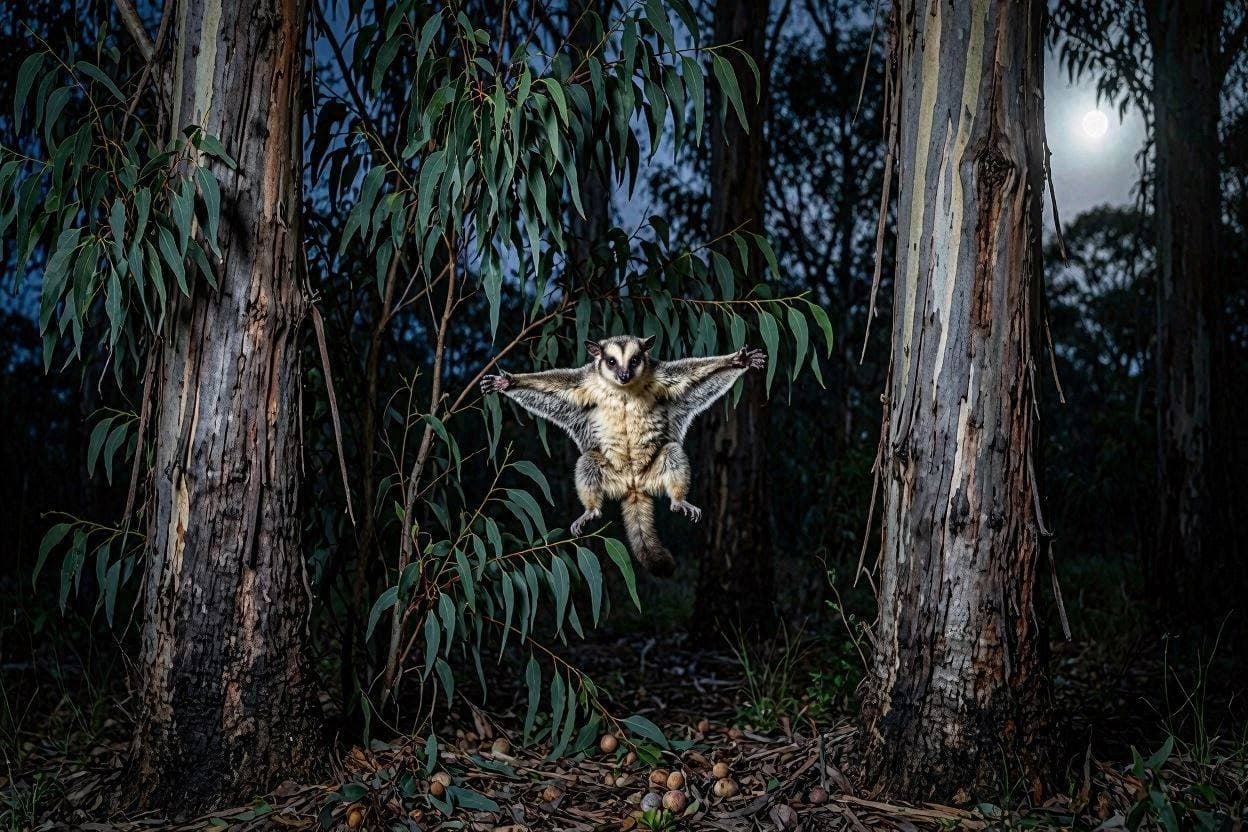
In the eucalyptus forests of Australia, the greater glider moves through the night with a grace that belies its vulnerability. Often mistaken for a flying squirrel, this marsupial uses a membrane of skin to glide between trees, covering distances of up to 100 meters in a single leap. Yet, despite its aerial prowess, the greater glider is facing a crisis driven by its extreme sensitivity to heat and its specialized dietary needs, earning it the affectionate but worrying label of "sensitive little guys."
The primary threat to the greater glider is climate change, specifically rising temperatures. These animals have a very low tolerance for heat stress. When temperatures exceed 30 degrees Celsius (86 Fahrenheit), they struggle to regulate their body temperature, leading to dehydration and even death. As heatwaves become more frequent and intense in Australia, the safe thermal refuge of the forest canopy is shrinking, leaving these gliders exposed to lethal conditions.
Their diet adds another layer of complexity to their survival challenges. Greater gliders feed almost exclusively on the leaves of specific eucalyptus species, which are low in nutrients and high in toxins. To survive, they have developed a slow metabolism and spend up to 20 hours a day sleeping to conserve energy. This sluggish lifestyle makes them less adaptable to rapid environmental changes, as they cannot easily switch food sources or increase activity levels to cope with stress.
Habitat fragmentation further exacerbates these issues. Logging and land clearing break up the continuous canopy that gliders rely on for movement. Without connected trees, they are forced to descend to the ground, where they are vulnerable to predators like foxes and cats. The loss of old-growth trees, which provide essential hollows for nesting, also limits their breeding success and shelter options.
Conservationists are working to protect remaining habitats and create corridors that allow gliders to move safely between forest patches. Efforts include planting native eucalyptus trees and protecting large, mature trees from logging. Community involvement is crucial, as local residents can help monitor populations and report sightings, contributing valuable data to research efforts.
The plight of the greater glider serves as an indicator of the health of Australian forests. As a species that requires specific conditions to thrive, its decline signals broader ecological disruptions. Protecting the glider means protecting the entire ecosystem, including the diverse array of plants and animals that share its habitat.
Public awareness is growing, with campaigns highlighting the unique charm and fragility of these nocturnal creatures. Their large, dark eyes and silent flight capture the imagination, fostering a sense of connection and responsibility. By understanding their needs, we can take steps to ensure they continue to glide through the night skies.
Closing: The greater glider’s struggle is a poignant reminder of the delicate balance of nature. As climate change reshapes our world, protecting these sensitive animals requires both global action on emissions and local efforts to preserve their forest homes.
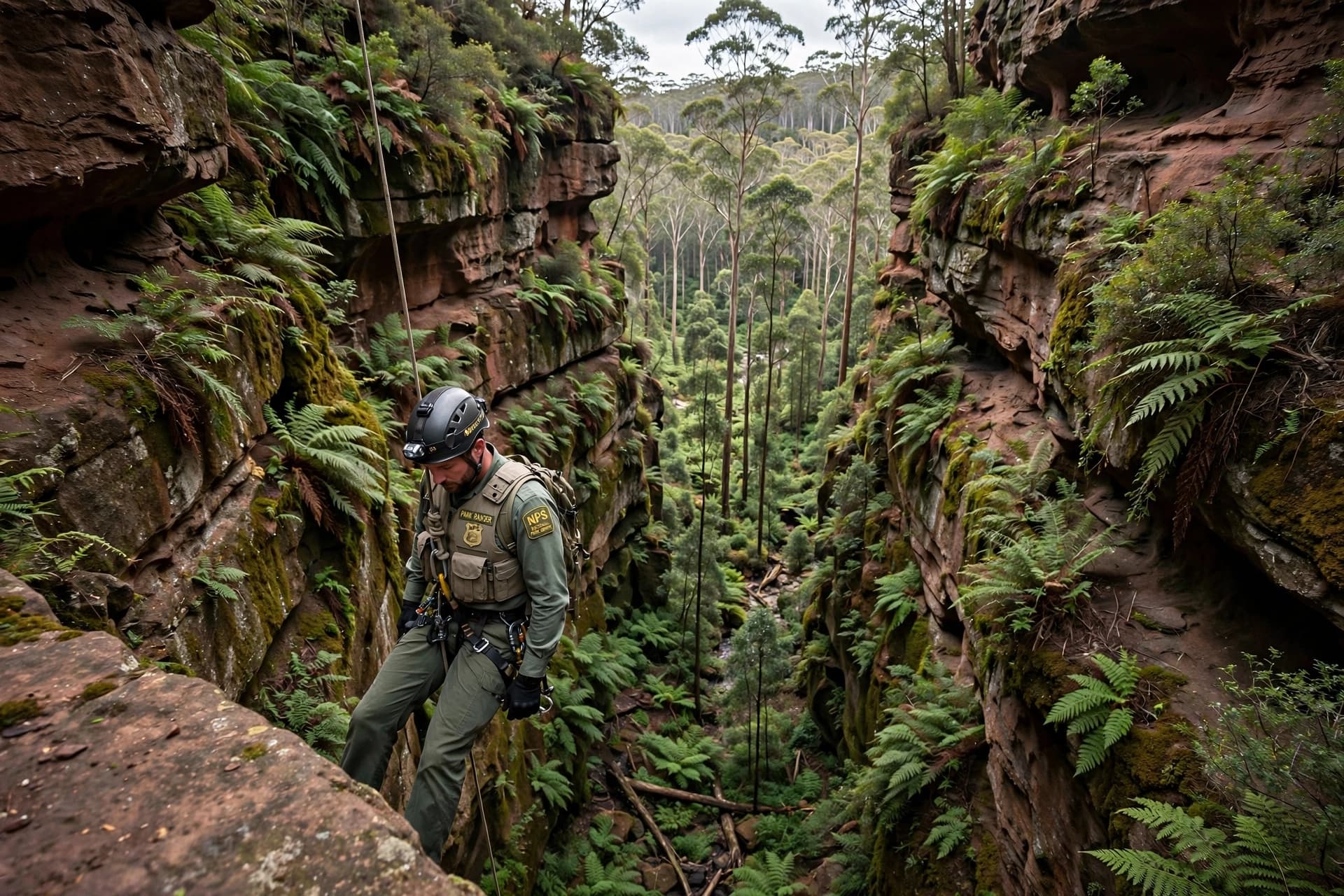
AI Image Disclaimer: The accompanying visuals are AI-generated representations intended to illustrate the context of the article and do not depict actual photographs of specific greater gliders in the wild.
Sources: ABC News The Guardian National Geographic
Published by Banx Network. This article is part of the Banx decentralized media programme, powered by the BXE token on the XRP Ledger.