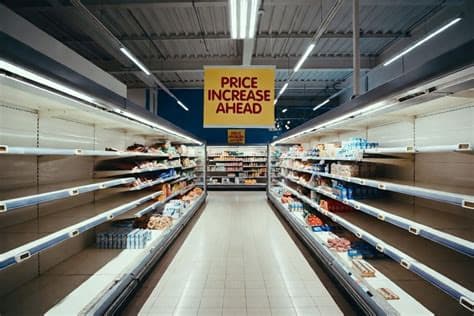
Energy prices have once again become a central political issue in the United States after Senate Republicans renewed their criticism of Democratic energy policies, arguing that previous decisions contributed to higher gasoline prices and increased inflation. The renewed messaging comes as lawmakers continue debating the nation's long-term energy strategy ahead of future legislative battles and election campaigns. Republican lawmakers contend that restrictions on domestic oil and natural gas production, combined with aggressive climate-focused policies, placed upward pressure on fuel costs during recent years. They argue that expanding American energy production, streamlining permitting processes, and reducing regulatory burdens would help stabilize fuel prices while strengthening the country's energy independence. The debate follows a period in which U.S. consumers experienced significant increases in gasoline and diesel prices, driven by a combination of global supply disruptions, post-pandemic demand, geopolitical tensions, inflationary pressures, and production decisions from major oil-producing nations. While political leaders often attribute price movements to domestic policies, economists generally note that fuel prices are influenced by numerous international market factors beyond the control of any single administration. Senate Republicans continue to promote policies aimed at increasing domestic drilling, expanding pipeline infrastructure, encouraging refinery investment, and reducing taxes they believe affect energy production. Supporters argue these measures would improve supply, create jobs, strengthen national security, and lower costs for consumers and businesses alike. Democrats, meanwhile, maintain that investments in renewable energy, electric vehicles, and clean energy technologies are necessary to reduce long-term dependence on fossil fuels while addressing climate change. They also argue that global market conditions—not solely domestic policy—played a significant role in the surge in fuel prices experienced over recent years. With inflation remaining an important concern for many households, energy affordability is expected to remain a key political issue. Both parties continue to present competing visions for balancing economic growth, consumer costs, environmental goals, and energy security. As Congress debates future legislation, the direction of U.S. energy policy will remain closely watched by businesses, investors, and consumers across the country.
Published by Banx Network. This article is part of the Banx decentralized media programme, powered by the BXE token on the XRP Ledger.