
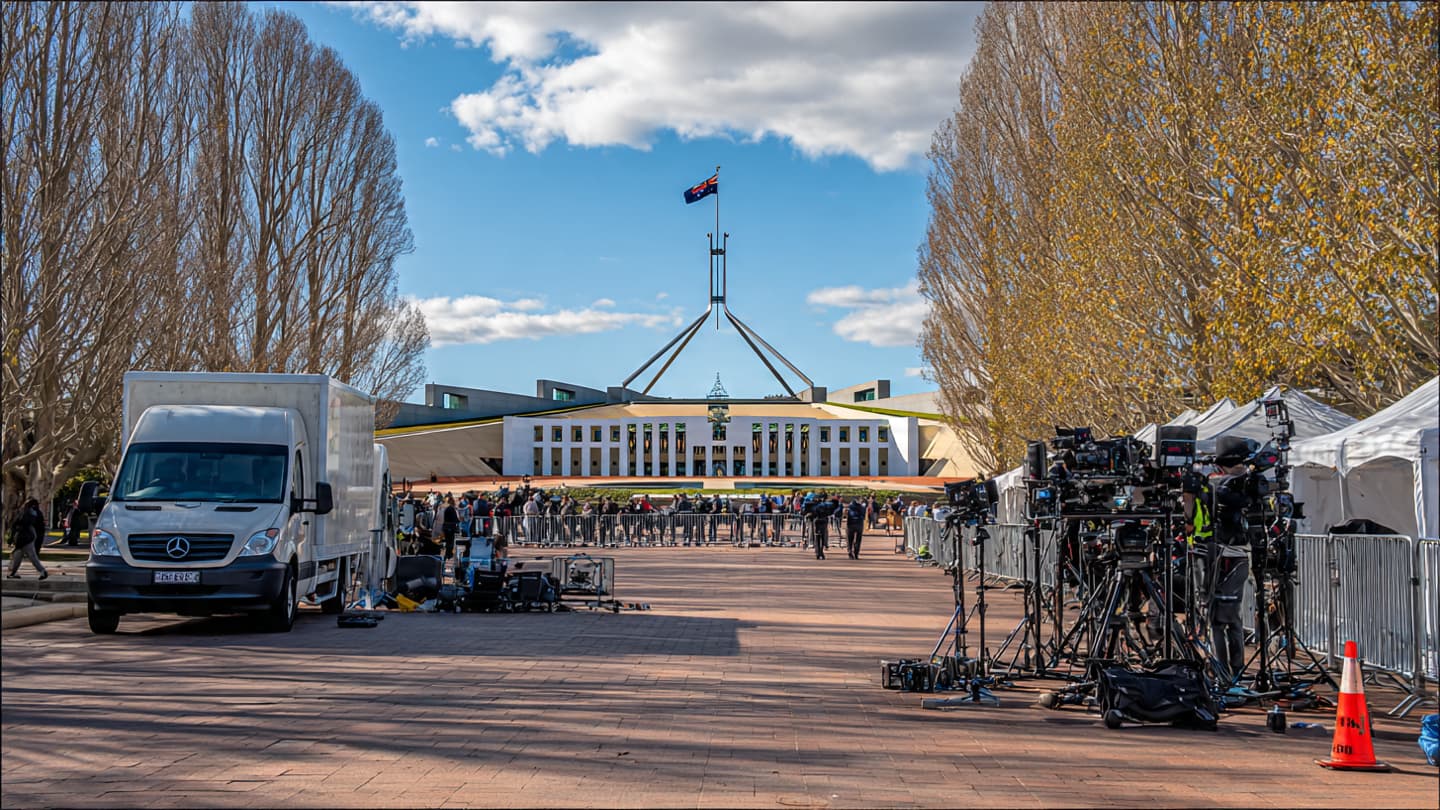
National security debates often unfold quietly in reports, committee rooms, and classified briefings far removed from public attention. Yet behind those formal processes lies a continuing question faced by modern democracies: how to balance security, accountability, and public trust. In Australia, renewed scrutiny is now focusing on the Australian Federal Police after concerns surrounding a counter-terror funding report prompted attention from both a royal commission and parliament.
The report has reportedly raised questions regarding the allocation, oversight, or effectiveness of funding connected to counter-terrorism operations and national security programs. Parliamentary review and commission inquiries are expected to examine how resources were managed and whether existing systems operated as intended.
Counter-terrorism remains one of the most sensitive areas of government responsibility. Since the early 2000s, Australia, like many nations, has expanded intelligence and policing capabilities in response to evolving security threats, including extremist violence and transnational networks.
Oversight mechanisms such as parliamentary committees, independent reviews, and royal commissions play significant roles in democratic accountability. These processes are designed to assess whether public institutions are using powers and funding appropriately while maintaining operational effectiveness.
Security experts note that counter-terror programs often involve highly complex coordination between police agencies, intelligence services, border authorities, and international partners. Such complexity can create challenges in transparency, budgeting, and long-term policy evaluation.
At the same time, governments generally argue that robust national security funding remains essential in an era of rapidly changing threats, including online radicalization, lone-actor violence, and international extremist networks. Authorities frequently stress that prevention efforts often operate quietly and may not be fully visible to the public.
Civil liberties advocates meanwhile continue encouraging careful scrutiny of national security spending and powers. Public confidence in counter-terror operations often depends not only on effectiveness, but also on perceptions of fairness, accountability, and institutional integrity.
Political leaders from multiple parties are expected to question AFP officials and review findings connected to the report in coming hearings. Such proceedings may influence future discussions about law enforcement funding priorities and oversight structures.
For now, the developing inquiry reflects the enduring challenge of safeguarding national security while preserving democratic transparency. As parliamentary and commission reviews continue, public attention is likely to remain fixed on how Australia manages both security risks and institutional accountability.
AI Image Disclaimer: Certain political and institutional visuals linked to this article were generated using AI-assisted imagery.
Sources: ABC News Australia, The Australian, Australian Federal Police statements, The Sydney Morning Herald, Reuters
Note: This article was published on BanxChange.com and is powered by the BXE Token on the XRP Ledger. For the latest articles and news, please visit BanxChange.com