The sun hangs heavy in the western sky, a blazing orb that seems to press down on the land with relentless intensity. Across the Western United States, a powerful heat dome has settled in, bringing record-breaking temperatures and heightened wildfire risks. In Phoenix, the mercury climbed to 116 degrees Fahrenheit, tying historical records and testing the limits of human endurance. Meanwhile, in Spokane, Washington, dry winds and soaring temperatures fueled fast-moving wildfires, forcing thousands to evacuate their homes. This dual crisis of heat and fire illustrates the growing challenges of a changing climate.
Phoenix has endured a streak of extreme heat, with temperatures exceeding 110 degrees for fifteen consecutive days. The city’s infrastructure and residents are adapting, but the strain is evident. Cooling centers are open, and utility companies are urging conservation to prevent blackouts. The heat is not just uncomfortable; it is dangerous, particularly for the elderly, the young, and those without adequate shelter. Public health officials are on high alert, monitoring for heat-related illnesses.
In the Pacific Northwest, the situation is equally dire. Spokane and surrounding areas are battling multiple wildfires, driven by historically strong winds and low humidity. Evacuation orders have been issued for several communities, displacing families and disrupting lives. Firefighters are working around the clock to contain the blazes, but the dry conditions make every spark a potential disaster. The smoke fills the air, reducing visibility and posing health risks to residents.
The heat wave is part of a broader pattern affecting the region. From California to Montana, temperatures are shattering records, and wildfire seasons are becoming longer and more intense. Climate scientists point to rising global temperatures as a key factor, noting that extreme weather events are becoming more frequent and severe. This reality demands not just immediate response but long-term adaptation and mitigation strategies.
Emergency management agencies are coordinating efforts across state lines, sharing resources and expertise. National Guard units have been deployed in some areas to assist with evacuations and firefighting. The scale of the response reflects the seriousness of the threat, as well as the interconnectedness of regional disasters. Cooperation is essential in managing crises that respect no borders.
For residents, the experience is one of uncertainty and resilience. Many have had to leave their homes with little notice, carrying only what they can hold. Others stay behind, preparing defenses and watching the horizon for signs of smoke. The psychological toll is significant, as the threat of loss looms large. Community support networks are vital in helping people cope with the stress and displacement.
The economic impact is also substantial. Wildfires damage property, disrupt businesses, and strain public budgets. Heat waves reduce productivity and increase energy costs. These factors combine to create a complex web of challenges for local governments and economies. Investing in resilient infrastructure and sustainable practices is crucial for minimizing future losses.
As the heat wave persists and wildfires continue to burn, the Western U.S. faces a test of endurance and adaptability. The records broken in Phoenix and the evacuations in Spokane are reminders of the power of nature and the urgency of addressing climate change. In the face of these challenges, communities are coming together, finding strength in unity and hope in action.
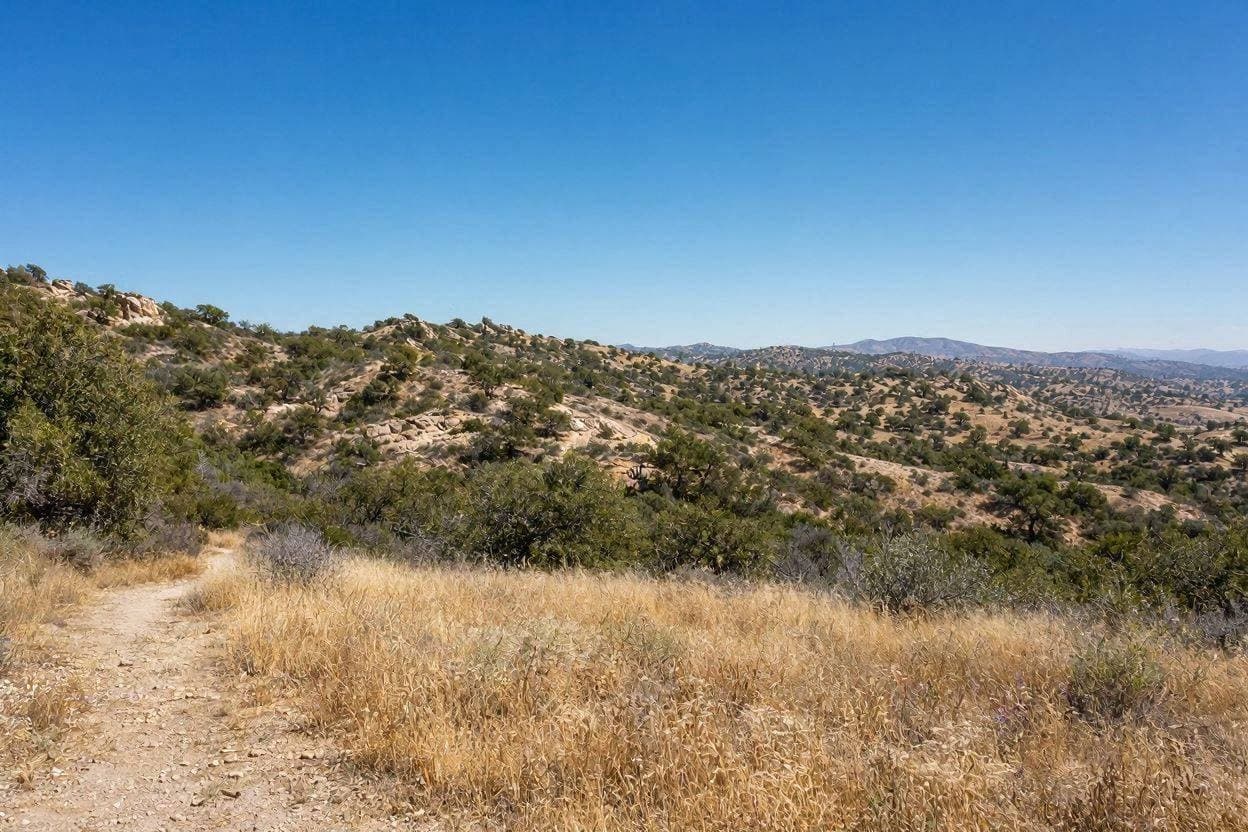
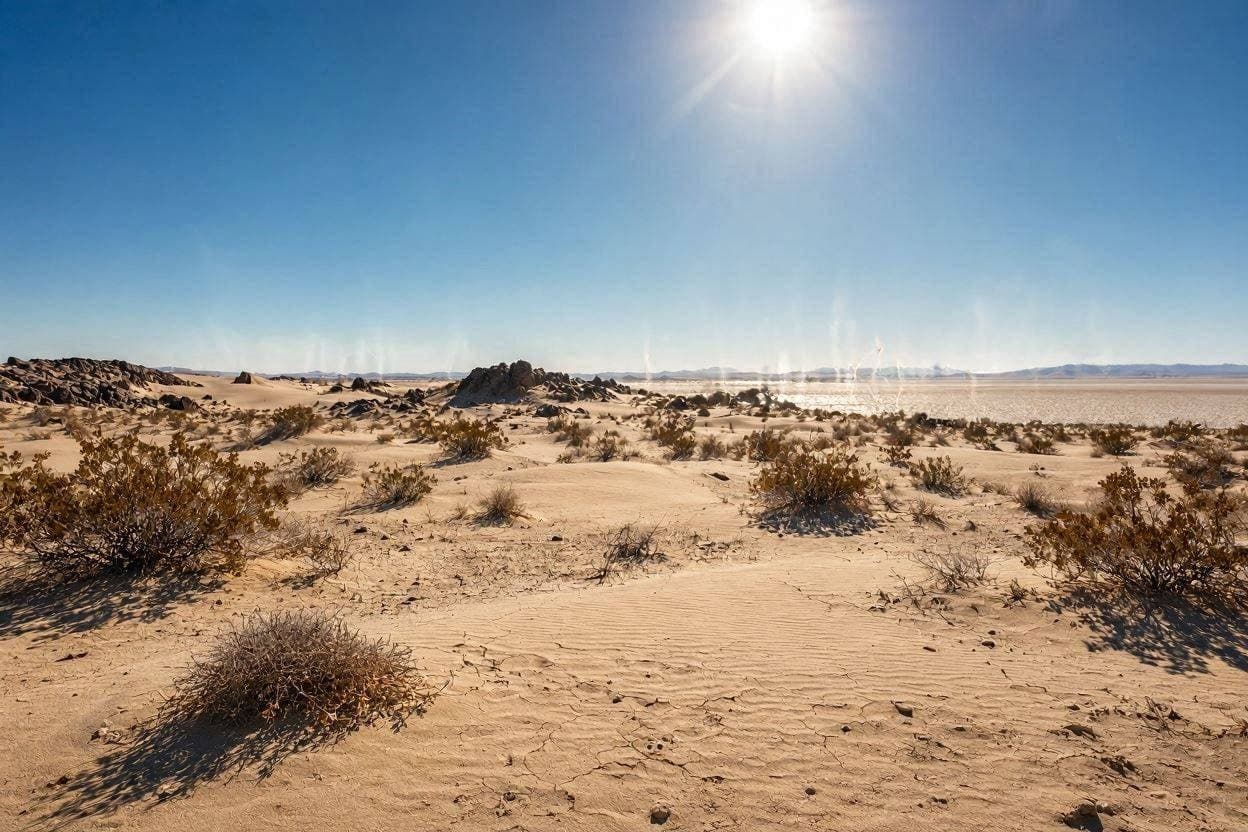
AI Image Disclaimer: The images associated with this article are AI-generated illustrations designed to represent the themes of extreme weather and wildfire response.
Sources: CNN, Yahoo News, NY1, Sydney Morning Herald
Note: This article was published on BanxChange.com and is powered by the BXE Token on the XRP Ledger. For the latest articles and news, please visit BanxChange.com