Some diseases remain largely outside public attention until sudden outbreaks bring them briefly into focus. Hantavirus is one of those illnesses—a rare but potentially deadly virus that scientists continue studying carefully as researchers work toward more effective prevention and treatment strategies. Despite years of investigation, there is still no widely approved vaccine available for global public use.
Hantavirus infections are typically linked to contact with rodents or exposure to environments contaminated by rodent urine, droppings, or saliva. In severe cases, the virus can lead to hantavirus pulmonary syndrome, a dangerous respiratory illness that may progress rapidly and require intensive medical care.
Health experts emphasize that outbreaks remain relatively uncommon compared with many infectious diseases. However, the virus carries a high mortality risk in serious cases, making prevention and early detection critically important. Rural areas, cabins, farms, storage spaces, and poorly ventilated buildings are among the environments most commonly associated with exposure risk.
Researchers around the world continue exploring vaccine candidates and antiviral treatments, though scientific progress has been challenging. Hantaviruses exist in multiple strains across different regions, complicating efforts to create broadly effective vaccines. Clinical testing and long-term safety evaluations also require extensive time and resources.
Public health agencies currently focus heavily on prevention education. Experts recommend minimizing rodent exposure, sealing entry points in buildings, safely cleaning potentially contaminated areas, and using protective equipment when handling rodent-infested environments. Awareness campaigns often target outdoor workers, campers, and residents in higher-risk regions.
Recent scientific attention surrounding hantavirus has also highlighted the broader importance of zoonotic disease research. Many infectious diseases originate through interactions between humans, animals, and environmental systems. Scientists increasingly study how urban expansion, climate shifts, and ecosystem disruption may influence disease transmission patterns globally.
Medical researchers stress that while headlines surrounding rare viruses can generate public anxiety, context remains important. Hantavirus cases remain limited in most countries, and simple preventative measures significantly reduce risk. Health officials continue encouraging calm, evidence-based public understanding rather than fear-driven reactions.
The absence of an approved vaccine underscores the complexity of infectious disease research. Developing vaccines requires not only scientific innovation but extensive international coordination, funding, clinical trials, and regulatory review. Even diseases known for decades can remain difficult targets for medical science.
For now, researchers continue their careful work in laboratories and field studies around the world. While hantavirus remains uncommon, the ongoing search for prevention tools reflects a larger lesson from modern public health: vigilance and preparation often matter long before crises become widespread.
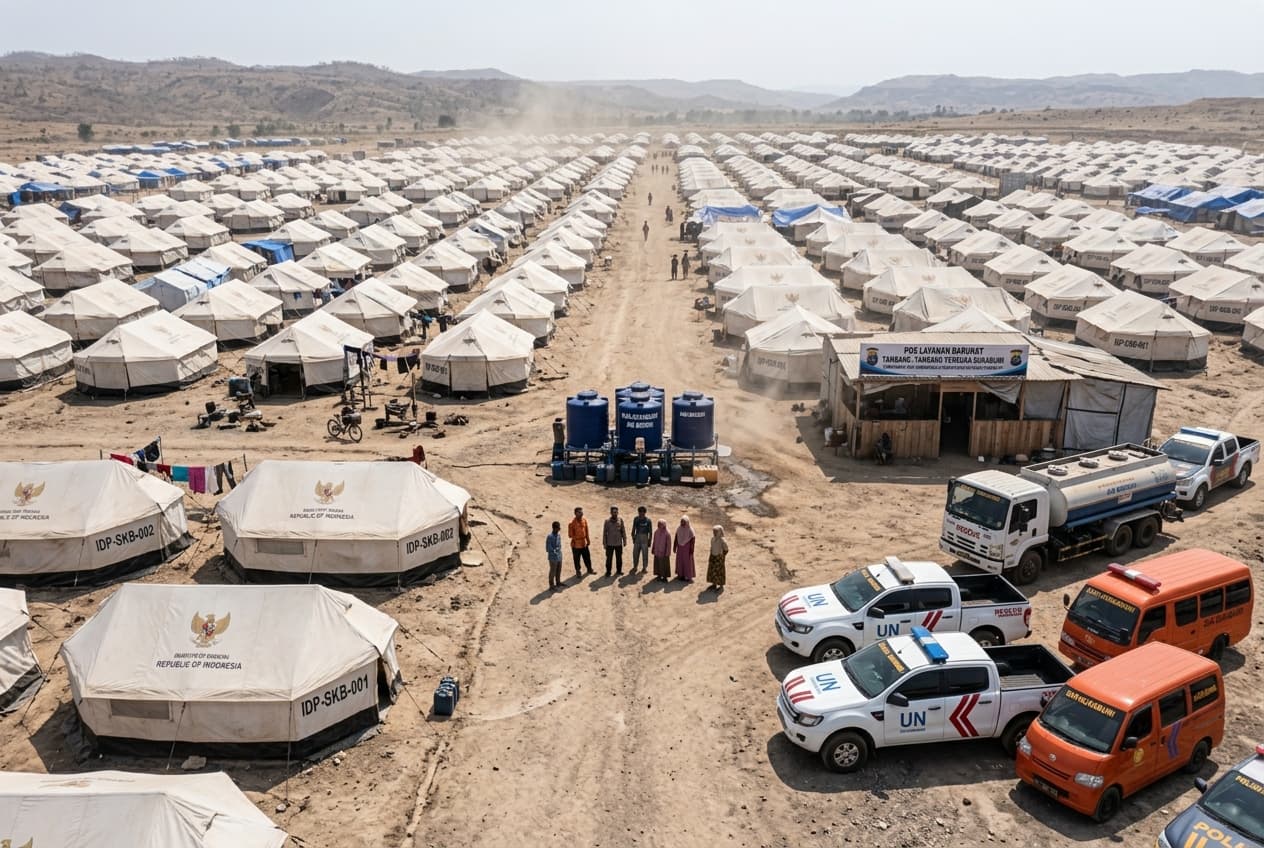
AI Image Disclaimer: Some medical and environmental visuals related to this article were generated with AI assistance for illustrative newsroom presentation.
Sources: Nature, Centers for Disease Control and Prevention, World Health Organization, Reuters, Science Magazine
Published by Banx Network. This article is part of the Banx decentralized media programme, powered by the BXE token on the XRP Ledger.