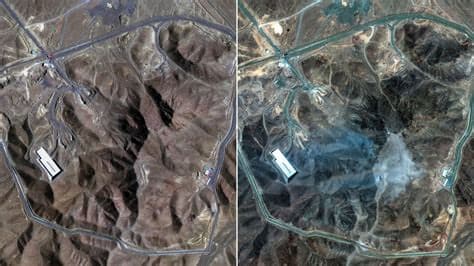
Recent high-resolution satellite photos analyzed by open-source and defense analysts show visible activity at Iran’s nuclear-related sites that were damaged in prior attacks. In imagery of the Isfahan and Natanz areas, analysts observed new roof structures placed over damaged buildings and other security-like changes at locations that had been previously hit.
Officials and experts monitoring Iran’s nuclear program say the coverings can significantly limit what satellites can see on the ground, complicating efforts by outside observers to determine the status of remaining equipment and any materials that may have survived earlier damage. One assessment described the work as consistent with efforts to evaluate and access potentially recoverable assets without making them openly observable.
In separate analysis based on newly available imagery from additional Iranian sites, investigators also reported broader evidence of strike-related damage across military and nuclear-linked infrastructure, alongside details about the extent of destruction visible at specific locations. That broader context has fueled scrutiny over what comes next—whether remaining facilities are being repaired, stabilized for future operations, or modified to reduce vulnerability and visibility.
Analysts emphasized that satellite construction activity does not, by itself, prove that full reconstruction or resumed enrichment is underway. Instead, they say the most immediate takeaway is that Iran appears to be taking observable steps to manage the aftermath of damage—potentially to protect, recover, or conceal sensitive capabilities and assets while access for independent inspectors remains constrained.
Published by Banx Network. This article is part of the Banx decentralized media programme, powered by the BXE token on the XRP Ledger.