In the tranquil hills of Myanmar, where monasteries have long served as sanctuaries of peace and spiritual refuge, a devastating strike has shattered the silence. Fourteen people were killed when a military attack targeted a monastery, turning a place of prayer into a scene of tragedy. This incident underscores the brutal reality of the ongoing conflict in the country, where no space seems safe from the reach of violence, and where the sacred is increasingly vulnerable to the machinery of war.
The monastery, a center for community life and religious practice, was reportedly sheltering civilians and monks when the strike occurred. Witnesses describe a sudden explosion that ripped through the building, leaving behind rubble and grief. The loss of life includes both religious figures and laypeople who had sought safety within its walls. For the local community, the attack is not just a loss of lives but a violation of a deeply held cultural and spiritual trust.
Myanmar has been engulfed in civil unrest and armed conflict since the military coup in 2021. Various ethnic armed organizations and pro-democracy forces have clashed with the military junta, leading to widespread displacement and humanitarian crises. Monasteries, often neutral grounds, have sometimes become inadvertent targets or shelters for those fleeing violence. This attack highlights the eroding boundaries of conflict, where traditional protections are ignored in the pursuit of military objectives.
International human rights organizations have condemned the strike, calling it a potential war crime. They urge for an immediate investigation and accountability for those responsible. The targeting of religious sites is a grave violation of international law, which mandates the protection of cultural and spiritual heritage during conflicts. The global community watches with concern, hoping for pressure that might deter further such acts.
For the Buddhist community in Myanmar, the loss is profound. Monks are revered figures, and their deaths send shockwaves through the faithful. The incident has sparked outrage and sorrow, with many calling for peace and an end to the violence. It serves as a painful reminder of the human cost of political instability, where innocent lives are caught in the crossfire of power struggles.
Local aid groups are working to support the survivors and families of the victims. Providing medical care, psychological support, and basic necessities is a challenging task in a region where resources are scarce and access is limited. Their efforts are a testament to the resilience of the human spirit, even in the face of immense suffering. Community solidarity becomes a vital lifeline in times of crisis.
The political implications of the strike are significant. It may harden resolve among opposition groups and deepen distrust in the military regime. Negotiations for peace become more difficult when such breaches of trust occur. The path to stability requires not just military solutions but also respect for human rights and cultural norms. Without this, the cycle of violence is likely to continue.
In the end, the tragedy at the monastery is a stark symbol of the conflict’s toll. It calls for compassion, justice, and a renewed commitment to peace. For Myanmar, it is a moment of mourning and reflection. The hope is that the voices of the victims will not be silenced, but will instead inspire a movement toward reconciliation and healing.
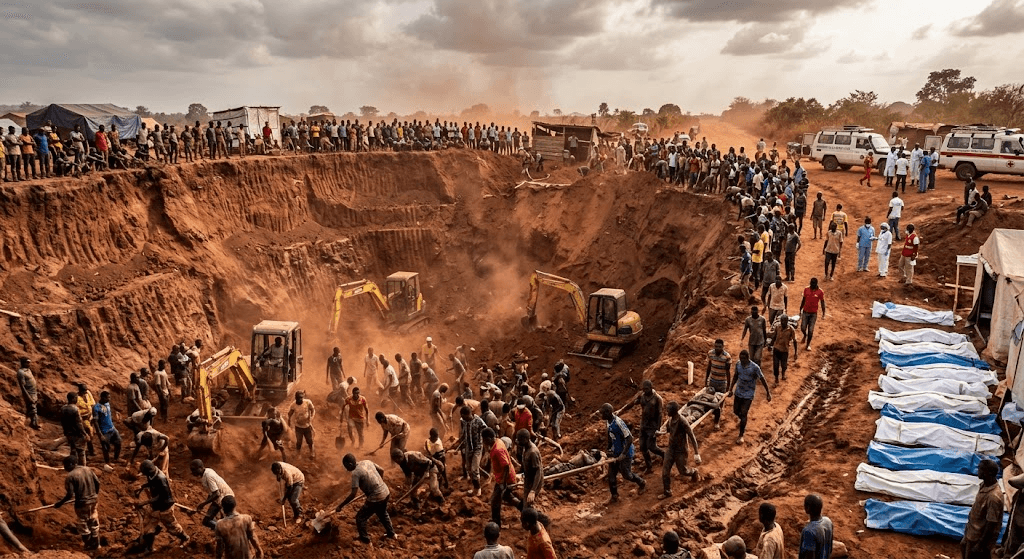
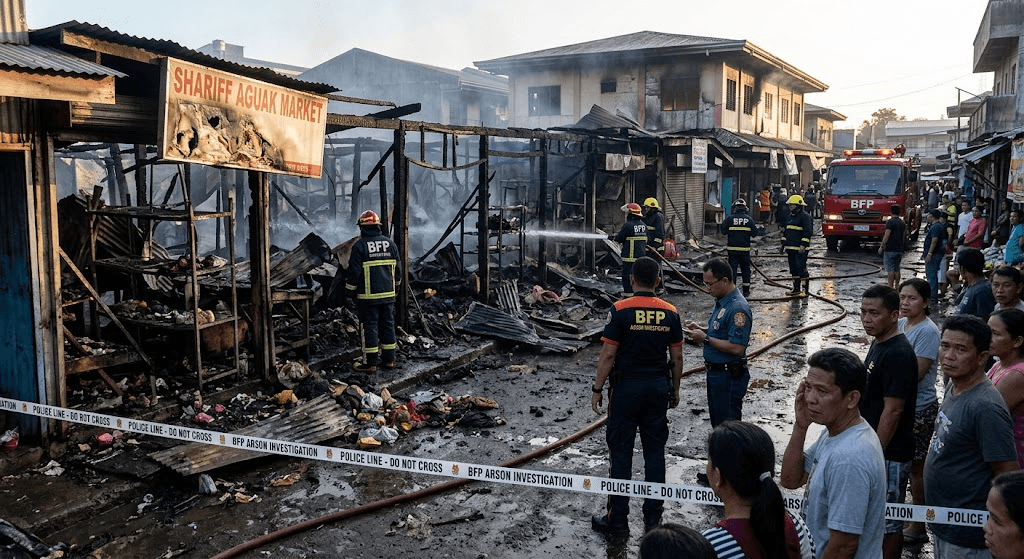
AI Image Disclaimer: Visuals in this article are AI-generated illustrations of monastery architecture and abstract representations of mourning, designed to visualize the theme of loss and conflict without depicting real victims, graphic violence, or specific identifiable locations.
Sources: Reuters, BBC News, Al Jazeera, The Irrawaddy
Note: This article was published on BanxChange.com and is powered by the BXE Token on the XRP Ledger. For the latest articles and news, please visit BanxChange.com