
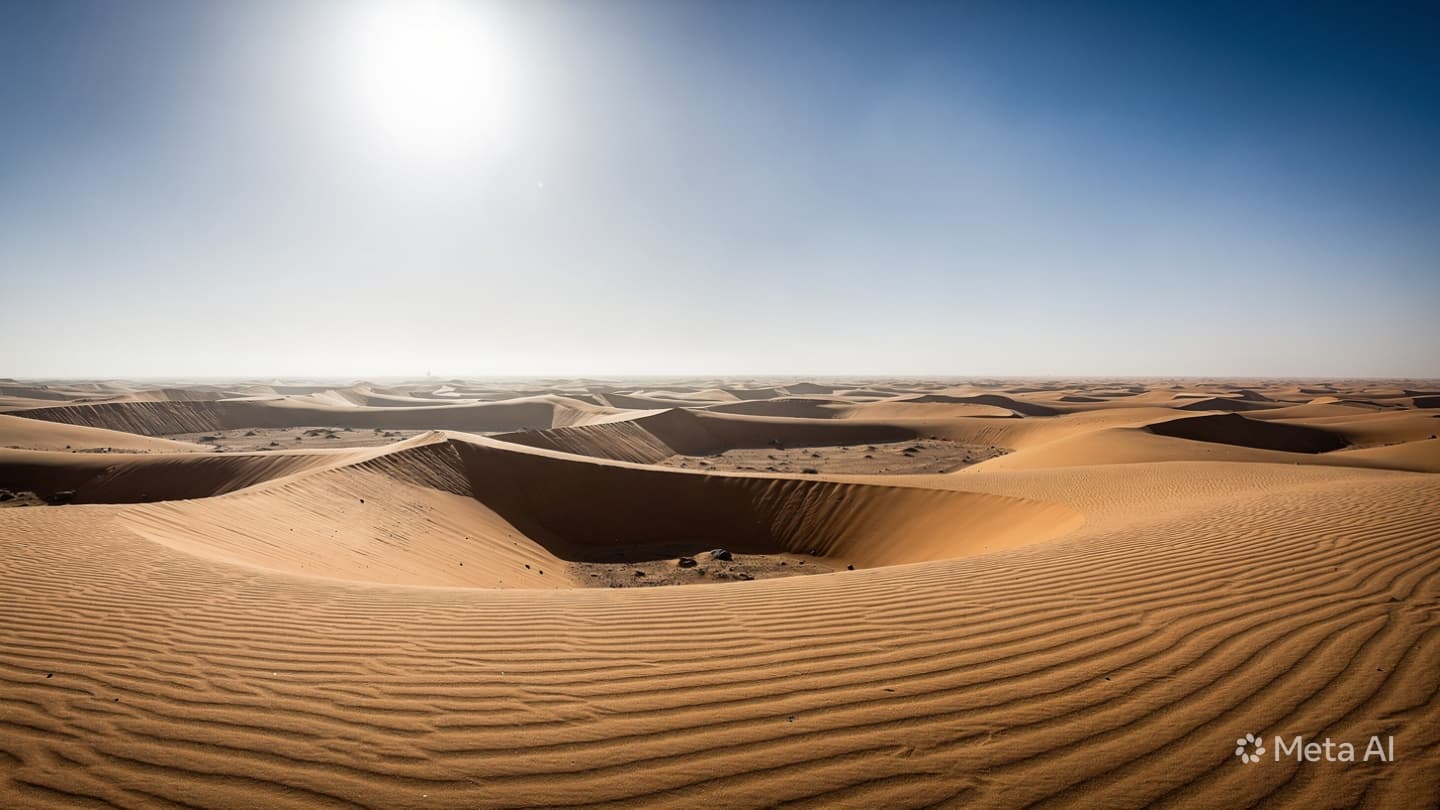
Agadez, Niger—The transit corridors stretching across the Sahara have become a graveyard for thousands. Reports from humanitarian monitors confirm that migrant deaths are occurring daily. Those attempting to reach the Mediterranean are increasingly falling victim to the hostile terrain and predatory smugglers.
The journey is often broken into stages by organized transport networks. Travelers are crammed into aging pickup trucks that frequently break down in the interior. Once the vehicle fails, the primary survival strategy for smugglers is to abandon the passengers and flee to avoid detection.
Water supplies are rarely adequate for the duration of the crossing. Surviving migrants have described harrowing scenes where their only options were contaminated wells or total dehydration. Exposure to the elements is immediate once the transport vehicles are stranded in the dunes.
The routes themselves are shifting as authorities crack down on traditional transit hubs. These new, unmapped paths bypass established outposts, meaning there is zero chance for rescue if an emergency arises. The remoteness makes it impossible for aid groups to provide even basic monitoring.
Financial desperation is driving more individuals into these high-risk scenarios. Many are fleeing active conflict zones in the Sahel, while others are pushed by the impact of crop failures on their livelihoods. They see no other option but to move north, despite the known lethality of the path.
Trafficking networks are exploiting this movement for profit. Once in the interior, some are subjected to forced labor or sold into detention cells. The physical violence experienced at the hands of these captors is reported to be as frequent as the deaths caused by the desert environment.
Health facilities at the northern and southern edges of the desert are seeing a rise in patients with severe trauma. These individuals often suffer from the physical toll of dehydration and the psychological impact of witnessing others die in the sand. Their medical needs are rarely met in these isolated zones.
The scale of the crisis is likely significantly higher than official records suggest. Most bodies are never recovered, left to the shifting sands of the deep Sahara. The lack of an integrated search and rescue system ensures that these deaths go largely unrecorded in international statistics.
Authorities remain focused on border security rather than humanitarian interventions for those already inside the desert. This policy effectively forces travelers further into the dangerous interior to avoid patrols. The cycle of risk and death continues without any immediate intervention or plan.
Note: This article was published on BanxChange.com and is powered by the BXE Token on the XRP Ledger. For the latest articles and news, please visit BanxChange.com