
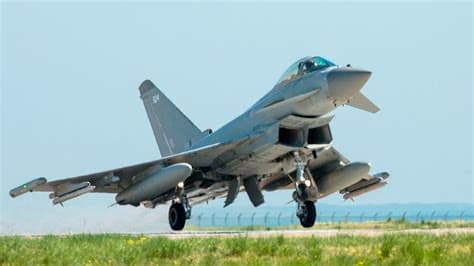
A recent incident over the Black Sea has heightened anxieties regarding military interactions in the area, as Russian fighter jets reportedly intercepted a Royal Air Force (RAF) reconnaissance aircraft in what officials are describing as a "dangerous" encounter. This incident underscores the rapidly escalating tensions between NATO forces and Russia.
According to eyewitness reports and military sources, the interception occurred as the RAF spy plane was conducting a routine surveillance mission in international airspace. Russian jets approached closely, reportedly engaging in aggressive maneuvers that posed a risk to the safety of the RAF aircraft and its crew.
The Ministry of Defence in the UK has condemned the actions of the Russian pilots, emphasizing that such aggressive tactics threaten not only the safety of military personnel but also raise the potential for an accidental escalation into conflict. Officials reaffirmed their commitment to protecting airspace and maintaining freedom of navigation in the region.
Analysts suggest that this incident may represent a broader strategy by Russia to assert its dominance in contested airspace, particularly given ongoing geopolitical tensions related to Ukraine and NATO's presence near its borders. The RAF has been involved in increased patrols in the region as part of its commitment to safeguard European security.
This latest encounter serves as a reminder of the delicate balance of power in the Black Sea region, with both NATO and Russian forces on high alert. Military experts call for improved communication and strategic dialogue to prevent further dangerous confrontations that could lead to unforeseen consequences.
As investigations into the incident continue, both sides are urged to approach future engagements with caution and a focus on de-escalation to ensure the safety of all aircraft operating in the region.
Note: This article was published on BanxChange.com and is powered by the BXE Token on the XRP Ledger. For the latest articles and news, please visit BanxChange.com