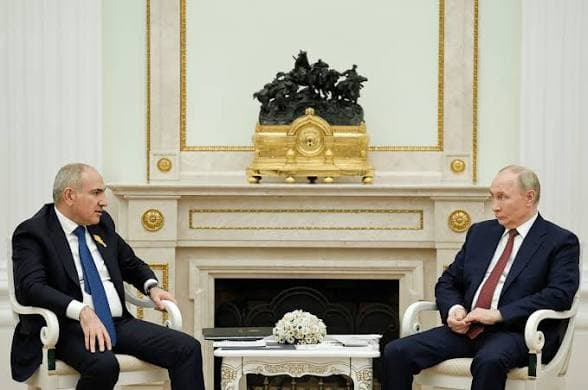
Russia's Federal Service for Veterinary and Phytosanitary Surveillance, commonly known as Rosselkhoznadzor, announced on May 28, 2026, the suspension of imports from Armenia, citing concerns over phytosanitary safety. The restrictions, which involve key agricultural products like fresh tomatoes, cucumbers, peppers, and herbs, will be in effect until further notice. This ban represents a continuation of rising tensions between the two countries, particularly in light of Armenia's bid to strengthen ties with the European Union.
The timing of the import ban is notable, as Armenia is set to hold parliamentary elections on June 7, 2026. Prime Minister Nikol Pashinyan, facing opposition from pro-Russian groups, has generally advocated for a shift toward Western integration, causing friction with Moscow. Just days prior, Russia had also restricted imports of Armenian flowers and alcoholic beverages, further tightening its economic grip on Armenia.
Russian officials have justified the latest measure by claiming an increase in violations regarding the safety of imported goods from Armenia, with 181 cases of contaminated produce reported this year alone. However, many view this move as primarily political, aimed at punishing Armenia for its Western leanings. As Russia continues to leverage its economic influence, it has threatened to withdraw from a 2013 bilateral agreement that ensures Armenia receives natural gas and oil at subsidized rates if Yerevan keeps pursuing closer EU ties.
Amidst these tensions, Pashinyan maintains that closer relations with the EU could yield more substantial financial benefits for Armenia than any potential increases in Russian energy costs. This approach further complicates the historical alliances that have defined Armenia's foreign policy, especially considering Armenia's reliance on Russia for military and economic support.
As Moscow intensifies its pressure, analysts observe that Armenia's agricultural sector may be disproportionately affected, given that $127 million of Armenia's total fruit and vegetable exports typically go to Russia. This dependency makes the stakes particularly high as Armenia navigates its shift in diplomatic orientation, highlighting the delicate balance of maintaining historical alliances while seeking new opportunities in the West.
Published by Banx Network. This article is part of the Banx decentralized media programme, powered by the BXE token on the XRP Ledger.