In the heart of Eastern Europe, where the Danube River flows with steady grace, a critical balance between energy production and environmental stewardship is being recalibrated. Romania has adopted new measures to ensure sufficient water levels in the Danube to cool the Cernavoda nuclear power plant. This strategic move addresses growing concerns about water scarcity and the operational needs of nuclear facilities in an era of changing climate patterns.
The Cernavoda plant, a key source of electricity for Romania, relies on the river for its cooling systems. During periods of low water flow, typically in hot summers, the plant’s efficiency can be compromised, posing risks to both energy supply and environmental health. The new measures involve coordinated efforts with upstream countries and local authorities to manage water release and retention, ensuring a stable supply for industrial use while maintaining ecological integrity.
For the surrounding communities, the decision brings a sense of security. Reliable energy is essential for economic stability and daily life, and the nuclear plant plays a vital role in meeting this demand. However, the dependence on river water also highlights the vulnerability of infrastructure to climate change. Droughts and heatwaves are becoming more frequent, challenging traditional methods of resource management.
Environmentalists have welcomed the proactive approach but urge caution. They emphasize the need to monitor the impact of increased water usage on aquatic ecosystems and downstream users. The Danube is a lifeline for many species and communities, and any alteration in its flow must be carefully managed. Sustainable practices are essential to preserve the river’s health for future generations.
The collaboration between Romania and its neighbors reflects a growing recognition of shared resources. Water management is no longer a national issue but a regional one, requiring dialogue and cooperation. By working together, countries can develop strategies that benefit all stakeholders, balancing energy needs with environmental protection. This model of diplomacy offers hope for resolving other transboundary challenges.
Technological innovations are also part of the solution. Upgrades to the plant’s cooling systems and investment in alternative water sources are being explored to reduce reliance on the river. These efforts aim to create a more resilient infrastructure that can withstand the pressures of a warming world. Innovation and adaptation are key to sustainable development.
For the public, the news is a reminder of the complex interplay between technology and nature. It invites discussions about energy policy, climate resilience, and environmental responsibility. Understanding these connections empowers citizens to advocate for policies that protect both their livelihoods and the planet. Education and transparency are crucial in building trust.
In the end, Romania’s measures are a step toward a more sustainable future. They demonstrate the importance of foresight and cooperation in managing natural resources. For the Danube, it is a promise of care and attention. For the world, it is an example of how nations can adapt to changing conditions while preserving the essentials of life.
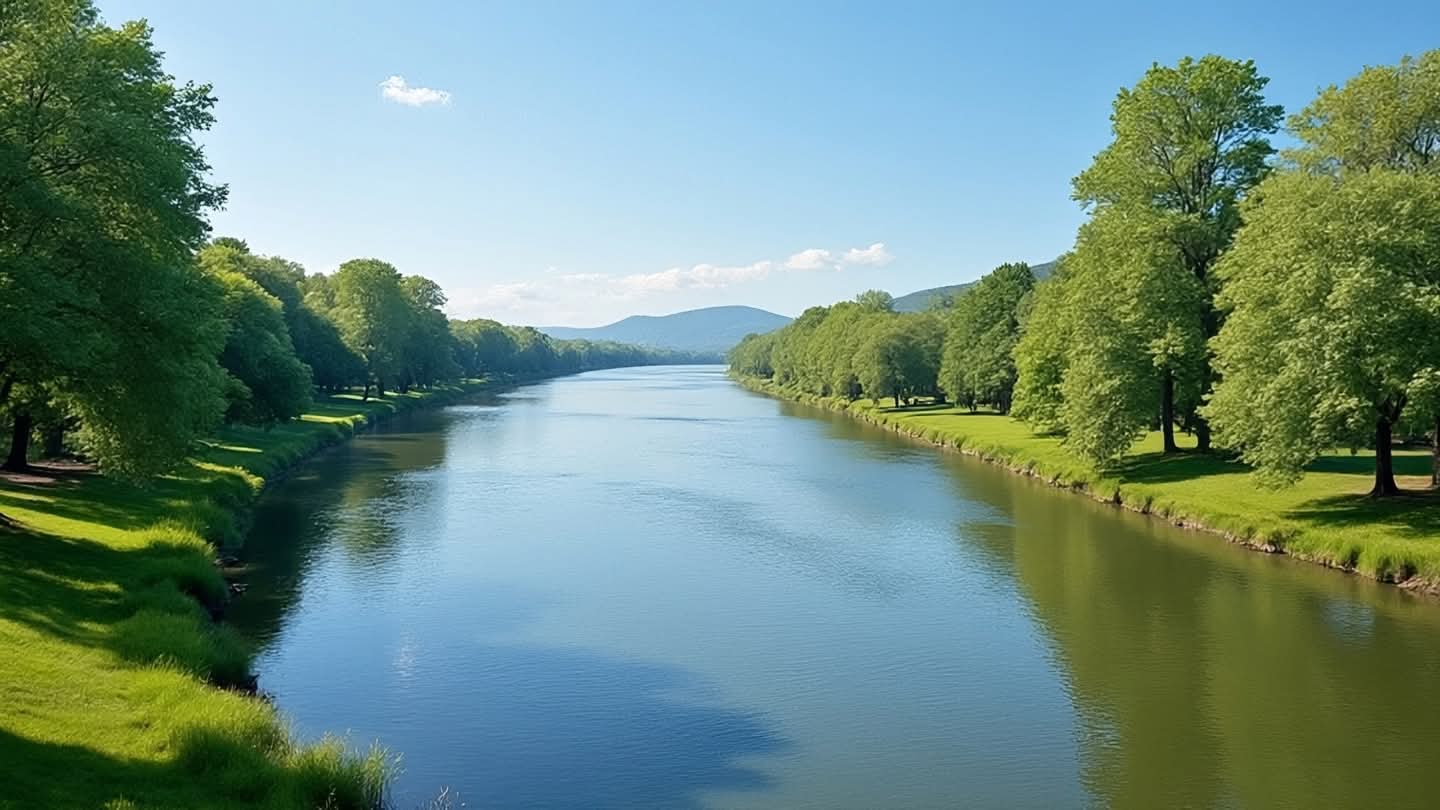
AI Image Disclaimer: Images accompanying this report are AI-generated artistic interpretations of river landscapes and nuclear facilities, intended to visualize the context of water management without depicting real proprietary plant designs or specific environmental damage.
Sources: Reuters, Euractiv, Romania Insider, Euronews
Note: This article was published on BanxChange.com and is powered by the BXE Token on the XRP Ledger. For the latest articles and news, please visit BanxChange.com