
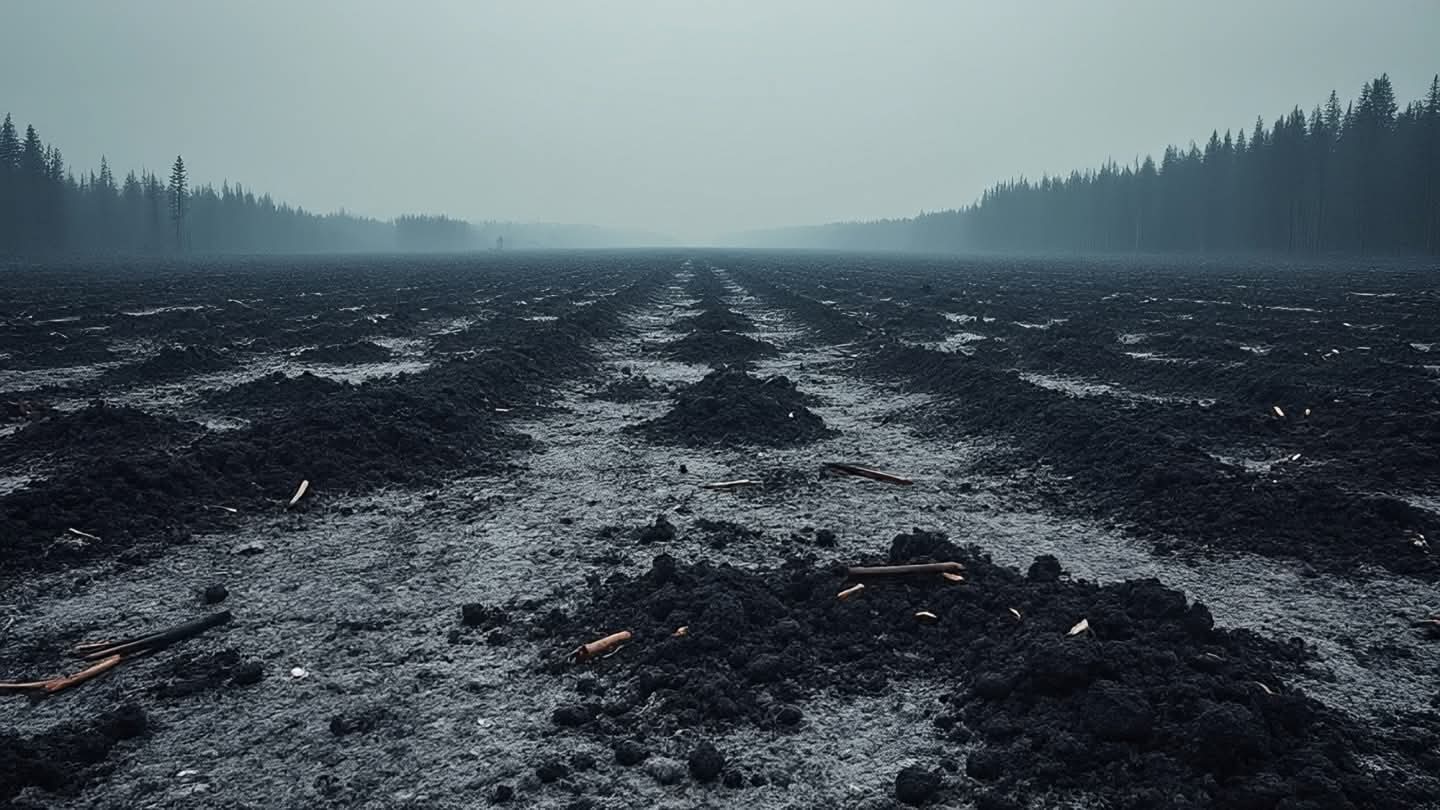
Beneath the scorched earth of Europe’s forests, a silent history lies dormant, waiting to be unearthed by the flames. As devastating wildfires sweep across the continent, consuming acres of woodland and threatening communities, they are exposing a hidden danger: unexploded ordnance from World War I and World War II. These relics of past conflicts, buried for decades in soil and peat, are now being revealed by the intense heat, posing a lethal threat to firefighters and residents alike. It is a stark reminder that the echoes of war can linger long after the peace treaties are signed.
In regions like France, Belgium, and Germany, the ground is still littered with the remnants of twentieth-century battles. The "Iron Harvest," as it is often called, refers to the vast quantities of munitions that failed to detonate upon impact. Normally, these devices remain undisturbed, slowly corroding in the dark. However, wildfires strip away the protective layers of vegetation and topsoil, leaving these volatile artifacts exposed. In some cases, the extreme heat has even triggered explosions, sending shrapnel flying and complicating firefighting efforts.
For emergency responders, this adds a layer of complexity to an already dangerous job. Firefighters must not only battle the blaze but also remain vigilant for signs of buried explosives. Specialized bomb disposal units are often deployed alongside fire crews to secure areas before they can be safely entered. This coordination requires careful planning and communication, ensuring that the urgency of extinguishing the fire does not compromise safety. It is a delicate balance between immediate action and cautious procedure.
The psychological impact on local communities is profound. Residents who have lived near these forests for generations may suddenly find their backyards transformed into potential minefields. The discovery of a bomb can lead to evacuations and road closures, disrupting daily life and causing anxiety. For many, it is a tangible connection to a history they may have only known through stories, now made real by the threat of explosion. It underscores the long-lasting scars of conflict on the landscape and the people.
Environmentalists point out that climate change is exacerbating this issue. Hotter, drier summers increase the frequency and intensity of wildfires, making it more likely that buried ordnance will be exposed. Peat fires, which can smolder underground for weeks, are particularly dangerous as they can heat munitions from below, increasing the risk of detonation. This intersection of historical legacy and modern climate crisis creates a unique challenge for European nations.
Efforts to map and remove unexploded ordnance are ongoing, but the sheer volume makes complete clearance impossible. Instead, authorities focus on high-risk areas and respond to discoveries as they arise. Public awareness campaigns encourage residents to report suspicious objects, fostering a community-wide approach to safety. Education plays a key role in preventing accidents, teaching people to recognize the signs of old munitions and avoid touching them.
International cooperation is also essential, as these issues cross borders. Sharing best practices for disposal and firefighting in contaminated zones helps improve safety standards across the continent. Organizations dedicated to clearing landmines and unexploded bombs offer expertise and resources, supporting local efforts. This collaborative spirit reflects a shared commitment to protecting lives and preserving the environment.
In the end, the exposure of buried bombs by wildfires is a poignant symbol of the past intruding on the present. It reminds us that history is not just written in books but embedded in the land we walk on. For Europe, it is a call to respect the legacy of war while adapting to the realities of a changing climate. The hope is that through vigilance and cooperation, these hidden dangers can be managed, allowing the land to heal.
AI Image Disclaimer: The visual elements in this article are AI-generated illustrations depicting forest landscapes and abstract representations of historical remnants, designed to reflect the themes of wildfire and hidden danger without showing real proprietary footage of unexploded ordnance or specific disaster sites.
Sources: ABC News, The Conversation, Engineering & Technology, WJCL
Note: This article was published on BanxChange.com and is powered by the BXE Token on the XRP Ledger. For the latest articles and news, please visit BanxChange.com


.jpg&w=3840&q=75 "Israeli Military Strikes Southern Lebanon With Phosphorus Shells and Airstrikes")