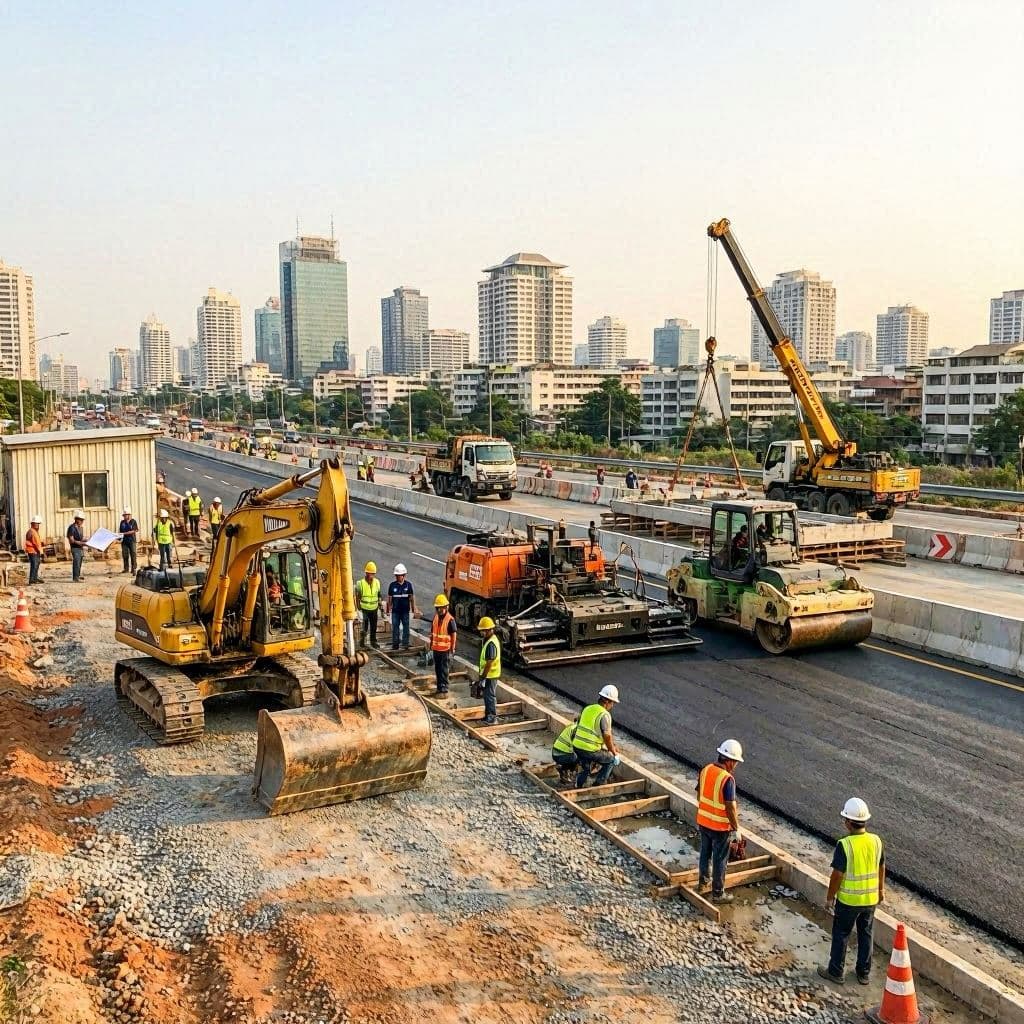
Morning often arrives quietly before a city fully awakens. Roads that appear ordinary today may become the pathways of tomorrow's opportunities, while bridges and railways quietly shape connections long before their impact is widely recognized. Thailand now finds itself at one of those moments where public investment is expected to serve as both a foundation and a signal of confidence for the future.
The Thai government has announced a series of investment initiatives designed to strengthen economic recovery by expanding infrastructure development across the country. The measures include transportation improvements, logistics upgrades, and projects intended to stimulate regional economic activity while attracting private investment.
Officials describe the initiative as part of a broader effort to reinforce long-term economic resilience following years of global uncertainty. Rather than relying solely on short-term stimulus, policymakers are emphasizing projects expected to provide benefits over many years through improved productivity and connectivity.
Transportation remains one of the government's primary priorities. Expanding road networks, modernizing rail services, and improving port facilities are expected to support both domestic commerce and international trade. Better infrastructure may also help reduce logistical costs for businesses operating throughout the country.
Investment incentives are also being introduced to encourage participation from domestic and foreign companies. Authorities believe that greater investor confidence can contribute to job creation while supporting manufacturing, tourism, and service industries that remain important pillars of Thailand's economy.
Economists generally note that infrastructure spending often delivers its strongest effects over time. Construction activity can generate immediate employment, while completed projects may continue supporting business growth through improved transportation efficiency and regional development.
Financial analysts continue to monitor public spending levels alongside fiscal sustainability. Maintaining a balance between economic expansion and responsible budgeting remains an important consideration as the government moves forward with its development plans.
Thailand's strategy reflects a broader trend seen across many emerging economies, where infrastructure investment is increasingly viewed as an instrument for strengthening competitiveness amid evolving global supply chains and changing patterns of international commerce.
As implementation begins, observers will continue evaluating the progress of individual projects and their contribution to Thailand's long-term economic objectives. The coming years will offer a clearer picture of how these investments translate into sustained economic growth.
AI Image Disclaimer: The accompanying illustration was created using AI technology to visually represent the reported events.
Source Verification Check: Reuters, Bloomberg, Nikkei Asia, Bangkok Post, The Nation Thailand
Note: This article was published on BanxChange.com and is powered by the BXE Token on the XRP Ledger. For the latest articles and news, please visit BanxChange.com