
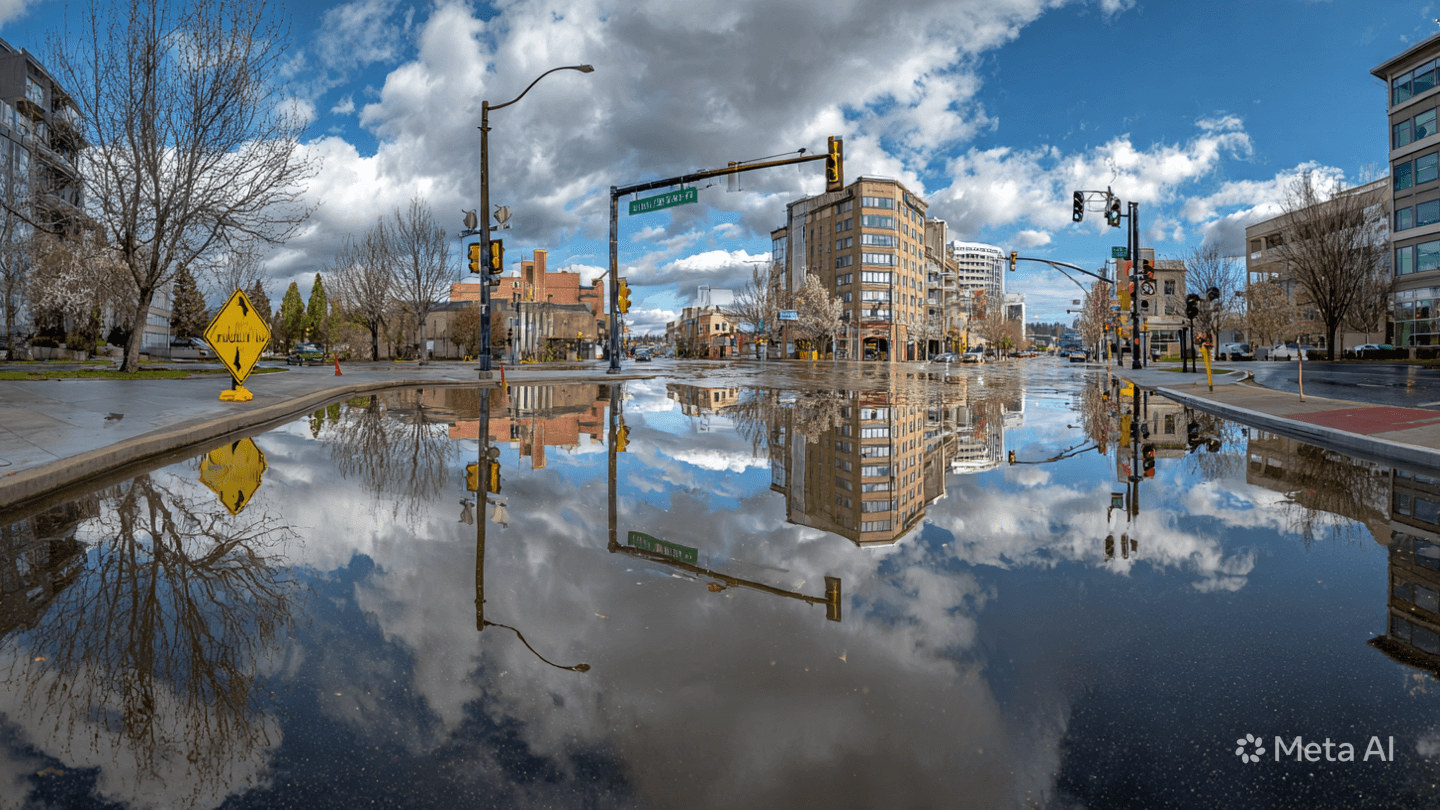
There is a rhythm to the seasons that the residents of Manila and Laguna have come to know intimately, a slow, inevitable encroaching of water that mirrors the pulse of the monsoon. As the skies darken and the deluge begins, the landscape undergoes a subtle but profound transformation. Streets become canals, and the boundary between the solid earth and the fluid tides thins until they are indistinguishable. It is a state of living in transition, where the horizon is defined not by architecture, but by the fluctuating level of the rising tide.
The current inundation of these regions is a reminder of the fragility inherent in such coastal and low-lying geographies. As the rains persist, the ground—already heavy with the weight of urban development—struggles to absorb the overflow. One witnesses the slow movement of vehicles through deep waters, the tricycles and commuters navigating paths that were once paved roads. It is a scene of quiet resignation, where the normalcy of daily life is tested by the elemental forces of nature, forcing a recalibration of how movement and commerce are perceived.
In these neighborhoods, the water is not merely a nuisance; it is a permanent neighbor. Over time, the architecture of these communities has adapted, with houses built on higher stilts and lives lived in the rhythm of the tide calendar. Yet, when the heavy rains combine with high water tables, even these adaptations feel insufficient. There is a sense of place being reclaimed by the elements, a narrative of resistance played out on every submerged block, where the simple act of traveling to school or work becomes a testament to the resilience of those who dwell here.
Government agencies and local disaster response teams are currently engaged in the task of monitoring these water levels and managing the flow of traffic. The focus is on ensuring that essential services remain operational despite the flooding, as officials work to clear blocked drainage systems and provide evacuation support for those in the most vulnerable sectors. It is a labor of coordination, relying on early warning systems to mitigate the impact of the rising water on the lives of millions.
The broader context of these floods touches upon the intersection of infrastructure, land subsidence, and the changing climate. It is not simply the rain that creates the hazard; it is the reality of a landscape that is shifting beneath the pressure of both human activity and natural forces. These events serve as a barometer for the city’s ability to manage its vulnerabilities, highlighting the urgent need for sustainable urban planning that respects the natural boundaries of the environment.
Current reports indicate that parts of Metro Manila and Laguna remain submerged as tropical weather disturbances continue to influence the region. PAGASA has issued advisories regarding the potential for further rain, and local governments have initiated proactive measures to manage the overflow. Search and rescue units remain on standby as officials monitor water levels in real-time, focusing on preventing damage to infrastructure and ensuring the safety of residents in the affected flood-prone barangays.
Published by Banx Network. This article is part of the Banx decentralized media programme, powered by the BXE token on the XRP Ledger.



