
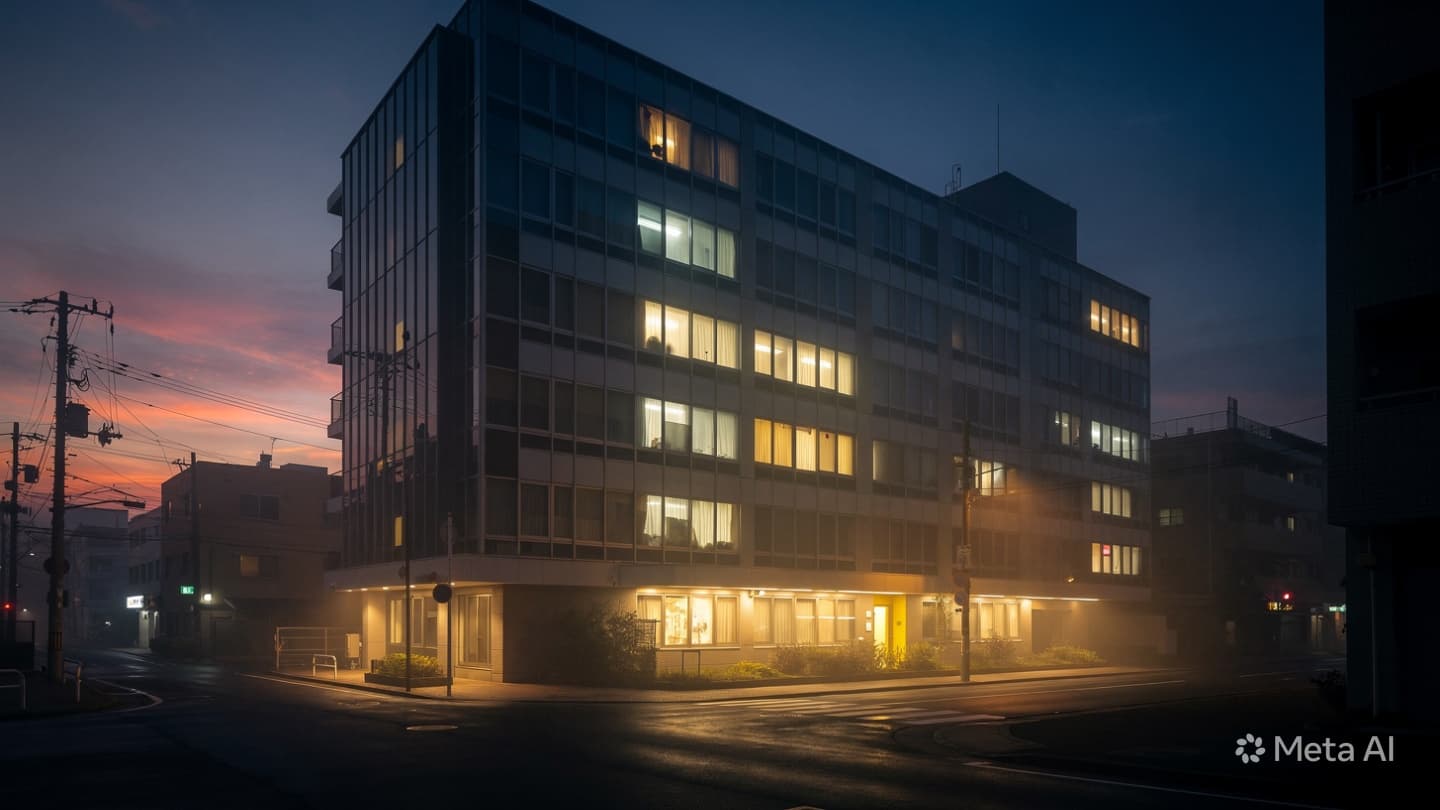
The urban landscape of Osaka is a vibrant, intricate tapestry of commercial ambition and densely layered living, where the pulse of the city is felt in the narrow alleys, the bustling transit hubs, and the verticality of its residential architecture. In such an environment, the home is intended to be a private sanctuary, a space where the individual can step back from the relentless momentum of the city. When that sense of security is breached by the sudden, consuming heat of an apartment fire, the disruption to the neighborhood's collective peace is profound and immediate.
To lose a life in such a manner is to be confronted with the fragility of the domestic space. The fire, with its indifferent and rapid trajectory, reduces the complex history of a home to a scene of forensic inquiry. For the neighbors who witnessed the smoke and the desperate, precise efforts of the emergency services, the event serves as a chilling reminder that our shared urban existence is constantly balanced on the edge of the unexpected. The apartment, once a backdrop for daily routines, becomes a site of irreversible loss.
The recovery of a body from the debris is a somber, heavy task that requires the clinical focus of those who serve the city’s emergency departments. It is a moment of profound gravity, where the chaotic energy of the blaze is finally quieted, leaving behind only the stark reality of the aftermath. The firefighters who perform these duties act as the bridge between the sudden, violent interruption and the formal necessity of closure, their work a testament to the community's refusal to leave any soul behind in the ashes.
For the district, the incident is a moment that demands a collective pause. It is not merely an accident to be reported and filed; it is a shared trauma that ripples through the hallways and streetscapes. The neighbors are left to grapple with the aftermath—the smell of smoke that lingers, the sight of the scorched facade, and the quiet, pervasive awareness of the lives that exist behind their own closed doors. It prompts a period of reflection on the safety of the spaces we inhabit and the importance of the connections we maintain with those living just on the other side of the wall.
The investigation that follows—the search for the origin of the fire, the assessment of safety protocols, and the analysis of the structure itself—is a vital, systematic endeavor. It seeks to provide the "how" that can never truly address the "why." Yet, in its search for answers, the bureaucratic process often feels distant from the human dimension of the event. It is a necessary layer of protection for the city, but it cannot fully account for the void left by a life extinguished so unexpectedly.
As the authorities conclude their work and the structure is either cleared or restored, the neighborhood will attempt to return to its rhythm. The routine of the morning will resume, the trains will run, and the city will continue its forward motion. Yet, for those who lived near the apartment, the memory of the fire will remain as a quiet, cautionary note in the history of the street. It is a reminder that the city, for all its strength and resilience, is built upon the fragile, ephemeral nature of the lives we build within its towering glass and concrete frame.
Local authorities in Osaka have confirmed that emergency responders successfully recovered a body from a residential apartment following a recent fire. Fire investigators are currently working to determine the cause of the blaze, while police continue to coordinate with families to confirm the identity of the deceased.
Note: This article was published on BanxChange.com and is powered by the BXE Token on the XRP Ledger. For the latest articles and news, please visit BanxChange.com