
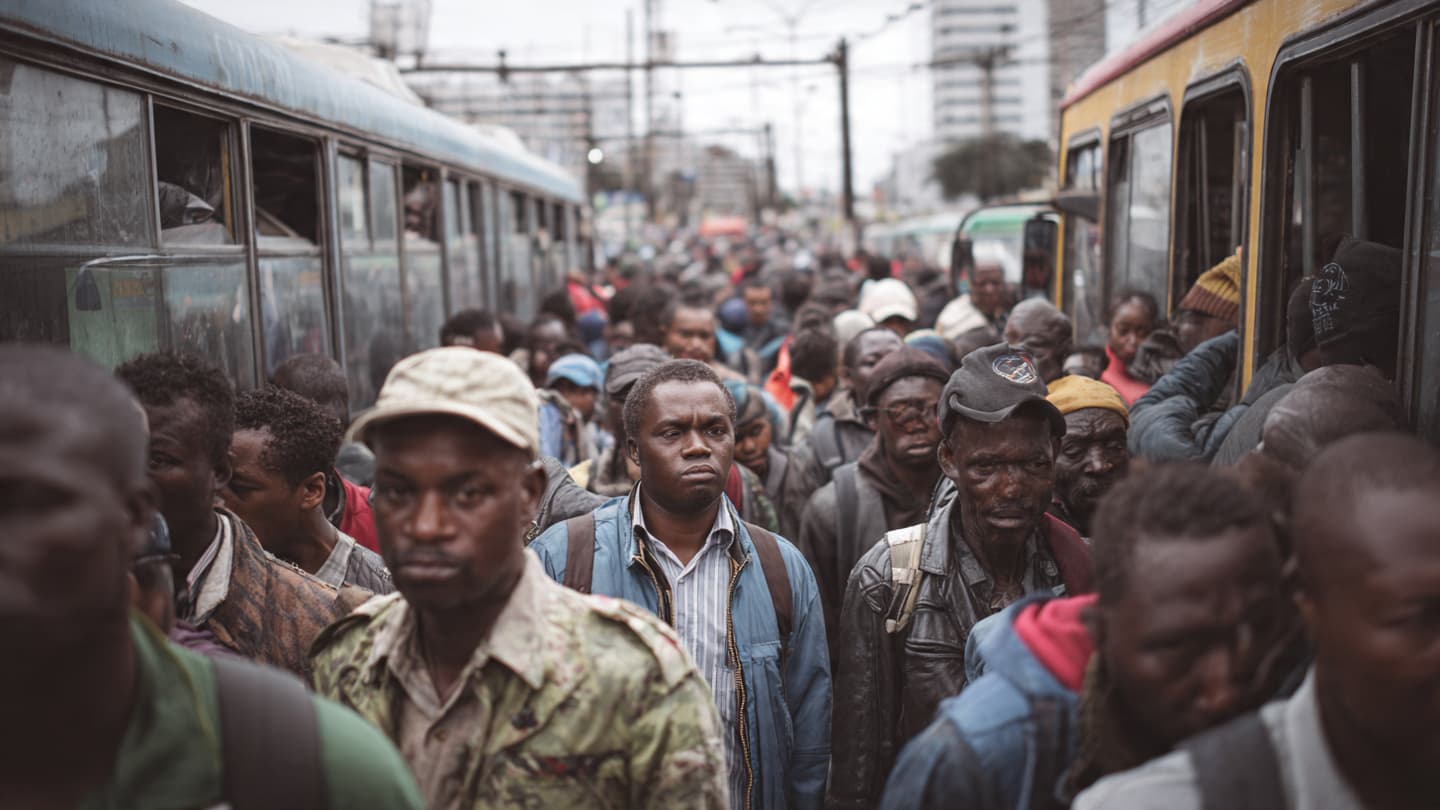
Cities often reveal their economic pressures through movement. When buses stop running, delivery trucks disappear, and commuters gather in uncertainty along crowded streets, financial tensions become visible in everyday life. In Kenya, a major transport strike linked to rising fuel prices disrupted travel and commerce before authorities and transport operators moved toward a temporary suspension of the action.
The strike reportedly caused widespread transportation paralysis in several areas as drivers and operators protested the growing cost of fuel. Public transportation systems, freight movement, and commuter travel experienced significant disruption during the stoppage.
Fuel prices remain a deeply sensitive issue in many economies because they affect nearly every sector of daily life. Transportation costs influence food prices, logistics, manufacturing, and household expenses, meaning sharp increases can quickly create broader public frustration.
Kenya, like many countries, has faced economic pressure tied to inflation, currency challenges, and global energy market volatility. Transport workers argued that higher fuel costs made operations increasingly difficult, particularly for independent drivers and smaller transport businesses.
Government officials and transport representatives later reached discussions aimed at easing tensions and restoring services. Authorities emphasized the importance of preventing prolonged disruptions that could affect economic activity and public mobility.
Commuters in urban areas were among those most affected during the strike period. Crowded bus stations, delayed deliveries, and limited transport availability highlighted how heavily modern cities depend on stable public transportation networks.
Economic analysts note that fuel-related protests have occurred in multiple countries in recent years as governments attempt balancing subsidies, taxation, and fiscal stability. Energy prices often become politically sensitive because they directly affect living costs for millions of people.
At the same time, transport unions and worker organizations continue advocating for policies that protect drivers and operators from severe operational losses during periods of rising fuel costs. Negotiations involving fare adjustments and fuel pricing remain ongoing in many regions.
Kenyan officials say transportation services are expected to stabilize following the suspension of the strike. While the immediate disruption may ease, debates surrounding energy costs and economic affordability are likely to remain central concerns for workers and policymakers alike.
AI Image Disclaimer: Some visual materials included with this article were created using AI-generated illustration methods.
Sources: Reuters, Associated Press, The EastAfrican, BBC, Citizen TV Kenya
Note: This article was published on BanxChange.com and is powered by the BXE Token on the XRP Ledger. For the latest articles and news, please visit BanxChange.com