A decade ago, gravitational waves were like faint ripples imagined on a distant lake. Today, they have become a steady current of information flowing through modern astronomy. What began as a remarkable confirmation of a prediction made by Albert Einstein has evolved into a thriving scientific discipline that is reshaping humanity’s understanding of the universe.
The first direct detection of gravitational waves in 2015 marked a historic milestone. Scientists observed distortions in spacetime generated by the merger of two black holes, opening a new way to study cosmic events that were previously invisible to traditional telescopes.
Since then, the field has expanded dramatically. According to recent reports, researchers have now confirmed hundreds of gravitational-wave events through the combined efforts of the LIGO, Virgo, and KAGRA collaborations. These observations provide a growing catalog of black holes and neutron stars across the universe.
The increasing number of detections has transformed gravitational-wave astronomy from an experimental endeavor into a productive observational science. Events are now observed frequently enough to allow population studies, comparisons, and increasingly precise measurements of astrophysical phenomena.
Scientists have used these signals to investigate the properties of black holes, test predictions of general relativity, and study the behavior of matter under extreme conditions. Each detection contributes another piece to a larger cosmic puzzle.
The field has also benefited from the rise of multi-messenger astronomy. In some cases, gravitational-wave detections are accompanied by electromagnetic observations, allowing researchers to combine different sources of information into a more complete picture of energetic cosmic events.
Recent catalogs have revealed increasingly complex systems, including evidence of black holes that may have formed through previous mergers before colliding again. Such findings demonstrate the growing sophistication of both observational techniques and theoretical models.
Looking ahead, future detectors promise even greater sensitivity. Researchers anticipate observing more distant events, detecting weaker signals, and expanding gravitational-wave studies into entirely new areas of astrophysics and cosmology.
Ten years after its first major success, gravitational-wave astronomy has established itself as a mature and influential branch of science. What once seemed like a difficult experimental challenge now serves as a powerful tool for exploring some of the universe’s most extreme and fascinating phenomena.
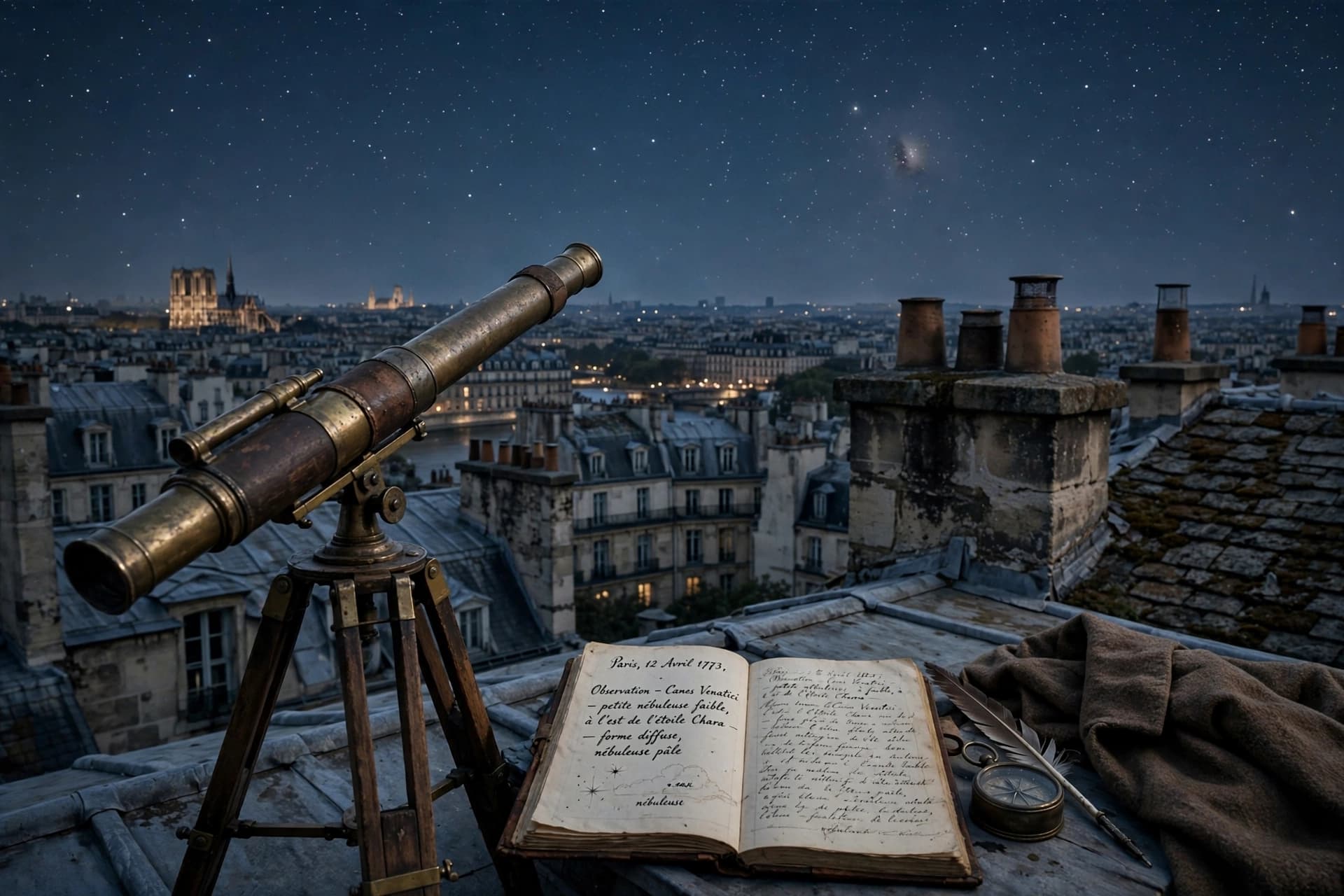
AI Image Disclaimer: The images used with this article are AI-generated illustrations created to visually represent scientific concepts discussed in the story.
Sources Verified:
Big Think Nature Nature Astronomy LIGO-Virgo-KAGRA research coverage Oxford Academic
Published by Banx Network. This article is part of the Banx decentralized media programme, powered by the BXE token on the XRP Ledger.