Mountain passes are more than just roads; they are lifelines connecting remote communities to the resources and services of the wider world. In the Blue Mountains of New South Wales, the closure of Victoria Pass has severed this vital link, casting a long shadow over daily life. For residents, including healthcare workers, students, and business owners, the detour is not merely an inconvenience but a profound disruption. Nurses are sleeping in campgrounds to be near their hospitals, shops are closing due to lack of access, and children face hours-long bus rides. It is a testament to the fragility of infrastructure and the resilience of those who call these rugged landscapes home.
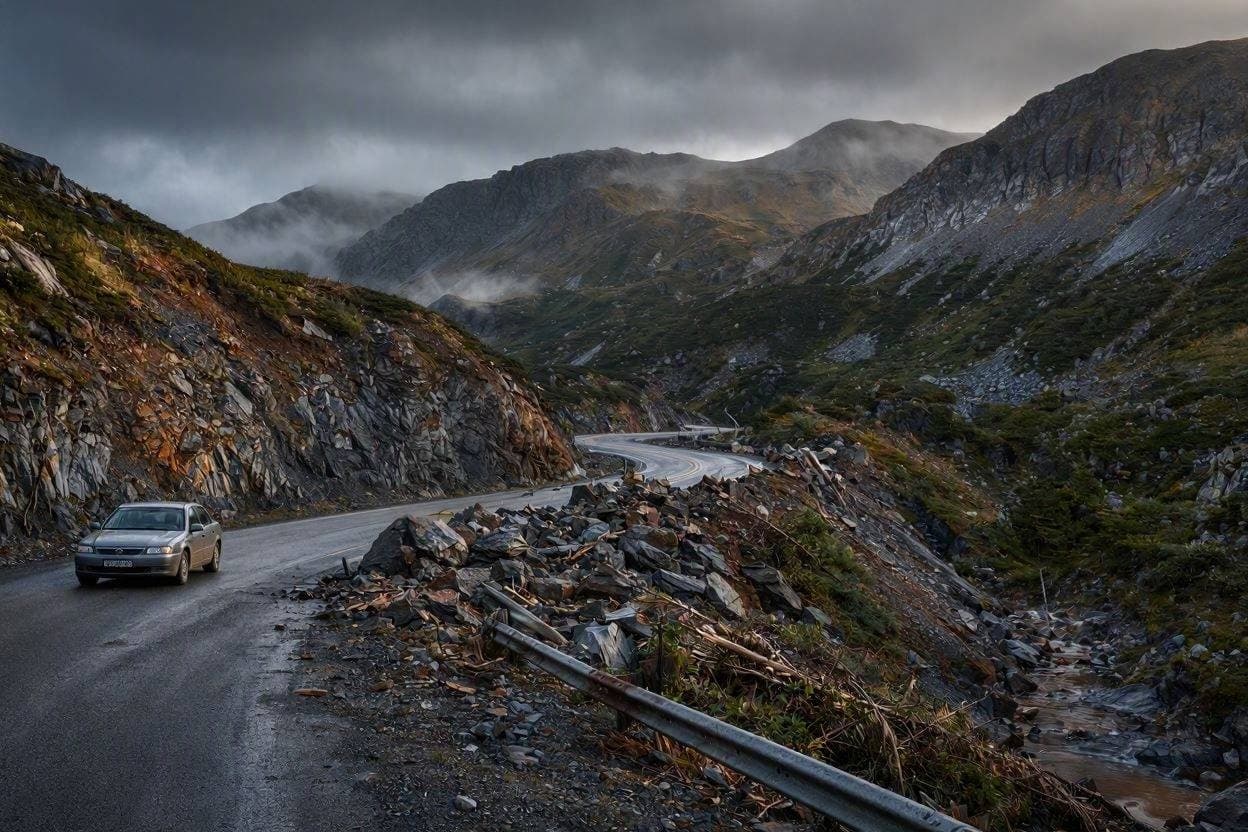
Victoria Pass, a steep and winding section of the Great Western Highway, is prone to landslides and rockfalls, especially after heavy rain. Its closure forces traffic onto alternative routes that add significant time and distance to journeys. For emergency services and essential workers, this delay can be critical. Nurses, unable to commute reliably, have resorted to staying in temporary accommodations near their workplaces. This arrangement, while practical, highlights the strain placed on the healthcare system and its staff.
Local businesses are feeling the pinch as customer foot traffic dwindles. Tourists, deterred by the travel difficulties, are bypassing the region, leading to reduced revenue for cafes, shops, and attractions. Some establishments have been forced to shut temporarily or permanently, impacting local employment and economic vitality. The community’s economic heartbeat slows with each day the pass remains closed, raising concerns about long-term sustainability.
Education is another sector deeply affected. School buses now take circuitous routes, extending travel times to two hours or more for some students. This exhaustion impacts learning and well-being, placing additional stress on families who must adjust their schedules. The right to education should not be compromised by infrastructure failures, yet here it is, tested by the geography of the mountains.
Community spirit, however, remains strong. Residents are supporting each other, sharing resources and information. Local groups are advocating for faster repairs and better maintenance protocols, urging government agencies to prioritize the region’s needs. Their voices are a chorus of determination, demanding that their connectivity be restored. The closure has united them in a common cause, strengthening social bonds.
Government officials have acknowledged the severity of the situation, promising accelerated repair works. Engineers are working around the clock to stabilize the slope and reopen the pass safely. While progress is being made, the timeline remains uncertain, leaving residents in a state of limbo. The hope is for a swift resolution that restores normalcy and security.
The closure of Victoria Pass is a significant challenge for the Blue Mountains community. As repairs continue, the resilience of residents shines through. The hope is for a durable solution that ensures reliable access and supports the vibrant life of the mountains.
AI Image Disclaimer: The images provided are AI-generated to visually represent the geographical and communal aspects of the story.
Sources: ABC News Sydney The Guardian Blue Mountains Gazette
Note: This article was published on BanxChange.com and is powered by the BXE Token on the XRP Ledger. For the latest articles and news, please visit BanxChange.com