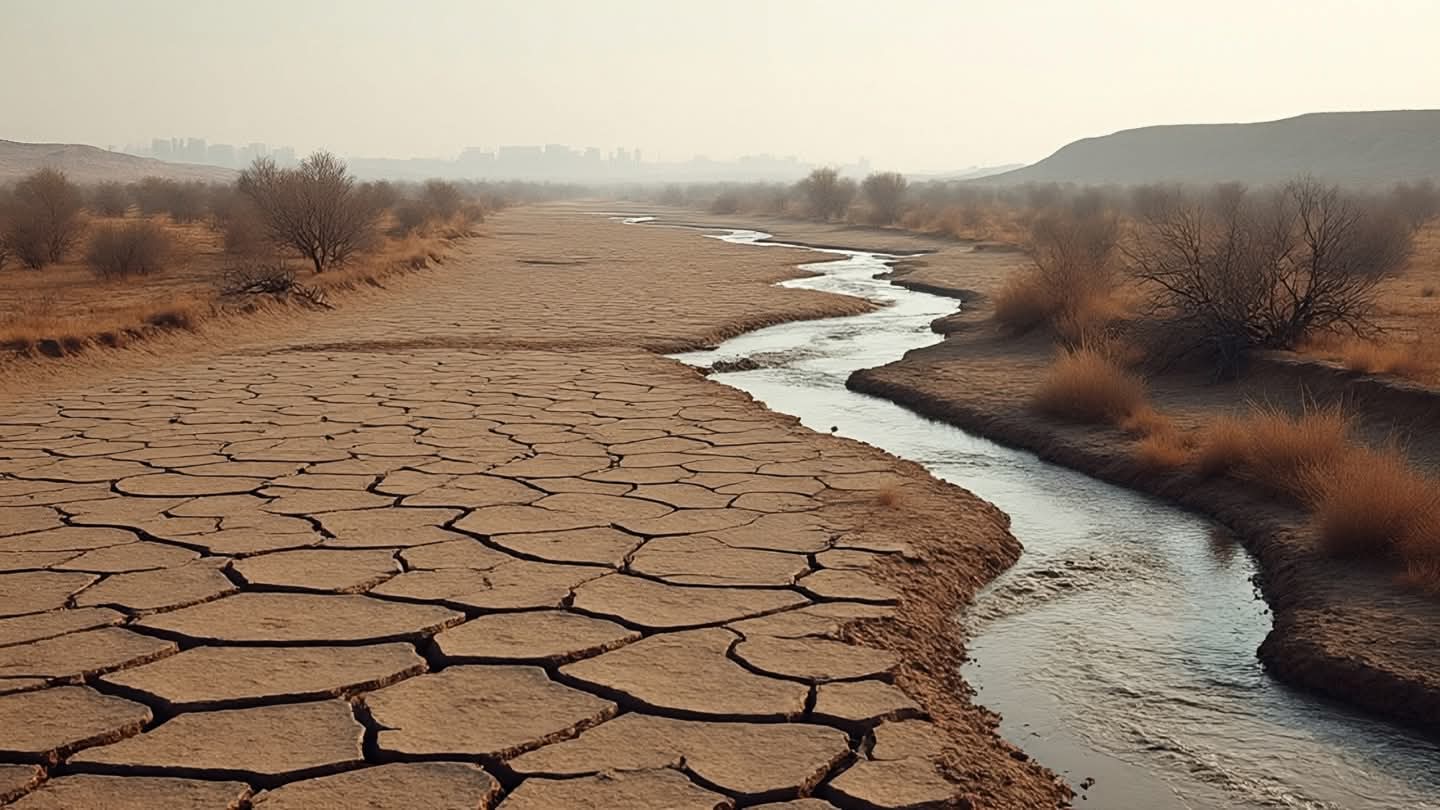
In the shimmering heat of the American Southwest, where cities rise like mirages from the arid earth, a quiet crisis is reshaping the future of urban life. The Colorado River, the lifeblood for millions in states like Arizona, Nevada, and California, is receding under the weight of prolonged drought and overuse. As federal authorities implement new frameworks to manage this dwindling resource, desert metropolises such as Las Vegas and Phoenix find themselves on a precarious short list of communities facing significant water cuts. This is not merely a logistical adjustment but a profound reckoning with the limits of growth in an increasingly thirsty landscape.
The recent federal plan mandates deep reductions in water usage for the Lower Basin states, aiming to stabilize the river’s declining levels. Arizona is set to bear the brunt of these cuts, losing approximately 31% of its Colorado River allocation over the next two years. Nevada and California will also face substantial reductions, forcing municipalities to rethink their reliance on this single, stressed source. For cities built on the promise of unlimited expansion, the reality of scarcity demands a rapid and painful adaptation.
Las Vegas, long celebrated for its conservation efforts, has managed to reduce per capita water use even as its population grows. Yet, the city remains vulnerable to the broader systemic failures of the river basin. Officials have accelerated plans to tap into alternative sources, including groundwater and recycled water, but these measures offer only partial relief. The psychological impact of knowing that the fountain of prosperity may run dry weighs heavily on residents and planners alike.
Phoenix, meanwhile, faces a more immediate threat. Some suburbs have already halted new construction due to insufficient groundwater supplies, a stark warning of what may come for the wider region. The city’s reliance on the Central Arizona Project, which draws directly from the Colorado River, places it at the forefront of the crisis. As the river’s flow diminishes, the gap between supply and demand widens, threatening the very viability of large-scale urban living in the desert.
The human element of this crisis cannot be overlooked. Farmers, who consume the majority of the river’s water, are being asked to fallow fields and sacrifice livelihoods for the sake of urban survival. This tension between agricultural heritage and municipal necessity creates a complex web of social and economic challenges. Communities are forced to negotiate not just for water, but for their identity and future in a changing climate.
Experts warn that these cuts are just the beginning. Climate models predict that the region will become hotter and drier, further straining the river’s capacity to support current populations. Long-term solutions require not only technological innovation but a cultural shift in how water is valued and used. The era of abundant, cheap water in the Southwest appears to be coming to an end, replaced by a new ethic of conservation and restraint.
As the dust settles on these policy decisions, the focus shifts to implementation. States must work together to enforce restrictions and invest in infrastructure that can withstand the pressures of a warming world. The success or failure of these efforts will determine whether the desert metropolises can survive or if they will become cautionary tales of hubris and neglect.
The challenge facing America’s desert cities is a testament to the fragility of human ingenuity against natural limits. As water becomes scarcer, the choices made today will define the landscape of tomorrow. The hope remains that through cooperation and innovation, these communities can adapt and thrive, even in the face of unprecedented environmental change.
AI Image Disclaimer: Please note that any accompanying visuals for this article are AI-generated representations intended for illustrative purposes only.
Sources: CNN The Guardian ABC15 TriplePundit
Note: This article was published on BanxChange.com and is powered by the BXE Token on the XRP Ledger. For the latest articles and news, please visit BanxChange.com