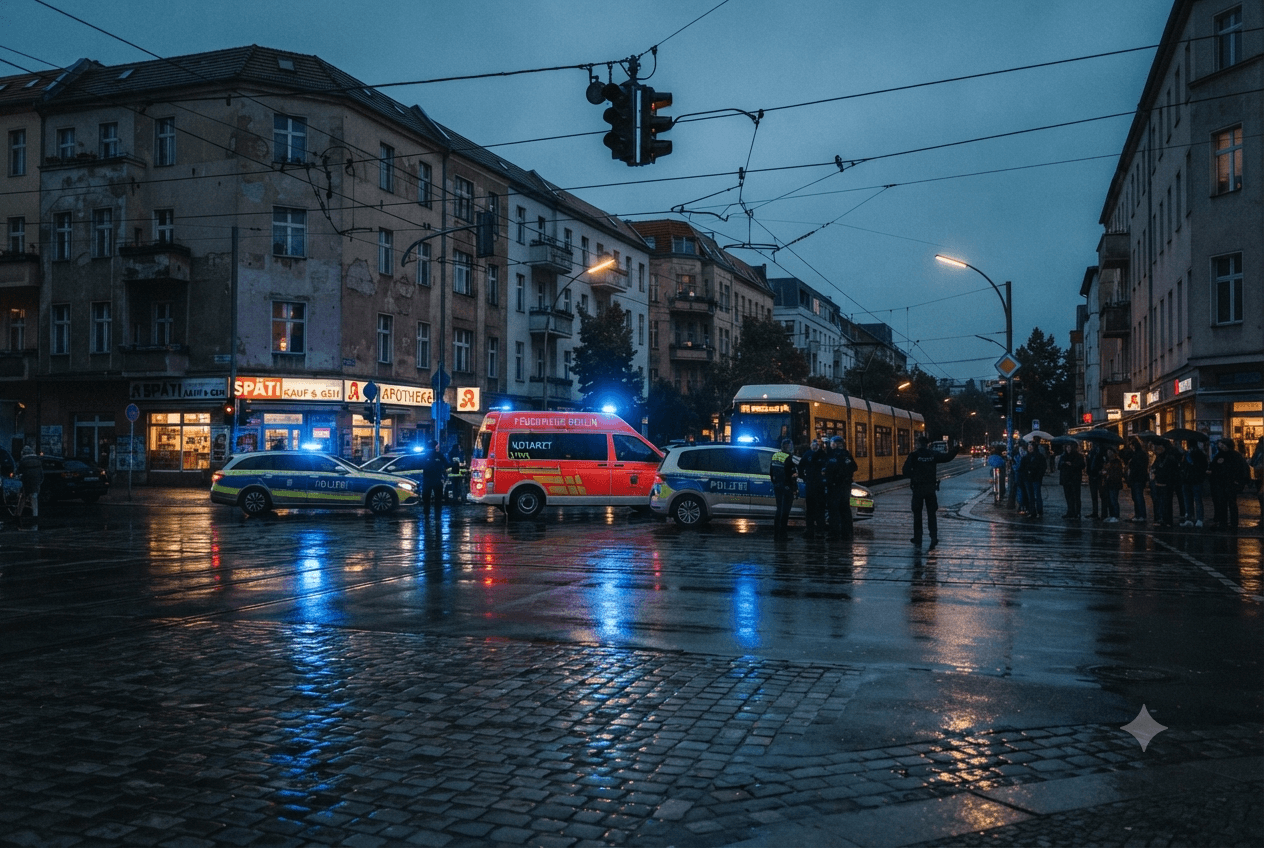
Berlin, Germany—The lights went out across the capital district at precisely 6:14 PM, leaving over two million residents in sudden, absolute darkness as the primary transformer station in Moabit exploded. Sirens started wailing almost instantly, bouncing off concrete office blocks while traffic lights blinked dead at major intersections. Commuters stranded in the underground subway network groped their way toward emergency exits using smartphone flashlights. Municipal authorities activated backup diesel generators at municipal hospitals within minutes, but nursing staff reported immediate pressure on critical care units. Utility operators confirmed that three separate high-voltage lines failed simultaneously due to overheating circuits.
City officials refused to answer early press inquiries regarding the state of emergency protocols, citing ongoing technical assessments inside the scorched substation. Emergency dispatchers logged over four thousand calls within the first forty minutes, jamming telephone lines across the greater metropolitan area. Police patrols increased presence near commercial districts to deter opportunistic looting while security gates remained permanently jammed without current. Local businesses braced for catastrophic inventory losses in commercial refrigeration units as ambient temperatures hovered near thirty degrees Celsius. Transit police sealed off all central underground stations to prevent stampedes among stranded evening crowds.
Federal energy regulators held an emergency closed-door conference late into the evening to determine the root cause of the simultaneous line failures. Internal ministry memos leaked to reporters earlier in the week had already warned about chronic underfunding for urban grid maintenance programs. Engineers on site described a cascading series of short circuits that completely overwhelmed the automated load-shedding safeguards designed to protect regional substations. Technicians spent hours waiting for cooling towers to drop to safe working temperatures before entering the blast zone. Utility executives maintained that standard maintenance schedules had been strictly followed despite mounting evidence of deferred equipment upgrades.
Fire brigades battled localized electrical fires burning inside underground cable tunnels beneath Friedrichstrasse for more than three hours. Thick black smoke billowed from ventilation grates, forcing pedestrians to cover their faces with handkerchiefs and clothing layers. Paramedics treated dozens of people for smoke inhalation and heat exhaustion right on the pavement outside cordoned-off zones. Public transit networks ground to a permanent halt, stranding regional commuter trains miles outside the central station platform areas. Passengers pried open carriage windows to let in fresh air as cabin ventilation systems shut down entirely.
Municipal water pumps lost electrical power simultaneously with the grid collapse, threatening pressure levels across residential high-rise districts. City waterworks officials urged residents to store tap water immediately before underground reservoirs ran dry completely. Supermarkets closed their metal shutters as cash registers failed and emergency backup batteries drained out. Queues formed outside neighborhood pharmacies as people attempted to secure essential medications dependent on refrigeration. Cell phone towers began switching over to auxiliary battery backups, causing immediate network congestion and dropped connection rates.
Federal police deployed tactical units to secure government ministry buildings in the central administrative district throughout the night. Senior cabinet members convened at the chancellery to review classified threat assessments regarding potential systemic sabotage. Intelligence agencies stated they had found no immediate evidence of a coordinated cyberattack targeting the transmission infrastructure. Investigators focused primarily on decades of deferred maintenance and overloaded transformers pushed beyond safe operating limits. Independent electrical engineers pointed out that warning signs had accumulated for months without any meaningful corrective capital investment.
Municipal authorities announced that full restoration of the electrical grid would take at least forty-eight hours of continuous repair work. Repair crews from neighboring federal states were mobilized and dispatched toward the capital with heavy replacement transformer units. Public transport operators warned that underground rail services would remain suspended well into the following morning peak commute hours. Hospitals cancelled all elective surgical procedures to preserve sterile equipment and water supplies for acute trauma cases. Mayor Franziska Giffey scheduled an urgent press briefing for dawn to address mounting public panic and frustration.
The night sky above the capital remained entirely dark, stripped of the usual amber glow cast by massive commercial advertising facades. Residents gathered on balconies with transistor radios pressed to their ears to catch fragmented updates broadcast on emergency frequencies. Downtown streets belonged entirely to patrolling squad cars and emergency vehicles navigating by flashing blue lights alone. Utility technicians continued welding replacement high-voltage cables inside cramped underground vaults beneath the city center. Power restoration efforts remained stalled as engineers encountered unexpected structural damage inside the primary distribution network hubs.
Note: This article was published on BanxChange.com and is powered by the BXE Token on the XRP Ledger. For the latest articles and news, please visit BanxChange.com
.jpg&w=3840&q=75 "Two Dead After Firefighting Helicopters Collide Near Athens as French Blaze Shifts")