
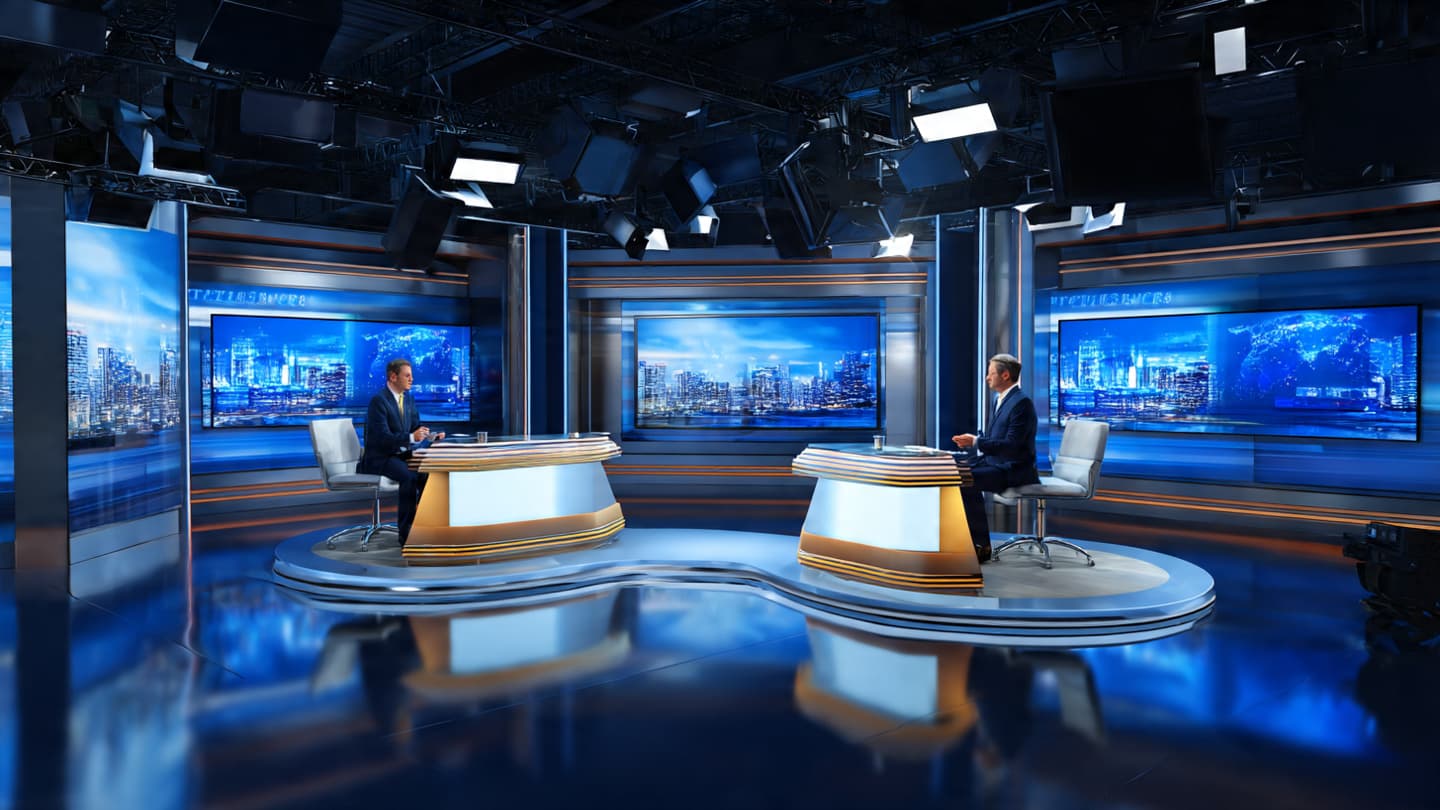
Political interviews can sometimes resemble a bridge stretched across a fast-moving river. One side seeks answers, the other seeks to explain its position, and the strength of the exchange often depends on whether both remain willing to continue the journey. During a recent appearance on NBC's Meet the Press, that bridge became increasingly difficult to cross as tensions rose between President Donald Trump and moderator Kristen Welker.
The interview focused on several major issues, including foreign policy, election integrity claims, and a proposed "anti-weaponization" compensation fund. As the discussion progressed, Welker repeatedly pressed Trump to provide evidence supporting his longstanding assertions that the 2020 election had been rigged.
According to reports, the exchange grew increasingly confrontational when Welker challenged Trump's statements and sought clarification regarding claims that have been repeatedly disputed by courts and election officials. Trump responded by criticizing NBC and accusing the network of political bias.
The conversation eventually reached a breaking point. Trump characterized NBC as a "one-sided crooked network" and abruptly ended the interview before all planned topics had been completed. Welker attempted to continue the discussion, but the interview concluded earlier than expected.
Beyond election-related questions, the interview also touched on foreign policy issues, including U.S. relations with Iran and broader national security concerns. These topics briefly shared attention before the dispute over election claims became the dominant focus.
The incident quickly generated discussion across political circles and media organizations. Supporters and critics of the president interpreted the exchange through different lenses, reflecting the highly polarized environment that continues to shape American political discourse.
Media analysts noted that fact-checking and evidence-based questioning have become increasingly central to high-profile political interviews. At the same time, such approaches can intensify confrontations when participants fundamentally disagree about the underlying facts being discussed.
The exchange also highlighted the continuing role of election-related debates in American politics, even years after the 2020 presidential contest. Questions surrounding trust, institutions, and political communication remain significant themes in public debate.
Despite the abrupt conclusion, reports indicated that Trump later agreed to participate in a future interview. For now, the encounter stands as another example of the tense relationship that can emerge when political leaders and journalists confront disputed claims in a highly visible public setting.
AI Image Disclaimer: The visual accompanying this article is AI-generated and intended only as a conceptual illustration of a political interview setting.
Sources Verified: NBC News, Axios, Associated Press, New York Post
Note: This article was published on BanxChange.com and is powered by the BXE Token on the XRP Ledger. For the latest articles and news, please visit BanxChange.com