
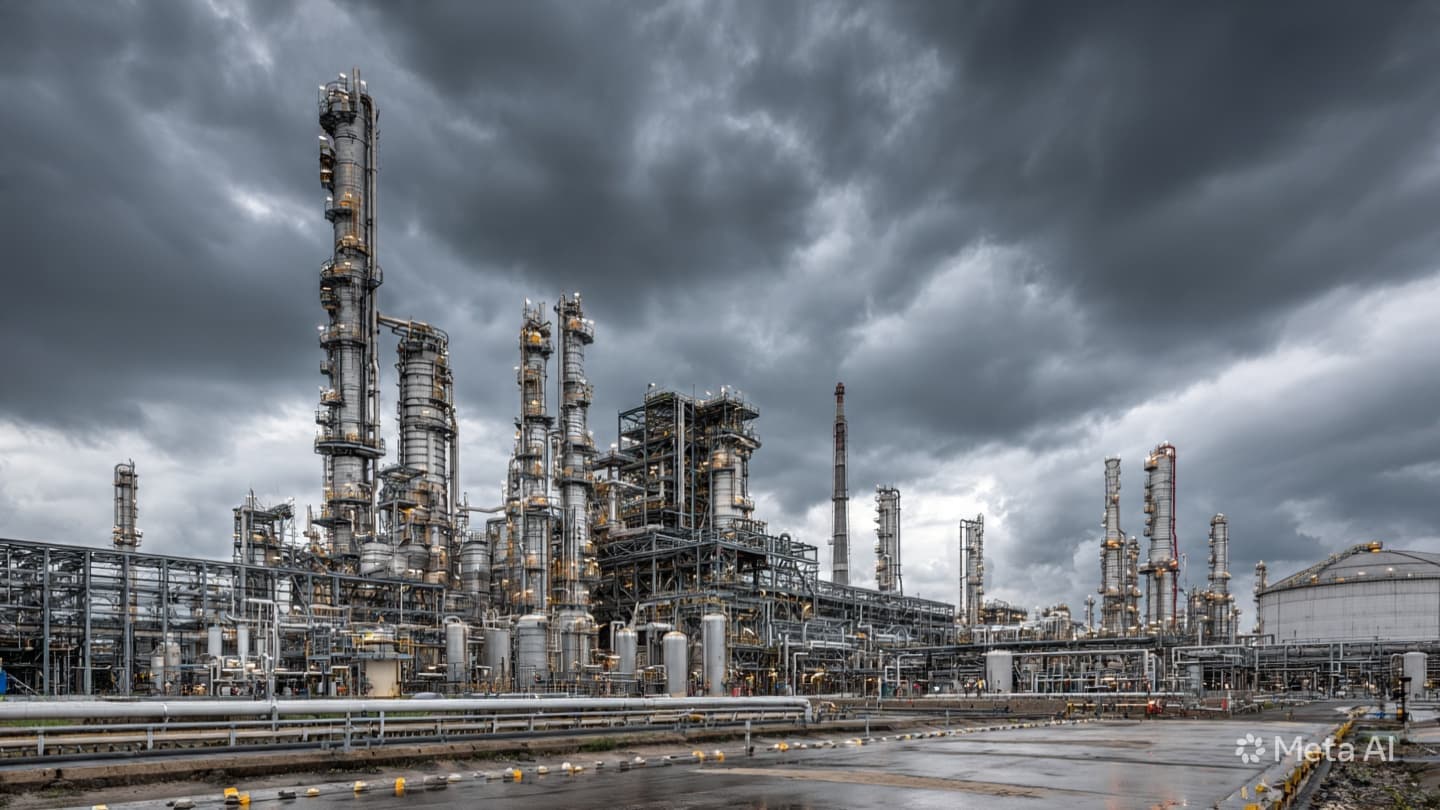
The industrial landscapes of Ulsan are a testament to the scale of human endeavor, a sprawling network of steel, steam, and ambition that powers the heartbeat of the nation. For those who walk the grounds of these petrochemical plants, the environment is defined by its precision and its complexity. Every process is engineered for efficiency, and every system is intended to function with a seamless, predictable rhythm. Yet, even in such highly managed environments, there exists an inherent, silent potential for the unexpected to unfold.
When a chemical leak occurs, it is not just a breach of safety; it is an intrusion into the order we have meticulously constructed. The sudden presence of gas, a substance that is at once invisible and deeply felt, alters the atmosphere of the entire site. For the workers who encounter the vapors, the shift is visceral, a movement from the routine duties of the day to a state of heightened alarm and the necessity of evacuation. It is a moment where the mastery of technology feels suddenly diminished.
The emergency response that follows is a study in controlled action. Personnel move with the urgency of a practiced system, their focus narrowed to the containment of the breach and the immediate well-being of those affected. In the Ulsan plant, the coordination of rescue and safety teams was an effort to restore that lost order, to pull the situation back from the edge of catastrophe. Their work is the silent, essential anchor that keeps these high-stakes environments from unraveling in the face of chemical instability.
To reflect on such an event is to consider the duality of our dependence on industry. We rely on these facilities for the materials that build our world, yet we are constantly reminded of the hazards they present to the very people who maintain them. The hospitalized workers are the most immediate consequence of this tension, a reminder that the human element is always the most vulnerable part of the machinery. Their recovery becomes the priority, a collective focus that transcends the technical aspects of the leak itself.
These industrial incidents inevitably prompt a wider inquiry into the resilience of our safety protocols. We look to the investigators to decipher the sequence of events, to understand whether the failure was one of design, maintenance, or simple unpredictability. It is a necessary, if difficult, dialogue that seeks to refine our relationship with the substances we process. The goal is not merely to fix the immediate breach, but to understand the vulnerabilities that allowed it to occur in the first place.
The atmosphere in the aftermath is marked by a somber quiet, a reflection on the risks that are accepted as a cost of progress. There is a sense of communal concern for those affected, a recognition of the shared duty we hold to ensure that the work performed in these plants is as safe as it can possibly be. This consciousness is a vital component of industrial life, a reminder that the health of the workers is the true metric of success for any facility.
As the operations gradually resume, the memory of the leak remains, lingering in the consciousness of the site like the scent of the chemicals themselves. It serves as a caution, a baseline for future efforts to improve safety standards and awareness. The industrial heart of Ulsan continues to beat, but it does so with a heightened vigilance, a recognition of the delicate balance between the power of production and the necessity of protection for every individual on the ground.
The ongoing inquiry into the incident will continue to unfold, with experts assessing the mechanical logs and environmental impact. The lessons learned from this event will be folded into the existing frameworks of safety, ensuring that the same risks are mitigated in the future. It is a slow, methodical process that underscores the commitment to safety in an industry where there is no room for error. The recovery of the workers remains the primary focus of the community as the plant moves toward normal operations.
Local emergency services and corporate safety officials are continuing their investigation into the cause of the toxic chemical gas leak that occurred at the Ulsan petrochemical facility. Four workers who were exposed to the vapors were transported to a nearby medical center for treatment and are reported to be in stable condition. The plant operations in the affected sector have been suspended while a comprehensive inspection of all storage tanks and pipelines is performed to prevent further occurrences of such hazardous leaks.
Note: This article was published on BanxChange.com and is powered by the BXE Token on the XRP Ledger. For the latest articles and news, please visit BanxChange.com