
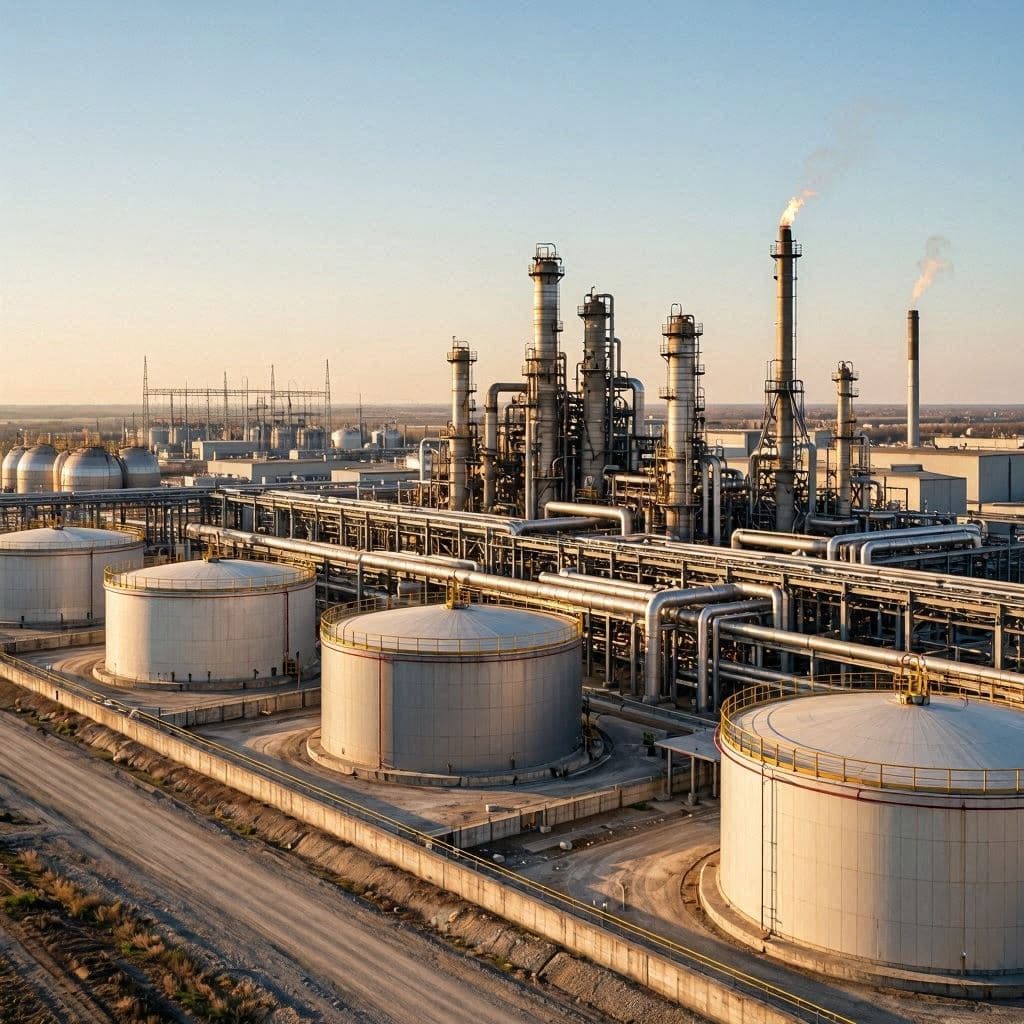
In the vast expanse of Russia, where distances are measured in days and the climate demands resilience, fuel is more than a commodity; it is the lifeblood of connectivity and commerce. Recently, President Vladimir Putin signed a series of tax amendments designed to stabilize this vital resource within domestic borders. The move comes at a time when the nation’s energy infrastructure faces unprecedented challenges, from external pressures to internal logistical hurdles. This legislative adjustment is not merely a technical tweak but a strategic effort to ensure that the wheels of the economy continue to turn smoothly, reflecting a government’s prioritization of internal stability amidst a complex global landscape.
Body: The new amendments focus on incentivizing refineries to prioritize the domestic market over exports. By adjusting the tax burden and introducing specific subsidies, the government aims to make it more financially attractive for producers to supply gasoline and diesel to Russian consumers. This shift addresses growing concerns about fuel shortages, which have been exacerbated by recent disruptions to refining capacity. The measures include provisions for blending lower-quality fuel to boost immediate supply and subsidies for imports pegged to international benchmarks, such as Indian delivery costs.
These changes are a response to the tangible impacts of ongoing conflicts, which have targeted key industrial facilities. Drone attacks on oil refineries have reduced processing capacity, creating bottlenecks in the supply chain. The tax amendments serve as a buffer, allowing the industry to adapt by importing finished products or utilizing alternative sources while domestic repairs are underway. This flexibility is crucial for maintaining the flow of goods and services across the country’s vast territory.
For the average citizen, the implications are direct. Stable fuel prices and availability are essential for daily life, from commuting to heating homes during harsh winters. The government’s intervention seeks to prevent price spikes and ensure that essential services remain operational. While the global energy market fluctuates, the aim is to create a shield for the domestic economy, insulating it from the most severe shocks of external volatility.
Critics may argue that such interventions distort market mechanisms, but proponents view them as necessary safeguards in extraordinary times. The balance between free-market principles and state intervention is delicate, especially in a sector as strategic as energy. By using fiscal tools rather than direct mandates, the government attempts to guide behavior through economic incentives, allowing companies some autonomy while steering them toward national priorities.
The international dimension of these amendments is also significant. By linking import subsidies to prices in markets like India, Russia acknowledges its shifting trade relationships. As traditional Western markets become less accessible, new partnerships in Asia and elsewhere become increasingly important. This reorientation of trade flows is reflected in the tax code, demonstrating how domestic policy is intertwined with geopolitical realities.
Implementation of these changes will require close monitoring. Refineries must adjust their operations, and logistics networks must adapt to new patterns of supply and demand. The success of the amendments will depend on the efficiency of these adjustments and the ability of the state to manage any unintended consequences. It is a test of administrative capacity and economic resilience.
As the summer progresses, the effects of these tax changes will become clearer. For now, they represent a proactive step toward securing energy independence and stability. The signing of the law is a signal that the government is attentive to the needs of its industries and citizens, seeking to maintain equilibrium in a turbulent environment.
Closing: President Putin’s signing of tax amendments to boost domestic fuel supply highlights the government’s focus on economic stability. By incentivizing local production and facilitating imports, the measures aim to mitigate shortages and ensure consistent energy availability. This legislative action underscores the importance of adaptive policy in maintaining national resilience.
AI Image Disclaimer: Please note that the visual illustrations accompanying this article are AI-generated representations intended to contextualize the discussion on energy policy and economics.
Sources: Reuters Bloomberg Devdiscourse QCIntel
Note: This article was published on BanxChange.com and is powered by the BXE Token on the XRP Ledger. For the latest articles and news, please visit BanxChange.com