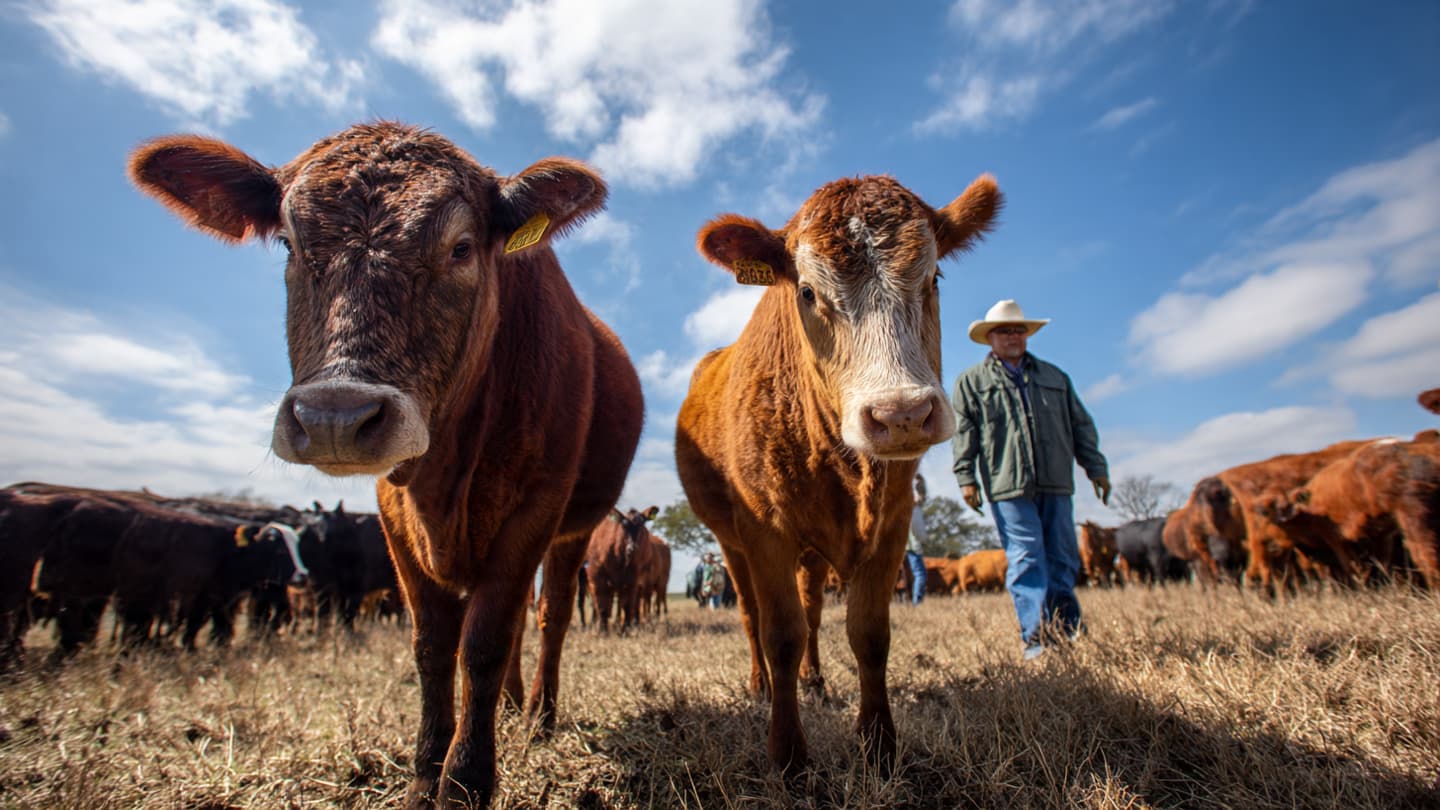
Agriculture often depends on a delicate balance between productivity and protection. Farmers, ranchers, veterinarians, and public agencies work together to monitor threats that may affect livestock, wildlife, and food systems. When an animal health concern emerges, rapid action can become as important as the treatment itself.
Officials have reported that confirmed cases of New World screwworm in Texas have risen to ten, prompting the establishment of additional quarantine zones aimed at limiting further spread. The measures are part of a broader effort to protect livestock and support disease-control operations.
The New World screwworm is a parasitic fly whose larvae can infest warm-blooded animals by entering open wounds. Unlike many other fly species, the larvae feed on living tissue, making infestations a serious concern for animal health and agricultural industries.
Veterinary authorities have emphasized the importance of surveillance and early detection. Ranchers, animal health professionals, and wildlife officials are being encouraged to report suspected cases promptly so that containment measures can be implemented efficiently.
Quarantine zones are commonly used during animal health incidents to reduce movement risks and allow officials to monitor affected areas more closely. Such measures can help prevent wider distribution of pests or diseases while supporting investigation efforts.
The United States has previously undertaken major eradication campaigns against screwworm infestations. Those efforts relied on extensive monitoring, coordinated response strategies, and scientific programs designed to suppress pest populations.
Agricultural experts note that livestock health plays a significant role in regional economies. Protecting cattle, sheep, and other animals from parasitic threats helps support food production, animal welfare, and economic stability in farming communities.
State and federal agencies continue working together to evaluate the situation. Ongoing surveillance efforts will help determine whether additional control measures are needed in the coming weeks.
As quarantine zones remain in place, officials are encouraging vigilance among livestock owners and animal health professionals. Continued monitoring and cooperation are expected to remain central to efforts aimed at limiting the spread of the pest.
AI Image Disclaimer: Illustrative imagery used with this report may include AI-generated visuals created for educational purposes.
Source Verification Check: U.S. Department of Agriculture, Texas Animal Health Commission, Reuters, Associated Press, Veterinary Journals
Published by Banx Network. This article is part of the Banx decentralized media programme, powered by the BXE token on the XRP Ledger.