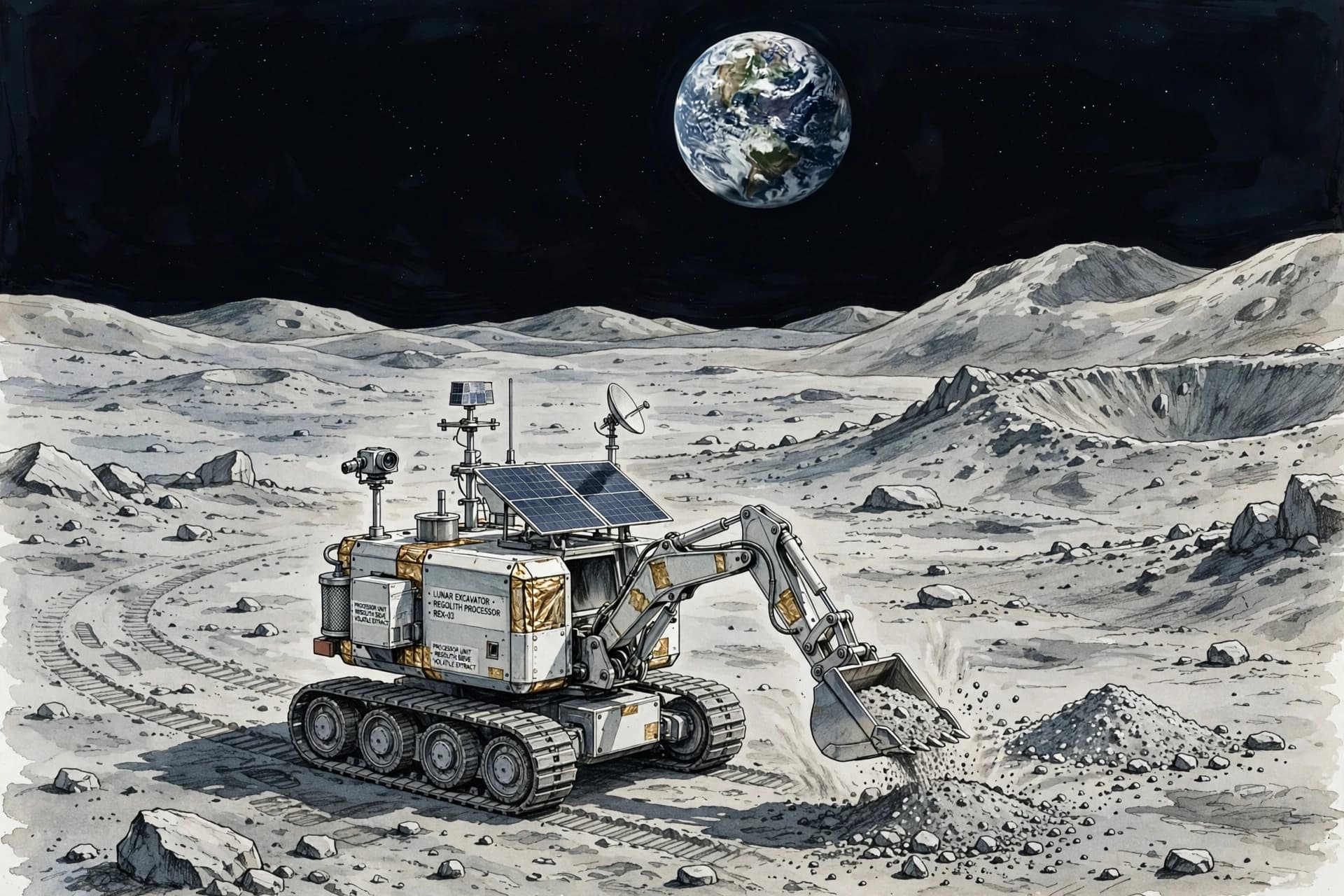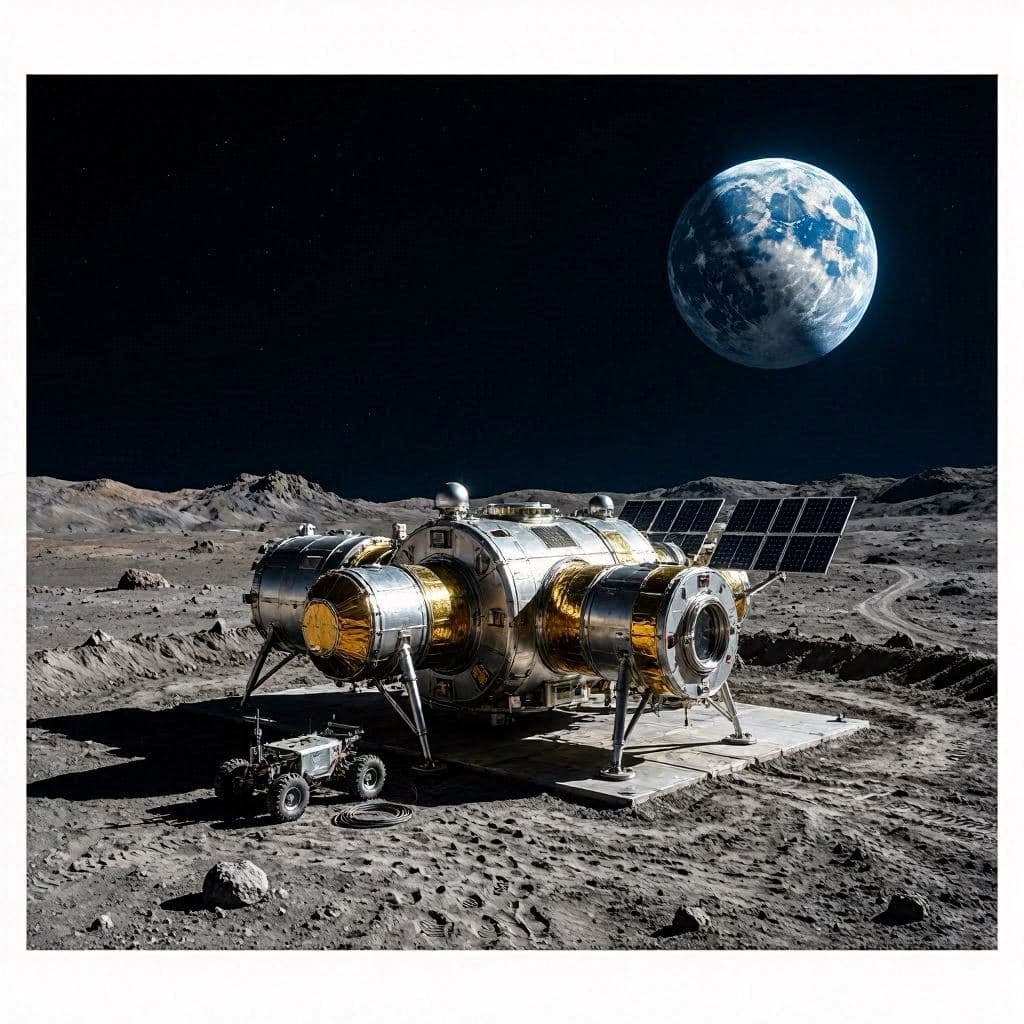
The moon has long served as a silent sentinel in our night sky, a constant companion that has inspired myths, guided tides, and fueled dreams of exploration. Today, that celestial neighbor is once again the focus of intense human ambition, not merely as a destination for brief visits, but as a place to build a lasting presence. NASA’s recent allocation of nearly 600 million in new contracts signals a decisive shift from conceptual planning to tangible construction. This investment represents more than just financial expenditure; it is a commitment to establishing a foothold on another world, marking a new chapter in the story of human expansion into the cosmos.
Body: The funding is directed toward key components of the Artemis program, specifically targeting the development of habitats and infrastructure necessary for sustained lunar operations. These contracts involve partnerships with private aerospace companies, reflecting a modern approach to space exploration that leverages commercial innovation alongside government oversight. By distributing resources across multiple vendors, NASA aims to foster competition and accelerate technological advancements, ensuring that the systems developed are both robust and cost-effective. This collaborative model seeks to create a sustainable ecosystem for lunar activity, rather than relying on a single provider.
The goal is to establish a permanent base near the lunar south pole, a region of significant scientific interest due to the presence of water ice in permanently shadowed craters. Access to this resource could revolutionize space travel, providing fuel and life support materials for deeper missions into the solar system. The contracts awarded will help design the living quarters, power systems, and logistical frameworks needed to support astronauts during extended stays. This infrastructure is crucial for transforming the moon from a remote outpost into a functional hub for scientific research and industrial development.
Critics often question the high costs associated with such ambitious projects, especially when faced with pressing challenges here on Earth. However, proponents argue that the technological spin-offs from space exploration have historically yielded significant benefits for terrestrial industries, from medical devices to advanced materials. Moreover, the economic activity generated by these contracts supports thousands of jobs and stimulates innovation in engineering and manufacturing. The investment is viewed not just as a scientific endeavor, but as an economic catalyst that drives progress in multiple sectors.
The timeline for these developments is aggressive, with plans to land astronauts on the moon later this decade. The urgency reflects a global race for lunar resources and strategic positioning, with other nations also advancing their own lunar programs. NASA’s proactive stance ensures that the United States remains a leader in space exploration, setting standards for international cooperation and regulatory frameworks. The momentum built by these contracts is essential for maintaining this leadership role in an increasingly competitive arena.
Beyond the immediate technical goals, the lunar base serves as a testing ground for technologies required for future missions to Mars. Living and working in the harsh lunar environment provides valuable data on radiation protection, resource utilization, and psychological resilience. Each step taken on the moon brings us closer to the possibility of interplanetary travel, making the current investments a foundational part of a much larger vision. The lessons learned in lunar orbit and on its surface will inform the design of spacecraft and habitats for the red planet.
As the pieces of this puzzle come together, the dream of a lunar village moves closer to reality. The 600 million injection is a concrete manifestation of this progress, turning blueprints into hardware and ideas into action. It represents a collective effort to push the boundaries of what is possible, driven by curiosity and the enduring human desire to explore. The moon is no longer just a distant object of wonder; it is becoming a neighborhood we are preparing to inhabit.
Closing: NASA’s continued investment in lunar infrastructure underscores a serious commitment to long-term space exploration. By awarding substantial contracts for habitat and system development, the agency is laying the groundwork for a permanent human presence on the moon. This strategic move not only advances scientific knowledge but also strengthens the industrial base required for future deep-space missions.
AI Image Disclaimer: Please note that the visual illustrations accompanying this article are AI-generated representations intended to contextualize the discussion on lunar development.
Sources: NASA Official Website SpaceNews The Verge Reuters
Published by Banx Network. This article is part of the Banx decentralized media programme, powered by the BXE token on the XRP Ledger.