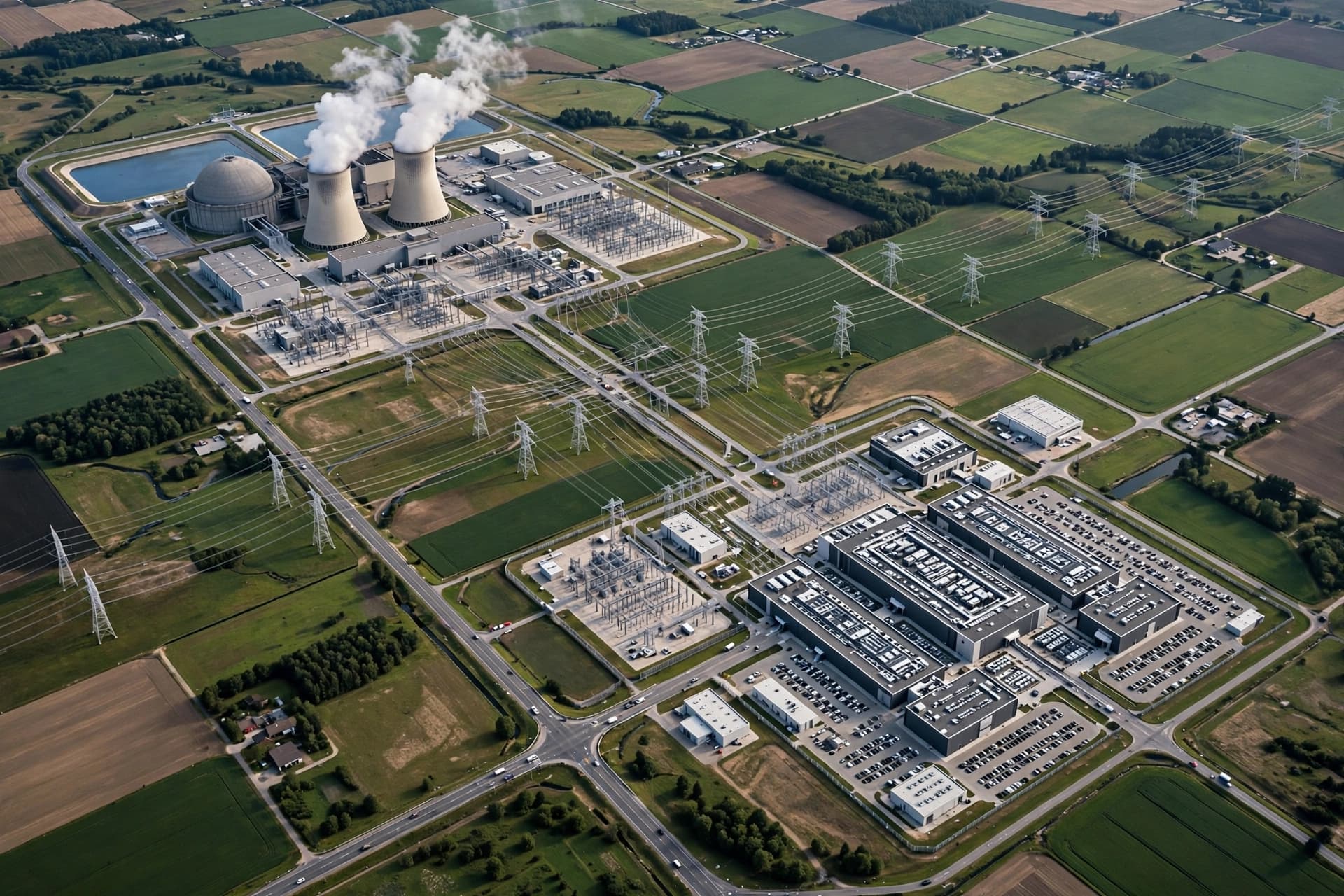
Competition within artificial intelligence continues accelerating as OpenAI, Meta, SpaceX's AI initiative and other technology leaders pursue increasingly efficient AI models capable of lowering development and operating costs. Industry observers believe the next phase of AI competition will focus not only on model performance but also on reducing the enormous computing resources required to train and deploy advanced systems. The rapid expansion of generative AI has dramatically increased demand for powerful graphics processors, data centers, cloud infrastructure, and electricity. Companies capable of improving efficiency could significantly reduce expenses while making advanced AI tools more accessible to businesses and consumers worldwide. OpenAI continues expanding enterprise services while Meta has emphasized open-source model development to encourage wider adoption. Other competitors are investing heavily in specialized hardware, optimized software architectures, and improved training techniques designed to deliver stronger performance using fewer computational resources. Lower operating costs could reshape the competitive landscape by enabling smaller businesses and startups to develop advanced AI applications without requiring massive infrastructure investments. It may also encourage broader adoption across healthcare, education, finance, manufacturing, logistics, and scientific research. Although competition remains intense, the industry's overall direction suggests efficiency will become nearly as important as raw capability. Companies that successfully combine powerful AI performance with lower operating costs are likely to gain significant advantages as global demand for artificial intelligence continues expanding.
Published by Banx Network. This article is part of the Banx decentralized media programme, powered by the BXE token on the XRP Ledger.