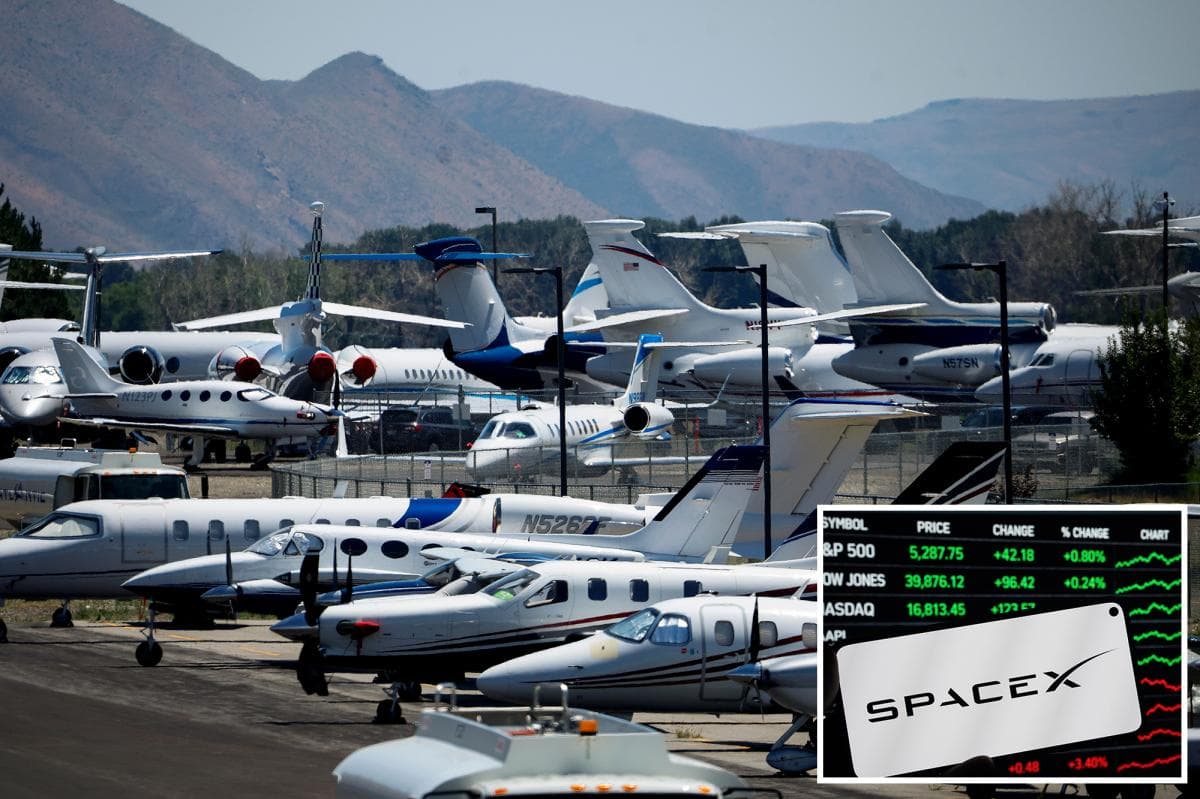
A new wave of demand is reshaping the private aviation industry as executives, entrepreneurs and investors benefiting from the artificial intelligence boom increasingly purchase private aircraft. Companies developing advanced AI models, semiconductor technologies, cloud infrastructure and related financial services have generated unprecedented wealth over the past two years, creating a fresh class of ultra-high-net-worth buyers. Aircraft manufacturers and private jet brokers report strong interest from technology founders who value flexibility, privacy and time savings. Unlike traditional corporate aviation customers, many of these buyers are first-time aircraft owners whose wealth was created rapidly through equity appreciation, acquisitions or public market gains linked to AI investments. The surge is also supported by record spending on AI infrastructure. Massive investments in data centers, semiconductor manufacturing and cloud computing have pushed technology company valuations sharply higher. Executives who exercised stock options or sold shares during the rally now possess the liquidity needed to acquire business aircraft. Industry analysts note that demand spans multiple aircraft categories, from light business jets designed for regional travel to long-range aircraft capable of nonstop international flights. Charter providers are also benefiting, as many technology firms initially choose fractional ownership or jet cards before purchasing aircraft outright. Manufacturers continue working through order backlogs created during the post-pandemic recovery. Limited production capacity means delivery slots for new aircraft often extend several years into the future, encouraging buyers to enter the pre-owned market where prices remain elevated. Supporters argue private aviation significantly improves productivity by reducing travel time and enabling executives to visit multiple locations in a single day. Critics, however, point to the industry's environmental footprint, highlighting higher carbon emissions per passenger compared with commercial airlines. The AI-driven wealth effect extends beyond aviation. Luxury real estate, yachts, fine art and high-end vehicles have all experienced increased demand as technology fortunes expand. Financial advisers say many entrepreneurs are diversifying their wealth into tangible assets while maintaining significant exposure to fast-growing technology companies. Looking ahead, aviation executives expect AI-related demand to remain strong provided capital markets continue rewarding innovation. Continued investment in artificial intelligence, enterprise software and semiconductor production could sustain elevated private aircraft sales for years, although economic slowdowns or tighter financial conditions could moderate buying activity.
Published by Banx Network. This article is part of the Banx decentralized media programme, powered by the BXE token on the XRP Ledger.