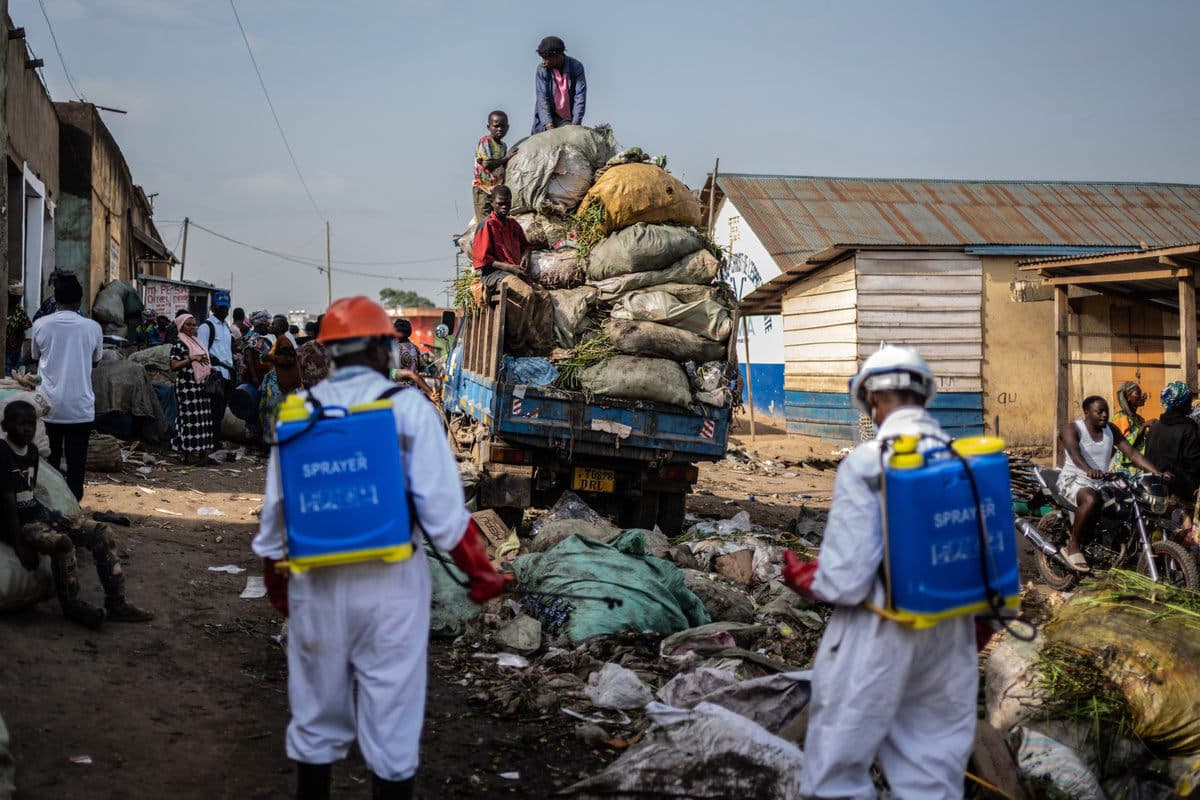
the number of suspected Ebola cases in the Democratic Republic of the Congo has escalated beyond 900, prompting international concern and alert. The Ebola outbreak is linked to the Bundibugyo virus, and the affected region, primarily in Ituri Province, has seen significant rise in infections and fatalities amid severe operational challenges for health workers.
The World Health Organization (WHO) has declared the outbreak a Public Health Emergency of International Concern (PHEIC), driven by alarming reports of increased community deaths and healthcare-associated transmissions. As of mid-May, eight lab-confirmed cases and 246 suspected cases were reported along with 80 suspected deaths in the area.
Health workers in the region are not only combating an outbreak but also facing violent attacks. Reports indicate that medical personnel have been assaulted while attempting to treat and trace affected individuals, leading to widespread fear and reluctance among healthcare professionals to continue their work. This violence has exacerbated the already critical situation, leading to operational disruptions and staffing shortages.
Further complicating the response is a severe lack of medical supplies, making it difficult for healthcare facilities to provide adequate care. Many health organizations, including Doctors Without Borders (MSF), are mobilizing teams to support local health facilities and address the urgent needs of the population. MSF has dispatched medical staff to establish treatment centers and introduce strict infection control measures in the outbreak's epicenter.
Community engagement is vital in the Ebola response, as the success of vaccination and prevention efforts depends on local awareness and cooperation. Given the ongoing humanitarian crisis characterized by conflict, displacement, and inadequate infrastructure, efforts to control the outbreak are increasingly strained.
The international community is closely monitoring the situation, recognizing that without immediate action to secure safety for health workers and ensure supply chains for essential medical resources, the outbreak may spread further, affecting neighboring countries.
The DRC's outbreak history is a stark reminder of the continued vulnerabilities faced in regions prone to infectious diseases, particularly in the context of civil unrest and limited healthcare infrastructure. The coming weeks will be critical in determining the trajectory of this outbreak and the effectiveness of the response efforts underway.
Published by Banx Network. This article is part of the Banx decentralized media programme, powered by the BXE token on the XRP Ledger.