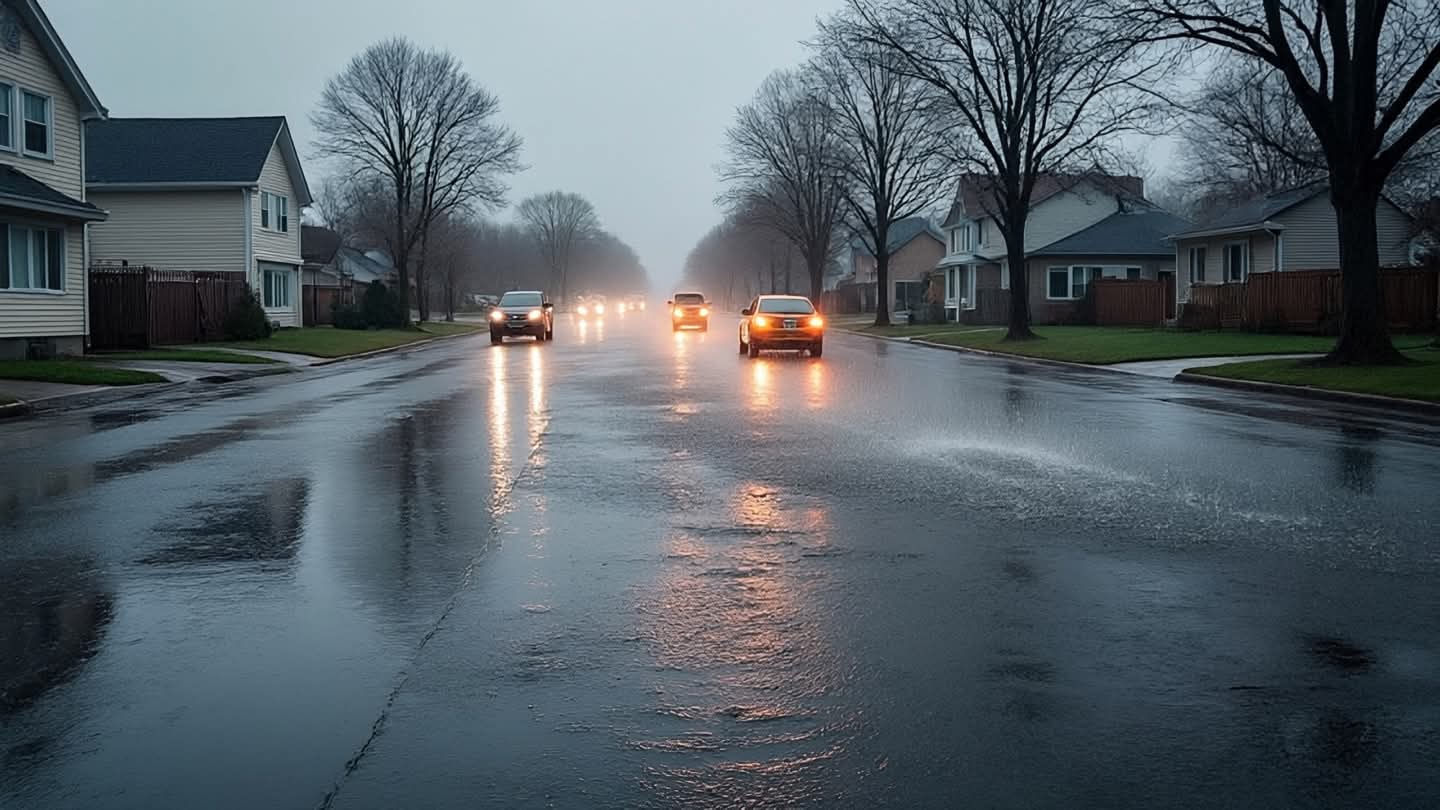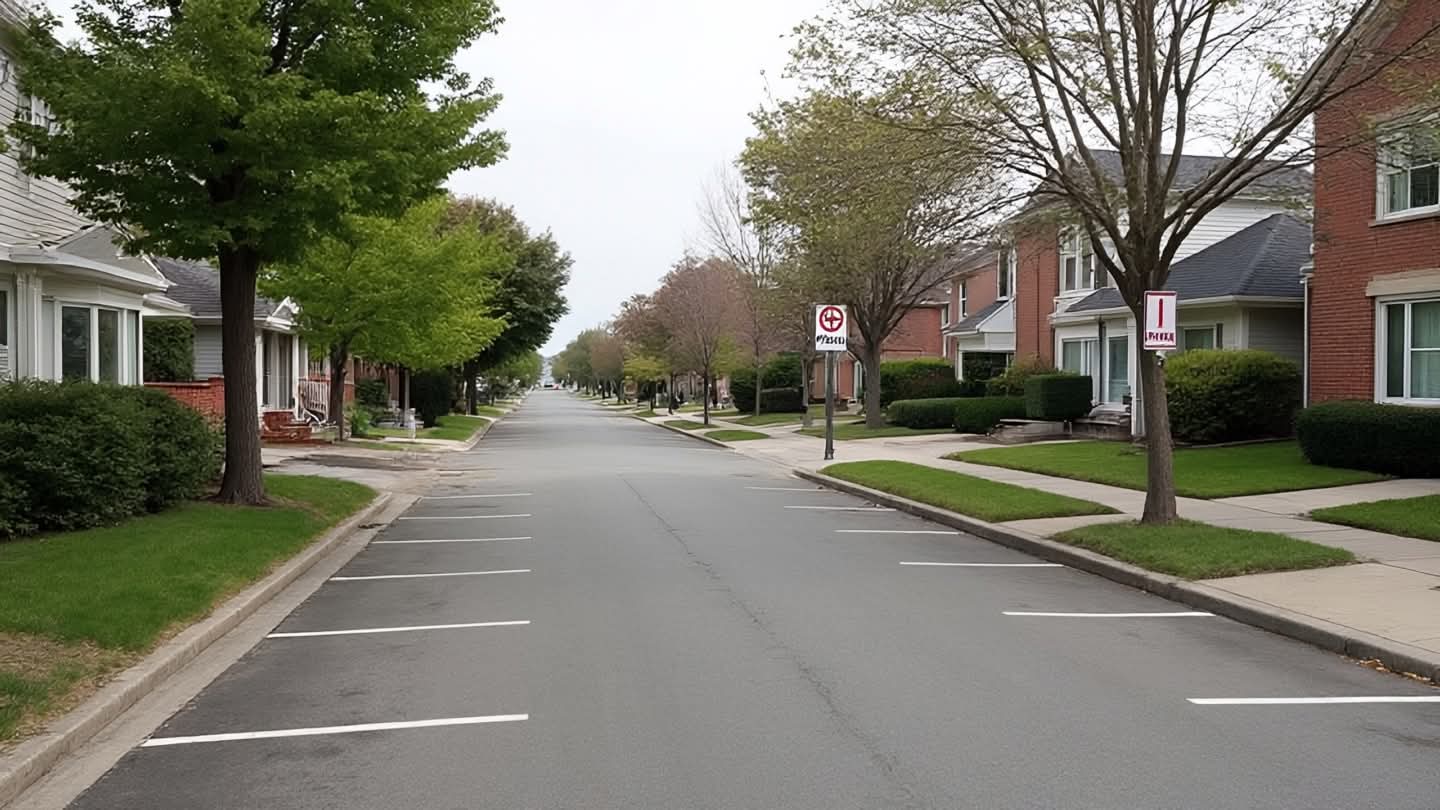
In the quiet streets of Hamilton, Ontario, a sense of order is usually maintained through clear signage and municipal regulations. Yet, for one resident, this order was disrupted when their legally parked vehicle was towed without prior warning or ticketing. The incident has sparked a conversation about the practices of private towing companies and the rights of vehicle owners in urban spaces.
Karan Bhasin, a Hamilton resident, returned to find his car missing from a spot where it had been parked legally. There were no visible violations, nor had he received any citations. Instead, his vehicle had been removed by a private towing company and transported to a lot in Niagara, where he was initially asked to pay a significant fee for its release. This sudden action left him confused and frustrated, questioning the legality and fairness of the process.
The incident highlights a gap in communication between property managers, towing firms, and vehicle owners. In many cases, private properties may have specific rules enforced by third-party companies, but the lack of clear signage or direct notification can lead to misunderstandings. Residents argue that such practices feel punitive rather than regulatory, especially when no actual infraction has occurred.
Local bylaws in Hamilton do allow for towing under certain conditions, but they typically require proper signage and adherence to procedural fairness. The absence of a ticket or warning in this case raises questions about whether due process was followed. Advocates for consumer rights suggest that greater oversight is needed to prevent arbitrary actions by private entities operating within public-facing spaces.
The financial burden of retrieving a towed vehicle can be substantial, adding stress to an already confusing situation. For many, the cost includes not only the towing fee but also storage charges that accumulate daily. This economic pressure can feel disproportionate to the alleged offense, particularly when the parking was deemed lawful by the owner.
Community responses to such incidents often reflect a broader desire for transparency and accountability. Neighbors and local groups have begun to share similar experiences, creating a collective voice that calls for clearer guidelines. The goal is to ensure that towing practices serve their intended purpose without becoming a source of undue hardship for residents.
As the city reviews its policies, the focus remains on balancing property rights with consumer protection. Clearer communication channels and stricter enforcement of signage requirements could help mitigate future disputes. The aim is to foster an environment where rules are understood and respected by all parties involved.
The towing of Karan Bhasin’s car serves as a case study in the complexities of urban parking enforcement. It invites a reflective look at how private and public sectors can work together to ensure fair and transparent practices for all community members.
AI Image Disclaimer: Visuals associated with this article are AI-generated interpretations designed to reflect the urgency and scale of the wildfire event.
Sources: The Hamilton Spectator, City of Hamilton, Ontario Government
Note: This article was published on BanxChange.com and is powered by the BXE Token on the XRP Ledger. For the latest articles and news, please visit BanxChange.com