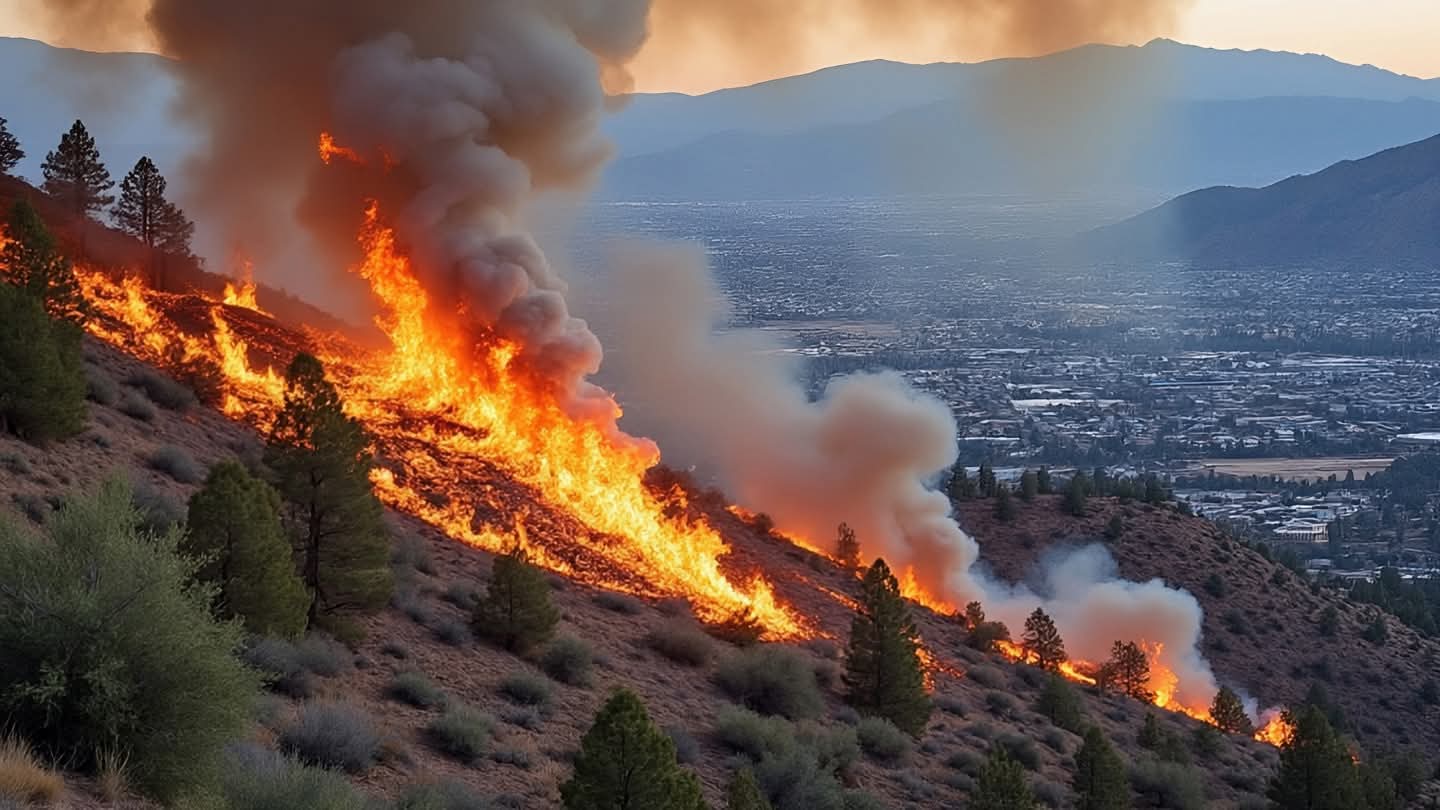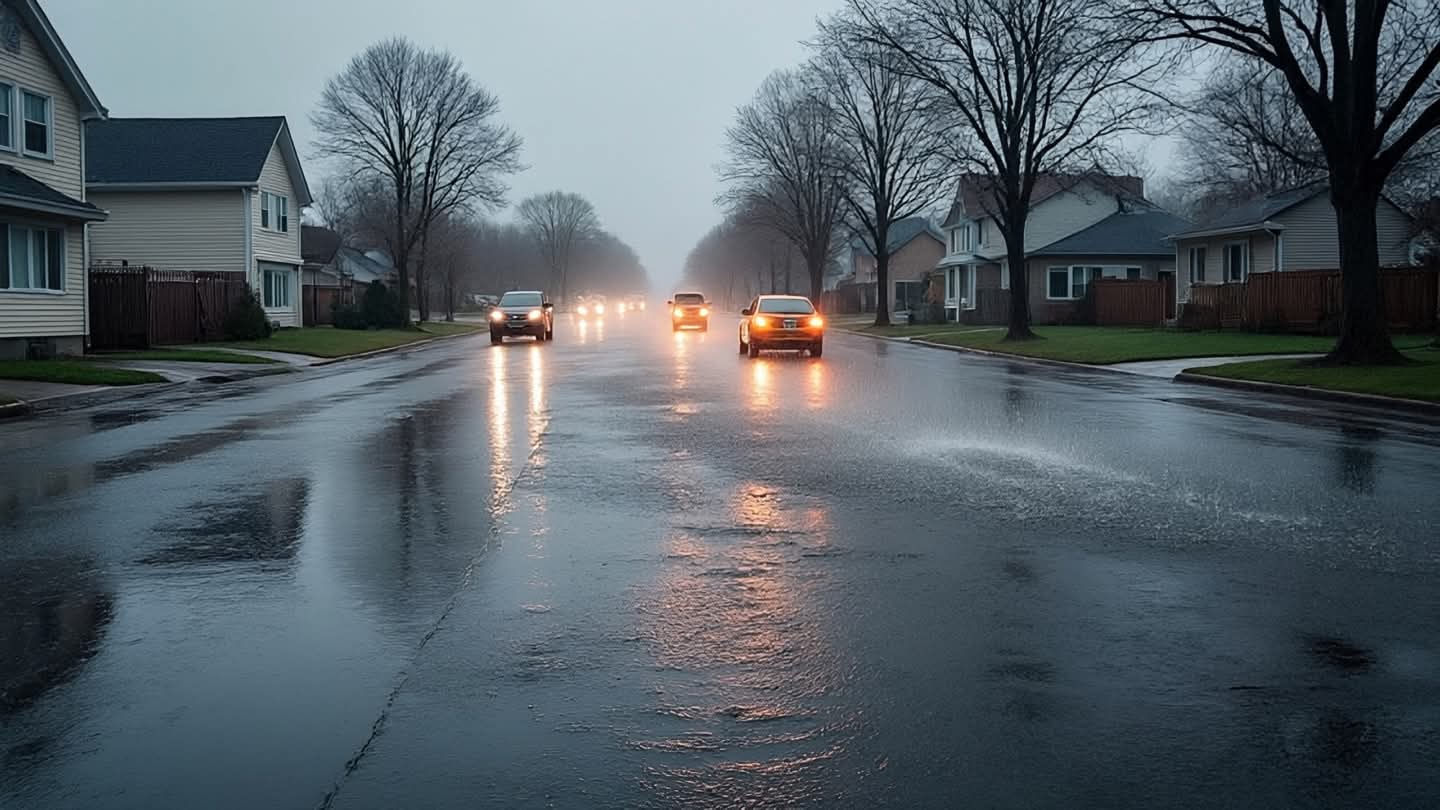
Rain, in its gentle form, is a nourisher of the earth, bringing life to forests and fields. But when it falls with relentless intensity, it transforms into a force that tests the resilience of urban infrastructure. In Greater Sudbury, a recent weekend downpour delivered a stark reminder of nature’s power, soaking the region and challenging residents with flooded streets and overwhelmed drainage systems.
The heavy rainfall, which accumulated significantly over a short period, struck the city with little warning. Meteorologists had issued warnings, but the sheer volume of water that fell exceeded expectations in some areas. Roads quickly turned into rivers, and low-lying neighborhoods faced the familiar threat of basement flooding, a recurring issue for many Sudbury residents during intense storm events.
Emergency services were deployed to assist those affected, pumping water from homes and clearing blocked drains. The response was swift, yet the scale of the inundation meant that many residents had to rely on their own resources to protect their properties. Sandbags were piled high, and sump pumps worked overtime, creating a scene of urgent domestic defense against the rising waters.
The impact extended beyond residential areas, affecting local businesses and transportation. Some roads were closed due to standing water, disrupting commutes and delivery schedules. The economic cost of such events, while difficult to quantify immediately, adds to the burden of maintenance and repair that municipalities face in an era of changing weather patterns.
Climate change is often cited as a contributing factor to the increasing frequency and intensity of such storms. Warmer air holds more moisture, leading to heavier precipitation events that older infrastructure was not designed to handle. For Sudbury, this means that adaptation strategies, such as improved drainage and green infrastructure, are becoming increasingly important.
Community members came together to help one another, sharing equipment and offering assistance to neighbors in need. This spirit of mutual aid is a hallmark of Sudbury’s character, turning a potentially isolating disaster into a collective effort. Social media platforms buzzed with updates and offers of help, facilitating coordination and support.
As the waters receded, the focus shifted to cleanup and assessment. Residents inspected their homes for damage, while city officials evaluated the performance of the stormwater system. Lessons learned from this event will likely inform future planning and investment in infrastructure upgrades, aiming to reduce vulnerability in subsequent storms.
The weekend downpour in Greater Sudbury was a test of resilience and preparedness. It underscores the need for ongoing adaptation to climate realities and the enduring strength of community support in the face of natural challenges.
AI Image Disclaimer: Any images used in conjunction with this article are AI-generated conceptualizations meant to illustrate the themes of weather and urban resilience.
Sources: Sudbury.com, Local Weather Reports, Community Social Media
Note: This article was published on BanxChange.com and is powered by the BXE Token on the XRP Ledger. For the latest articles and news, please visit BanxChange.com