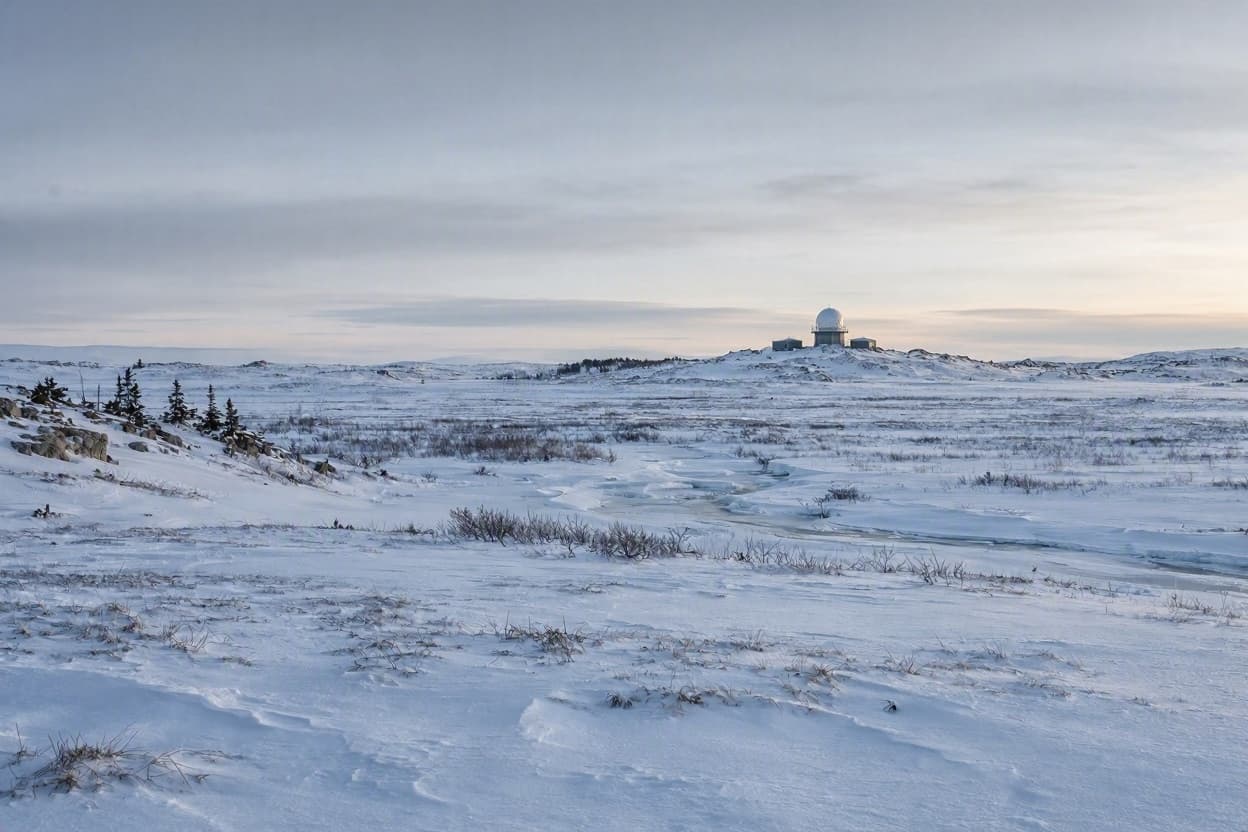
In the vast, untamed wilderness of western Alaska, where the horizon stretches endlessly and silence is the dominant sound, a sudden tragedy has pierced the calm. A charter aircraft carrying eight people crashed near a remote military radar site, claiming all lives on board. The incident, occurring in one of the most isolated regions of the United States, serves as a somber reminder of the inherent risks associated with aviation in extreme environments and the vital role these remote outposts play in national security.
The crash site, located near Cape Newenham, is home to a Long Range Radar Station operated by the U.S. Air Force. These sites are critical for early warning and air defense, often situated in areas inaccessible by road and reliant on air transport for supplies and personnel rotation. The aircraft, contracted by the Army Corps of Engineers, was likely supporting maintenance or logistical operations at the facility. Its loss underscores the dependency on fragile supply lines in such unforgiving terrain.
Emergency response in such remote locations is a complex challenge. The harsh weather, rugged landscape, and distance from major medical centers can delay rescue efforts and complicate recovery operations. In this case, the severity of the impact left no survivors, turning the mission into a recovery effort rather than a rescue. The dedication of first responders who brave these conditions to assist others is a testament to their courage and professionalism.
For the families of the victims, the news is devastating. Each individual on board had a story, a role, and a network of loved ones now left to grapple with sudden loss. The community of contractors and military personnel who work in these remote sectors is tight-knit, and the ripple effects of the tragedy will be felt deeply among colleagues and friends. Their grief is shared by all who understand the sacrifices made in service of national infrastructure.
Investigations into the cause of the crash are underway, led by the National Transportation Safety Board (NTSB) and military authorities. Factors such as weather conditions, mechanical issues, and pilot decision-making will be scrutinized. These inquiries are crucial not only for determining liability but for improving safety protocols for future flights. Every accident offers lessons that can prevent future tragedies, making the investigative process a vital component of aviation safety.
The incident also highlights the importance of the radar sites themselves. Often overlooked by the public, these stations form a shield against potential aerial threats, operating quietly in the background of daily life. The workers who maintain them, whether civilian contractors or military personnel, perform essential duties in challenging conditions. Their contribution to national defense is significant, yet their risks are often unseen.
As the investigation proceeds, the focus remains on honoring the victims and supporting their families. The military and contracting companies are offering counseling and assistance, recognizing the emotional toll of such events. Community support plays a crucial role in healing, providing a network of care during a time of profound sorrow. It is a moment for reflection on the human cost of maintaining security in remote frontiers.
In the end, the crash in Alaska is a tragic event that demands respect and attention. It reminds us of the fragility of life and the bravery of those who work in hazardous environments. For the nation, it is a call to ensure that safety remains the highest priority in all operations. The hope is that through thorough investigation and improved practices, such losses can be minimized in the future.
AI Image Disclaimer: The visual elements in this article are AI-generated illustrations depicting remote Alaskan landscapes and abstract representations of aviation and radar technology, designed to reflect the themes of isolation and service without showing real crash sites, victims, or specific military hardware.
Sources: NPR, Alaska’s News Source, CBS News, Associated Press
Note: This article was published on BanxChange.com and is powered by the BXE Token on the XRP Ledger. For the latest articles and news, please visit BanxChange.com