
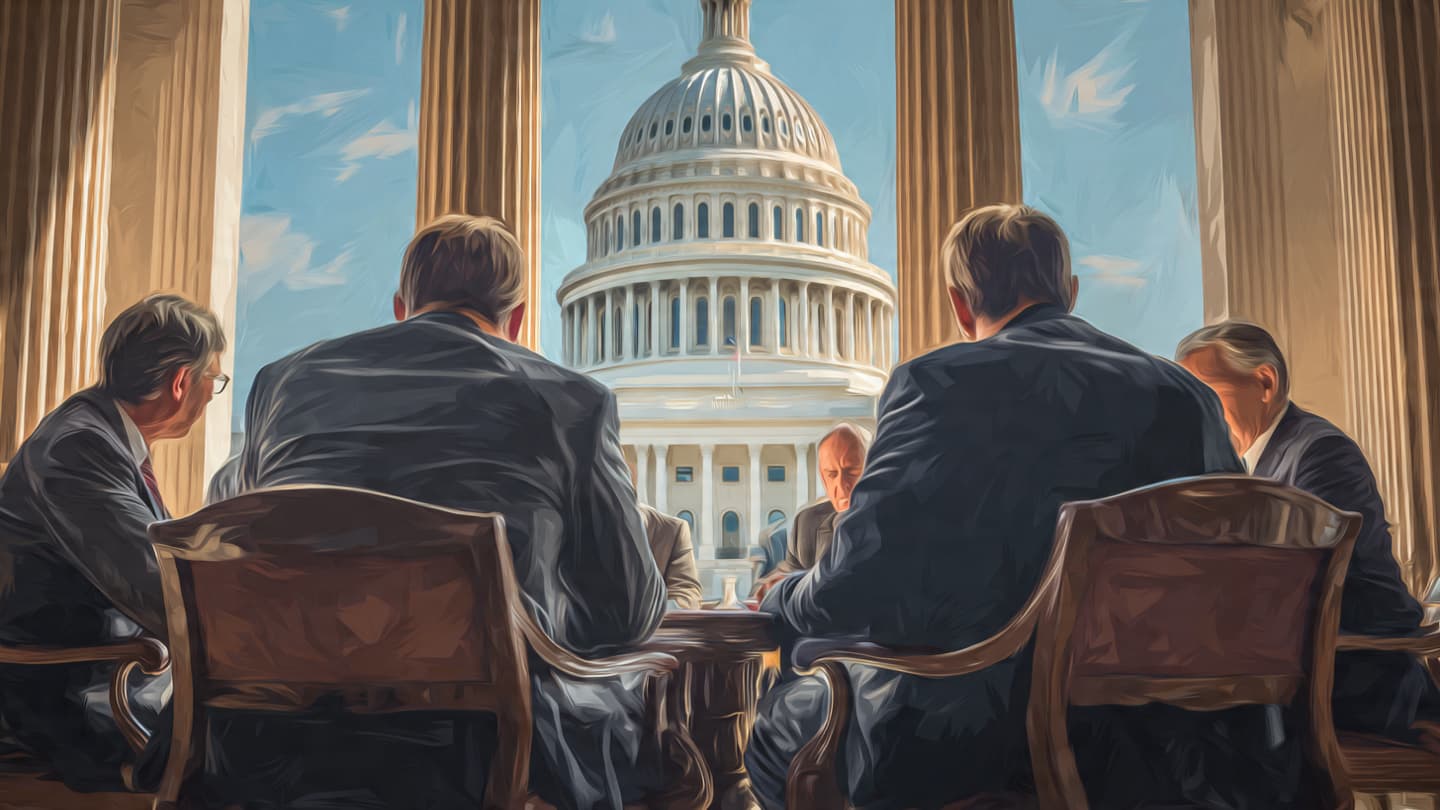
Politics often resembles a long conversation rather than a single decision. Within democratic institutions, support and opposition frequently evolve as circumstances change. Recent developments in the United States Congress suggest that some lawmakers are increasingly willing to challenge aspects of President Donald Trump's political agenda.
Reports indicate that a number of Republican legislators have expressed concerns regarding specific policy proposals and legislative priorities. While support for the president remains significant within the party, areas of disagreement have become more visible in congressional discussions.
The United States Congress was designed to function as an independent branch of government. Lawmakers are expected to represent their constituents while also participating in debates concerning national priorities. As a result, differences of opinion often emerge even among members of the same political party.
Observers note that internal disagreements are not unusual in American politics. Throughout history, both major parties have experienced periods in which members diverged on policy questions involving budgets, foreign affairs, immigration, and economic priorities.
Current debates have focused on a range of issues, including government spending, legislative strategy, and the political direction of the Republican Party. Some lawmakers have advocated caution, arguing that certain proposals require broader consensus before moving forward.
Political analysts suggest that congressional resistance can influence the pace and shape of policy implementation. Even when a president enjoys significant support, legislative success often depends on negotiations among multiple factions within Congress.
The evolving relationship between the executive and legislative branches reflects a central feature of the American political system. Checks and balances were established to ensure that major decisions undergo scrutiny from different institutions.
Beyond Washington, voters continue watching developments closely. Public opinion remains an important factor influencing how elected officials approach key policy questions and legislative negotiations.
As Congress continues its work, the emerging debates illustrate the dynamic nature of democratic governance. While disagreements may generate political headlines, they also represent a process through which competing perspectives are examined and weighed.
AI Image Disclaimer: The imagery used for this article has been generated using AI tools for illustrative and editorial purposes.
Source Verification Check: Reuters, Associated Press, CNN, The Hill
Note: This article was published on BanxChange.com and is powered by the BXE Token on the XRP Ledger. For the latest articles and news, please visit BanxChange.com