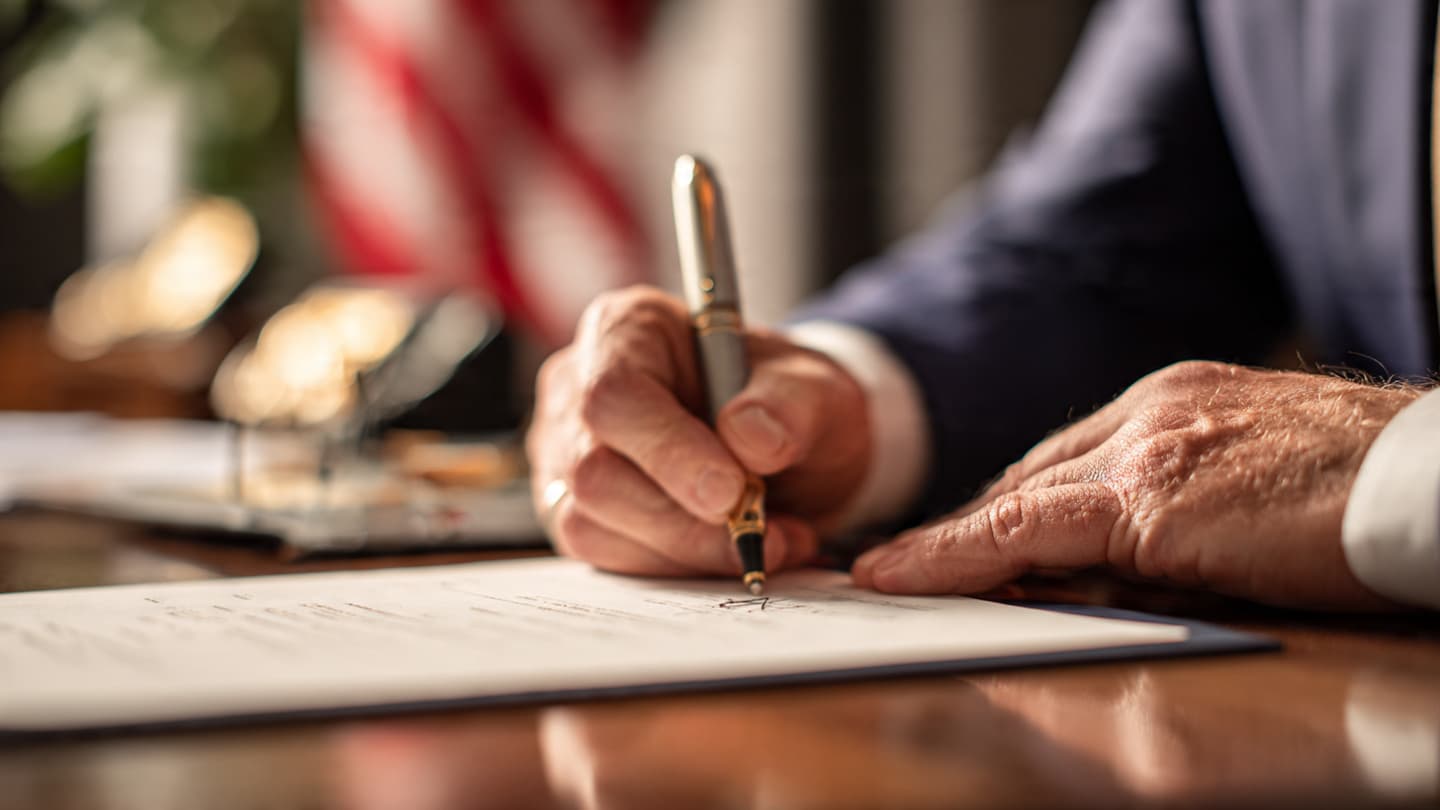
Political history is often shaped not only by elections and legislation but also by the use of executive powers that can alter the course of individual lives. Among those powers, the presidential pardon remains one of the most consequential, capable of reopening debates about justice, accountability, and the purpose of clemency itself.
President Donald Trump has issued a full and unconditional pardon to former Indiana Congressman Stephen Buyer, a Republican who was convicted of insider trading and served nearly two years in prison. The decision was announced by the White House and follows months of advocacy from current and former Republican lawmakers who supported Buyer's request for clemency.
Buyer served in Congress from 1993 to 2011 before working as a consultant and lobbyist. Prosecutors successfully argued that he used confidential information concerning corporate transactions, including the merger between Sprint and T-Mobile and another acquisition involving Navigant Consulting, to make profitable stock trades. He was convicted in 2023 and sentenced to 22 months in prison.
Court records indicate that Buyer was ordered to forfeit hundreds of thousands of dollars in gains and pay additional financial penalties. His appeal ultimately reached the U.S. Supreme Court, which declined to hear the case in 2026.
In granting the pardon, Trump cited Buyer's military service and congressional career. Supporters argued that Buyer had been unfairly prosecuted and described the case as politically motivated. Buyer has consistently maintained his innocence.
Critics, meanwhile, have questioned the use of presidential clemency in cases involving financial crimes. Such debates are not new; presidential pardons have historically generated differing views regarding fairness, accountability, and executive authority.
The Constitution grants presidents broad authority to issue pardons for federal offenses. Although a pardon does not erase a conviction from the historical record, it serves as an official act of clemency and can restore certain rights affected by criminal penalties.
The decision also reflects the continuing political significance of pardon powers. Throughout American history, presidents from both major parties have used clemency authority in ways that sparked public discussion and legal analysis.
For now, the pardon closes one chapter in Buyer's legal journey while opening another conversation about how executive clemency should be exercised in cases involving public officials and financial misconduct.
AI Image Disclaimer: Images accompanying this article are AI-generated illustrations intended to support understanding of the news event.
Sources (verification check): Reuters, Associated Press, The Washington Post, The Guardian
Note: This article was published on BanxChange.com and is powered by the BXE Token on the XRP Ledger. For the latest articles and news, please visit BanxChange.com