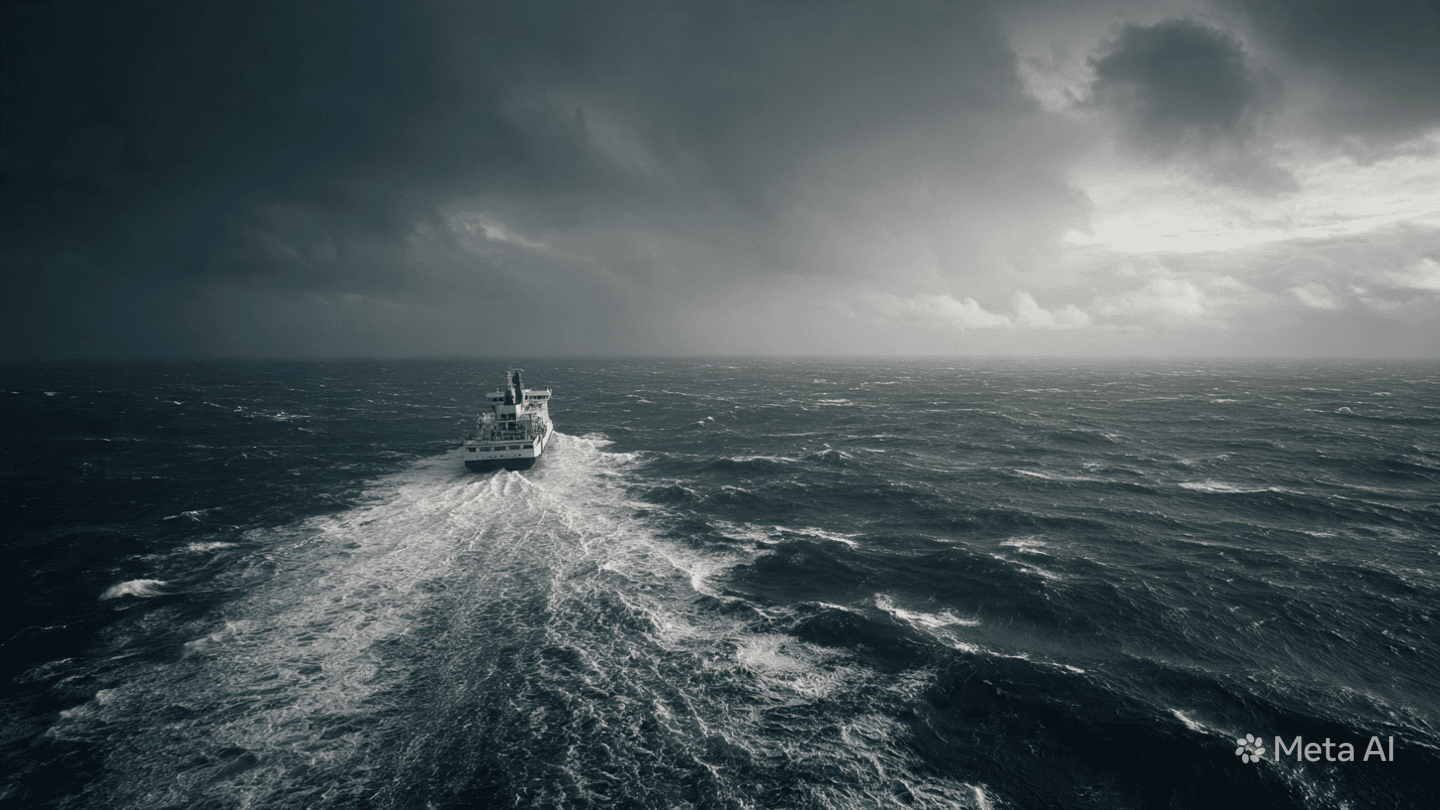
The North Sea is a restless body of water, a vast, shifting expanse that dictates the tempo of those who traverse it. Even on the calmest of mornings, it possesses a subterranean power, a rhythmic heave that reminds us of the fragility of our passage. Recently, the waters have turned, revealing a choppy, unpredictable temperament that ripples through the ferry routes connecting our island communities. It is a time for caution, where the predictable schedule of the ferry must be tempered by the reality of the elements, a dance between human logistics and the ancient, rolling force of the tide.
In this delicate window, the Danish Coast Guard stands as a silent sentinel, their presence felt through the steady, monitored vigilance of the routes. Their work is a quiet orchestration of safety, a behind-the-scenes monitoring that ensures every crossing is navigated with the utmost care. To watch the vessels cut through the gray-white caps is to witness a dialogue between captain and sea, underscored by the watchful guidance of those who track the currents from the shore. It is not merely about arrival; it is about the sanctity of the journey itself.
The choppy conditions serve as a poignant reminder that, despite our modern advancements, we remain at the mercy of the natural world. The sea does not bargain, nor does it wait for the convenience of a schedule. It requires a humble recognition of its power, a respect that is woven into every safety protocol the Coast Guard oversees. When the reports of turbulence arrive, the response is measured and deliberate, a calm adjustment of course that prioritizes the stability of the vessel over the rush of the transit.
There is an atmosphere of deep responsibility that permeates the terminal when the seas grow heavy. Passengers look out at the horizon, sensing the shift in the water, their movements perhaps a bit more hesitant, their gaze more fixed. The authorities provide the necessary structure to this uncertainty, ensuring that every passenger is shielded from the consequences of the sea’s volatility. This is the unseen, vital infrastructure of our maritime life—the assurance that, no matter how the wind blows or the waves break, a watchful eye is kept on the path ahead.
The Coast Guard’s role is one of profound narrative distance; they are the observers who intervene only when the balance threatens to tilt. Their monitoring is not an intrusion, but a reassurance, a steady anchor for those aboard the ferries. As the vessels bob and sway in the current, the passengers are linked to a network of expertise and oversight that turns the act of travel into a secure endeavor. It is an editorial reflection on how we navigate the challenges of our environment, leaning on the wisdom and vigilance of those who know the waters best.
As the day continues and the winds perhaps soften or strengthen, the pattern of the ferry routes remains a constant, rhythmic pulse. The crossing is a universal experience here, a shared moment of transition that binds the land to the sea. The reports of choppy conditions are but a temporary chapter in the long story of these voyages, yet they highlight the enduring need for this watchful oversight. It is a testament to the resilience of our maritime culture, where we accept the challenges of the deep as part of the price of our connectivity.
When the ferry finally finds the stillness of the harbor, there is a collective release of tension, a quiet acknowledgment of a journey completed with safety. This, too, is a part of the Coast Guard’s success—the invisible hand that guides the arrival just as firmly as the departure. In the shifting light of the North Sea, the work of these responders remains as constant as the tides. They are the keepers of the crossing, the silent partners in our movement, ensuring that the rhythm of our lives continues, even when the sea decides to turn.
The Danish Coast Guard has confirmed it is maintaining intensified monitoring of ferry routes across the North Sea following reports of choppy, unsettled conditions. Maritime safety teams are providing real-time weather assessments to ferry operators, ensuring that all vessels maintain safe navigational practices despite the increased swell. While scheduled services are largely continuing as planned, authorities have advised operators to adjust speeds and entry procedures as necessary, and they are reminding passengers to follow all onboard safety instructions while traveling during these periods of heightened sea activity.
Published by Banx Network. This article is part of the Banx decentralized media programme, powered by the BXE token on the XRP Ledger.