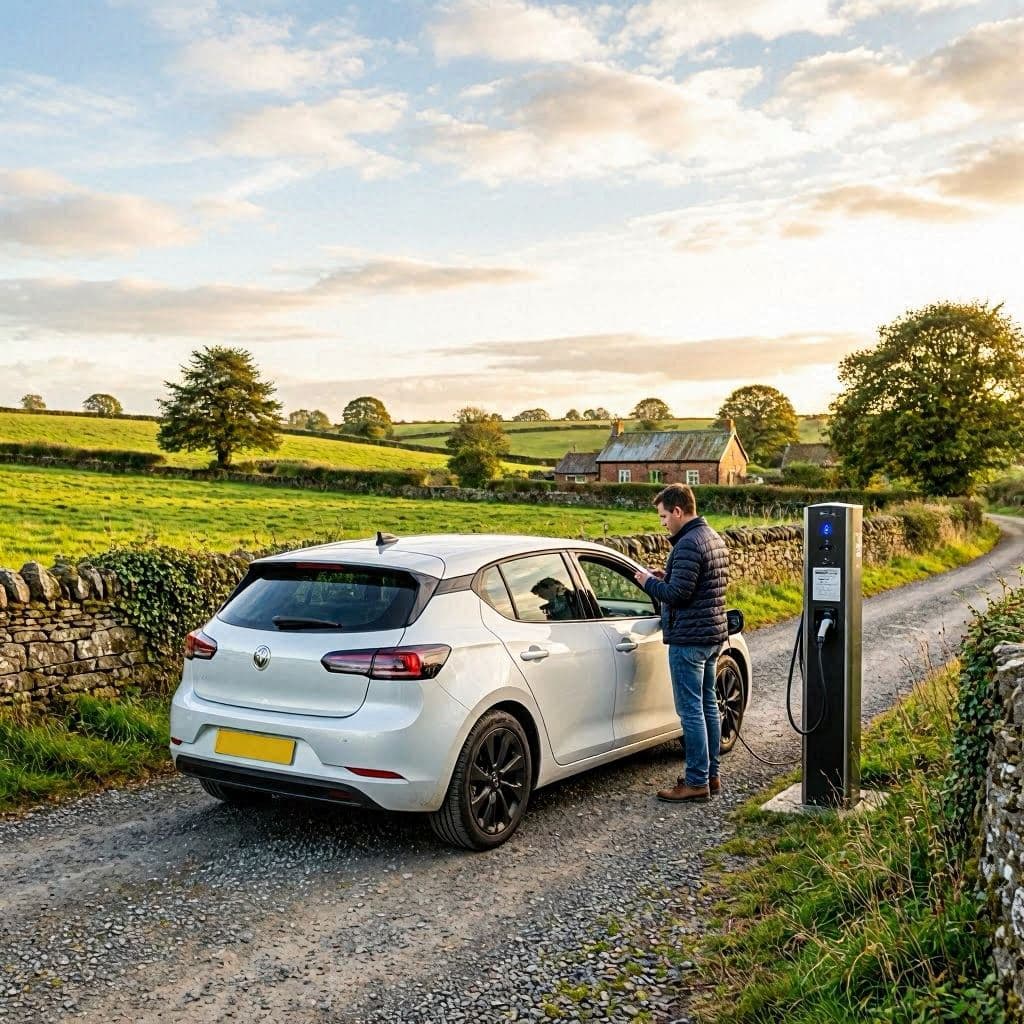
Opening: The promise of electric vehicle travel is one of silence, sustainability, and seamless integration into modern life. Yet, for many drivers embarking on long-distance journeys, the reality is punctuated by anxiety, planning, and the occasional hunt for a working charger. The question "Are we there yet?" takes on a new meaning when the answer depends not just on distance, but on battery range and infrastructure availability. This disconnect between expectation and experience highlights the growing pains of a transportation revolution still in progress.
Body: Range anxiety remains a primary concern for EV owners on road trips. While newer models boast impressive mileage, factors such as weather, speed, and terrain can significantly reduce actual range. Cold temperatures, for instance, drain batteries faster, requiring more frequent stops. This variability forces drivers to plan meticulously, often mapping out charging stations days in advance to avoid being stranded.
Charging infrastructure, though expanding rapidly, is not yet uniform. Urban areas are well-served, but rural routes and remote highways often lack reliable options. When chargers are available, they may be occupied, broken, or incompatible with certain vehicle types. This fragmentation creates friction in the travel experience, turning what should be a simple refueling stop into a potential logistical challenge.
Charging speeds also vary widely. Fast chargers can replenish a battery in 20–30 minutes, but slower Level 2 chargers may take hours. For travelers on a tight schedule, these delays can be frustrating. The inconsistency in charging technology and network reliability means that every trip requires a degree of flexibility and patience that gasoline drivers rarely need to exercise.
Despite these challenges, the EV community is resilient and resourceful. Online forums and apps provide real-time updates on charger status, helping drivers navigate obstacles. Many owners share tips on maximizing efficiency, such as pre-conditioning the battery or adjusting driving habits. This collective knowledge helps mitigate some of the uncertainties inherent in current EV travel.
Automakers are aware of these issues and are investing heavily in infrastructure partnerships. Networks like Tesla’s Supercharger network are opening to other brands, increasing accessibility. Government incentives are also driving the installation of more chargers along major corridors. These efforts aim to create a seamless network that rivals the convenience of traditional gas stations.
For early adopters, the trade-offs are part of the journey. The environmental benefits and lower operating costs often outweigh the inconveniences. However, for mass adoption to occur, the user experience must improve. Reliability, speed, and ubiquity of charging are key factors that will determine whether EVs become the default choice for long-distance travel.
As technology advances, solid-state batteries and wireless charging may offer solutions to current limitations. Until then, the EV road trip remains an adventure that requires preparation and adaptability. It is a testament to the transition phase we are in, where the future is visible but not yet fully realized.
Closing: Electric vehicle road trips continue to face challenges related to range anxiety and charging infrastructure reliability. While improvements are being made, drivers must still plan carefully for long-distance travel. The transition to widespread EV adoption depends on resolving these logistical hurdles.
AI Image Disclaimer: Please be aware that the visual aids in this piece are AI-generated interpretations designed to support the narrative of electric vehicle travel and infrastructure.
Sources: Edmunds Car and Driver Electrek InsideEVs
Published by Banx Network. This article is part of the Banx decentralized media programme, powered by the BXE token on the XRP Ledger.