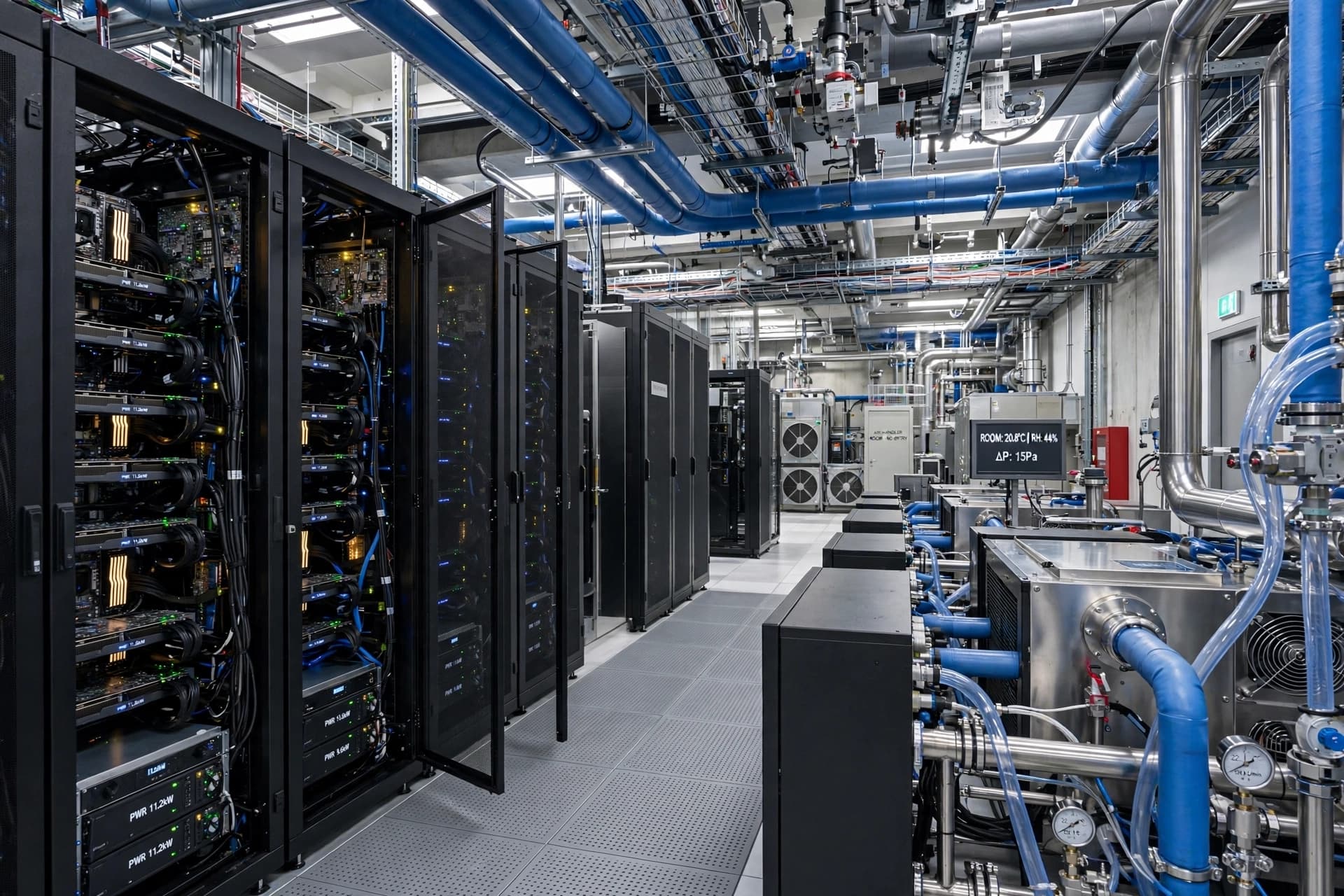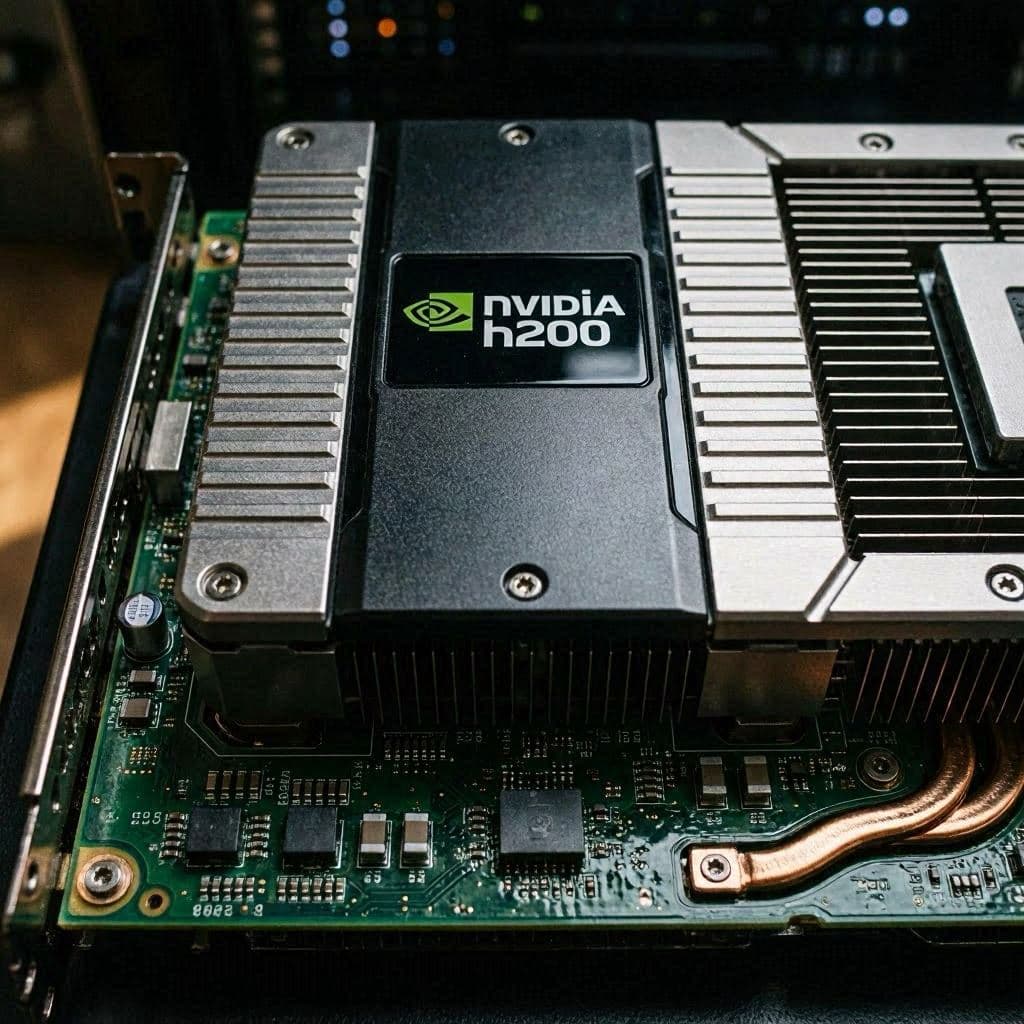
In the intricate dance of global technology and geopolitics, access to advanced semiconductors has become a pivotal factor in national competitiveness. Recently, reports indicate that China plans to allow its leading artificial intelligence firms to purchase a limited quantity of Nvidia’s H200 chips. This development marks a subtle shift in the ongoing trade restrictions, offering a glimpse of cooperation amidst tension. It highlights the complex interdependence of the global tech supply chain, where innovation often transcends political boundaries, even as regulations seek to contain it.
Body: The H200 chip, part of Nvidia’s latest generation of graphics processing units, is designed specifically for high-performance computing and AI workloads. Its superior memory bandwidth and processing power make it highly desirable for training large language models and other advanced AI applications. For Chinese tech giants, access to this hardware is crucial for maintaining their competitive edge in the rapidly evolving AI landscape. The approval of these purchases suggests a calibrated approach by regulators, balancing security concerns with economic needs.
This move comes after a period of strict export controls imposed by the United States, which aimed to limit China’s access to cutting-edge semiconductor technology. However, the global nature of the chip industry means that complete decoupling is difficult. Nvidia, as a dominant player, has a vested interest in maintaining its market share in China, one of the largest markets for AI infrastructure. The limited allowance may represent a compromise that allows some flow of technology while adhering to broader regulatory frameworks.
For Chinese AI firms, the ability to acquire H200 chips, even in limited quantities, provides a vital lifeline. It enables them to continue developing and deploying advanced AI models, which are integral to various sectors including finance, healthcare, and autonomous driving. Without access to such hardware, their progress could stall, impacting not only their businesses but also the broader digital economy of the country. This access is therefore seen as a strategic necessity.
The decision also reflects the pragmatic realities of international trade. While political rhetoric may emphasize competition and containment, economic incentives often drive collaboration. Companies on both sides benefit from the exchange of goods and services, and restricting this flow can have unintended consequences for global innovation. Allowing limited sales may help mitigate some of the negative impacts of trade wars on the tech sector.
However, the limitations imposed on these purchases remain significant. The quantity allowed is likely insufficient to meet the full demand of China’s AI industry, forcing firms to rely on domestic alternatives or older generations of chips. This constraint may accelerate efforts to develop indigenous semiconductor capabilities, fostering a parallel ecosystem that is less dependent on foreign technology. In the long run, this could lead to greater self-sufficiency but also increased fragmentation in the global tech landscape.
International observers are watching this development closely, assessing its implications for future trade policies. It may set a precedent for how other controlled technologies are managed, influencing negotiations and agreements between major economies. The balance between security and commerce remains delicate, requiring constant adjustment and dialogue. This specific case illustrates the challenges of governing a globalized industry in an era of geopolitical uncertainty.
As the situation evolves, the focus will remain on how these chips are utilized and monitored. Ensuring that they are used for legitimate commercial purposes and not for military applications will be a key concern for regulators. Transparency and compliance will be essential for maintaining the trust necessary for continued, albeit limited, trade. It is a nuanced path that requires careful navigation by all parties involved.
Closing: China plans to permit top AI firms to purchase a limited number of Nvidia H200 chips, marking a slight easing of previous restrictions. This move balances economic needs with security concerns, highlighting the complex dynamics of global semiconductor trade. The impact on China’s AI development and international tech relations remains to be fully seen.
AI Image Disclaimer: The images associated with this article are AI-generated interpretations designed to visualize the context of semiconductor trade and AI technology.
Sources: Reuters Bloomberg South China Morning Post Nikkei Asia
Published by Banx Network. This article is part of the Banx decentralized media programme, powered by the BXE token on the XRP Ledger.