In the aftermath of a conflict that shook the foundations of global stability, the waters of the Strait of Hormuz have become a focal point for a new diplomatic initiative. Oman, a nation known for its neutrality and mediation skills, has reportedly proposed a fee-based plan for transit through the strategic waterway. This proposal emerges from the ashes of the recent U.S.-Iran war, aiming to restore order and ensure safe passage for international commerce in a region still fragile from violence.
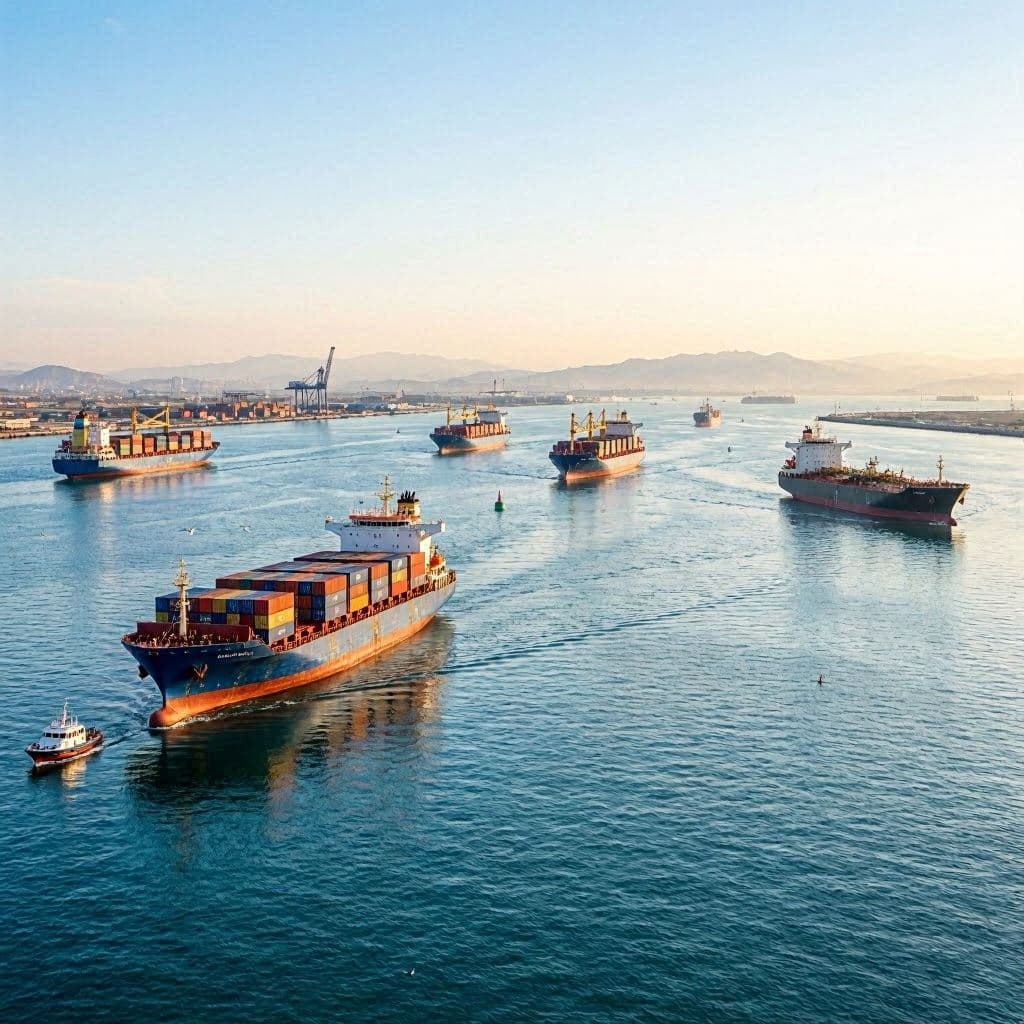
The Strait of Hormuz is a vital artery for global energy supplies, with a significant portion of the world’s oil passing through its narrow channels. During the conflict, disruptions to shipping caused widespread economic anxiety and highlighted the vulnerability of global supply chains. Oman’s proposal seeks to address these vulnerabilities by establishing a structured system for transit, funded by fees paid by commercial vessels, which would then be used to enhance security and maintenance.
The plan has been met with cautious interest from international stakeholders, who recognize the need for a sustainable solution to maritime security. However, it also raises questions about sovereignty and the role of regional powers in managing global resources. Critics argue that such a fee could be seen as a toll on free navigation, while supporters view it as a necessary investment in safety and stability.
Oman’s position as a mediator has been crucial in de-escalating tensions in the past, and this proposal reflects its continued commitment to peaceful resolution. By taking the lead in this initiative, Muscat aims to demonstrate that cooperation is possible even in the most challenging circumstances. The success of the plan will depend on the willingness of all parties to engage in good faith and prioritize collective security over individual interests.
The economic implications of the fee plan are significant, with potential impacts on shipping costs and energy prices. Analysts suggest that while the initial costs may be borne by consumers, the long-term benefits of reduced risk and increased reliability could outweigh these expenses. The key will be ensuring transparency and fairness in the implementation of the fee structure, so that it is perceived as a legitimate service rather than a punitive measure.
For the countries bordering the Strait, the proposal offers a chance to rebuild trust and collaborate on shared challenges. It provides a framework for dialogue and cooperation, which has been lacking in recent years. The hope is that this initiative will serve as a model for other regions facing similar security dilemmas, demonstrating that practical solutions can emerge from crisis.
As the details of the plan are refined, the international community watches with anticipation. The outcome will not only affect the region but also have broader implications for global trade and diplomacy. It is a test of whether nations can come together to protect common interests in the face of adversity, and whether innovation can pave the way for peace.
In the end, Oman’s proposal is a beacon of hope in a turbulent time. It reminds us that even after conflict, there is room for creativity and collaboration. The journey toward a secure and stable Strait of Hormuz will require patience and persistence, but the destination is one worth striving for.
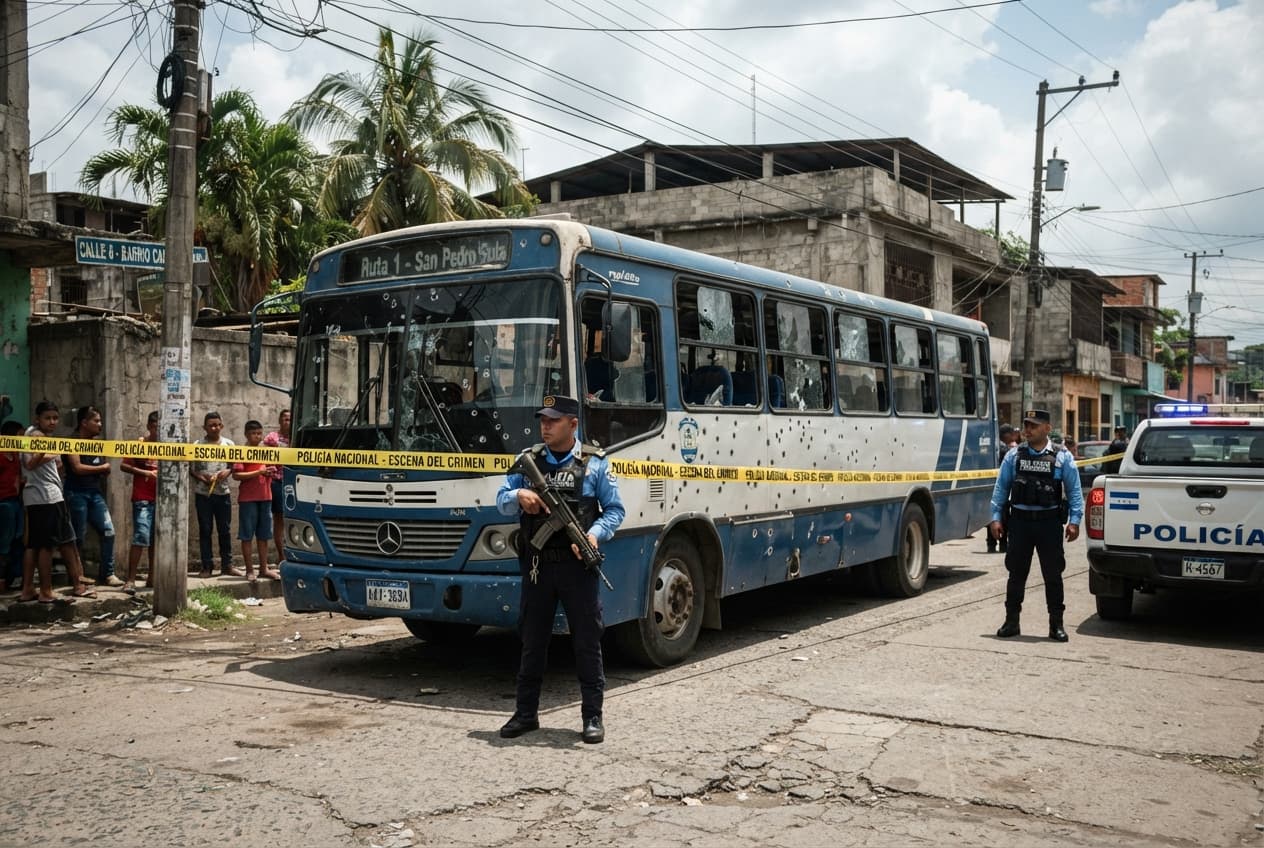
AI Image Disclaimer: The visual elements accompanying this article are generated by artificial intelligence to provide conceptual context and do not depict real-world scenes or individuals.
Sources: Reuters Al Jazeera The New York Times BBC News Financial Times
Note: This article was published on BanxChange.com and is powered by the BXE Token on the XRP Ledger. For the latest articles and news, please visit BanxChange.com