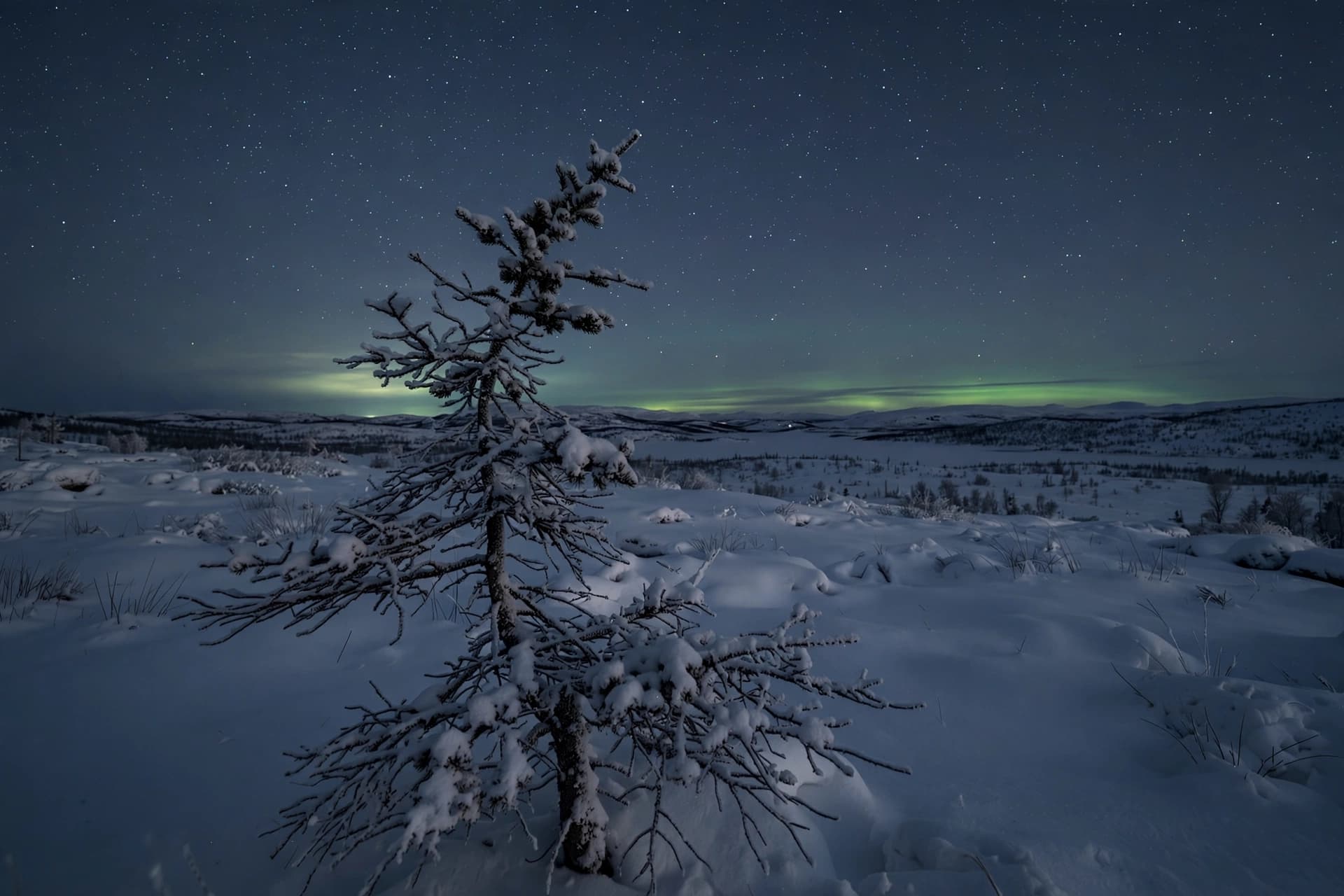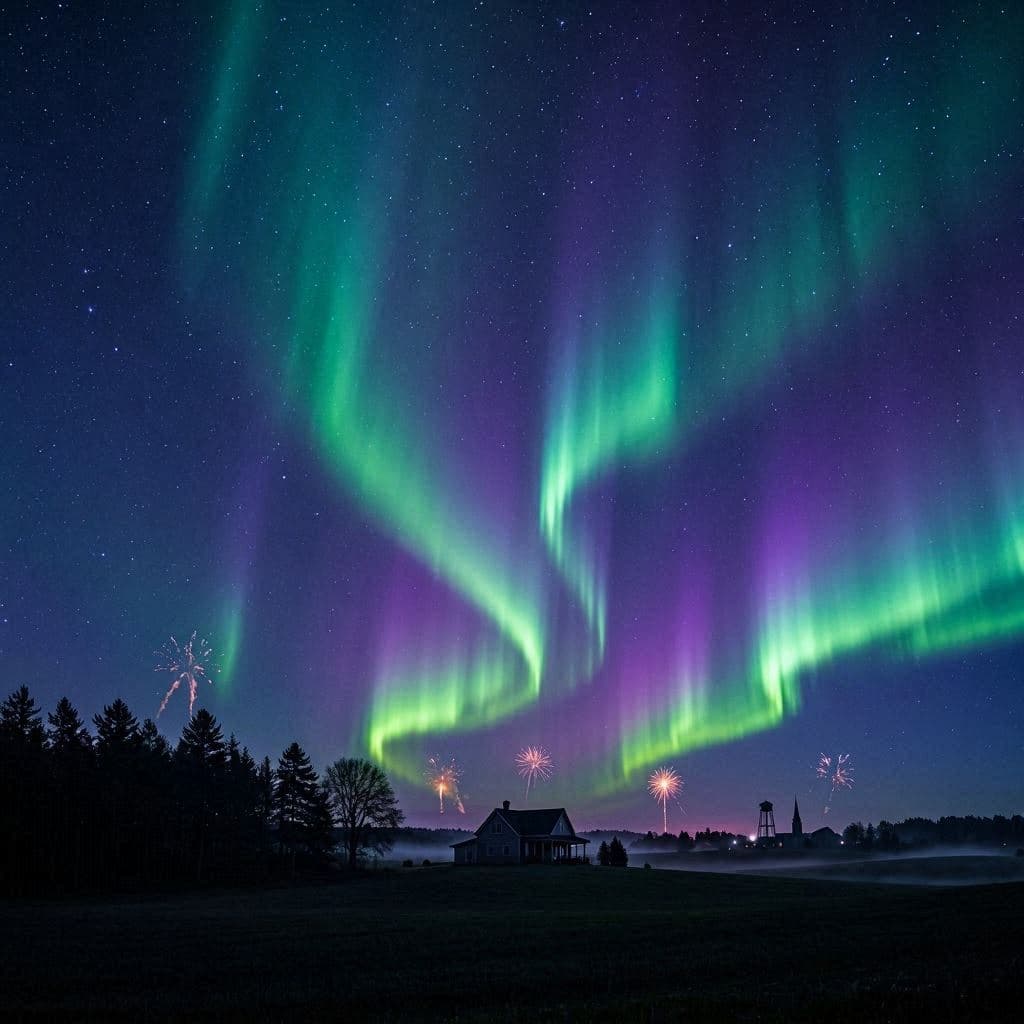
On a night when the sky is traditionally lit by the red and white bursts of fireworks, nature may offer its own celestial display. A strong geomagnetic storm has prompted alerts that the Northern Lights could be visible across as many as 26 U.S. states on July 4. This rare summer occurrence invites Americans to look up from their backyard barbecues and witness a phenomenon usually reserved for the far north. It is a moment where science and celebration intersect, reminding us of the dynamic relationship between our planet and the sun.
Body: The aurora borealis is caused by charged particles from the sun interacting with Earth’s magnetic field. Typically, these lights are confined to high latitudes, such as Alaska and northern Canada. However, during periods of intense solar activity, the geomagnetic storm can expand the auroral oval, pushing the lights much further south. The current alert, issued by the National Oceanic and Atmospheric Administration (NOAA), indicates a G3 or G4 level storm, which is strong enough to make the aurora visible in states as far south as Alabama and California, depending on local light pollution and weather conditions.
This event coincides with the peak of Solar Cycle 25, a period of heightened solar activity that occurs roughly every 11 years. During this peak, the sun produces more sunspots and solar flares, increasing the likelihood of geomagnetic storms. For skywatchers, this means more frequent and vivid displays. The timing on Independence Day adds a unique twist, offering a natural spectacle that complements the human-made celebrations below.
Visibility will depend heavily on local conditions. Dark skies away from city lights offer the best chance of seeing the faint green and purple hues of the aurora. Observers are advised to look north, preferably after midnight when the sky is darkest. While the lights may not be as bright as they appear in photographs taken with long exposures, the naked-eye view can still be breathtaking, especially for those who have never seen them before.
The scientific community views this event as an opportunity to study the effects of solar wind on Earth’s upper atmosphere. Researchers use data from satellites and ground-based observatories to track the storm’s progression and intensity. This information helps improve space weather forecasting, which is crucial for protecting satellites, power grids, and communication systems from potential disruptions caused by severe geomagnetic activity.
For many, the aurora serves as a reminder of the vast forces at play in our solar system. It is a visual representation of the connection between Earth and the sun, a bond that sustains life but also poses challenges. Watching the lights dance across the sky can inspire a sense of wonder and humility, connecting viewers to the broader cosmic environment. It is a shared experience that transcends borders and backgrounds.
As the holiday weekend unfolds, social media will likely fill with images and reports from lucky viewers. Community groups and astronomy clubs may organize viewing parties, helping newcomers identify the aurora and understand its science. These gatherings foster a sense of community and shared curiosity, turning a scientific event into a social one. It is a chance to educate and engage the public in the wonders of space weather.
Whether the lights appear clearly or remain elusive, the alert itself encourages people to step outside and appreciate the night sky. In an era of digital distraction, looking up offers a simple yet profound pleasure. The aurora, with its ethereal beauty, provides a perfect backdrop for reflection and celebration on a day dedicated to national pride.
Closing: The potential visibility of the Northern Lights across 26 states on July 4 offers a unique natural spectacle to accompany Independence Day celebrations. Driven by a strong geomagnetic storm, this event highlights the beauty and power of solar activity. Skywatchers are encouraged to seek dark locations and look north for a chance to witness this rare summer aurora.
AI Image Disclaimer: Please note that the visual illustrations accompanying this article are AI-generated representations intended to contextualize the discussion on aurora phenomena.
Sources: NOAA Space Weather Prediction Center NASA Fox Weather Space.com
Published by Banx Network. This article is part of the Banx decentralized media programme, powered by the BXE token on the XRP Ledger.