In the grand tradition of exploration, humanity has always sought to build tools that extend our senses beyond the limits of our own bodies. The Hubble Space Telescope gave us eyes to see the dawn of time, and the James Webb Space Telescope allowed us to peer into the atmospheric souls of distant worlds. Now, NASA is preparing for its next great leap: the Habitable Worlds Observatory (HWO). Designed to directly image Earth-like planets and search for signs of life, this flagship mission represents the pinnacle of astronomical ambition. But unlike its predecessors, HWO is being designed with a unique requirement in mind from the very beginning: it must be serviced. This decision reflects a mature understanding that even the most perfect machines need care, and that the quest for knowledge is a long-term commitment.
Body: The concept of servicing a space telescope is not new; it was the hallmark of the Hubble era, where astronauts performed daring repairs that extended the telescope’s life and capabilities. However, with the retirement of the Space Shuttle, that option vanished, leaving missions like James Webb to operate as one-shot wonders. If something broke on Webb, there was no fix. For HWO, which aims to operate for decades in the search for elusive biosignatures, this risk is unacceptable. NASA has therefore mandated that the new observatory be "serviceable," meaning it can be visited by robotic or crewed missions to upgrade instruments, repair components, or refuel.
This requirement presents significant engineering challenges. The telescope must be built with modular components, standardized interfaces, and accessible points for robotic arms or astronauts to interact with. It cannot be a sealed, monolithic structure but rather a complex assembly of parts designed for maintenance. This approach increases initial complexity and cost but promises a much longer operational lifespan and the ability to incorporate future technological advancements. It transforms the telescope from a static artifact into a dynamic platform for discovery.
Recent contracts awarded by NASA to companies like Astroscale U.S. highlight the seriousness of this endeavor. These firms are studying various servicing strategies, including the use of autonomous robotic spacecraft that can dock with the telescope and perform delicate tasks. The goal is to develop technologies that can ensure the observatory remains at the cutting edge of science for thirty years or more. This proactive planning is a shift from the reactive repairs of the past to a proactive strategy of sustained excellence.
The scientific stakes are incredibly high. HWO’s primary mission is to answer one of humanity’s oldest questions: Are we alone? By analyzing the light from exoplanets, it will look for chemical imbalances in their atmospheres that could indicate biological activity. Such discoveries would redefine our place in the universe. Ensuring that the instrument remains sensitive and accurate over such a long period is crucial, as false positives or missed signals could lead to incorrect conclusions about the presence of life.
Servicing also allows for the replacement of outdated technology. In the fast-moving field of astronomy, instruments can become obsolete quickly. By designing HWO to accept new cameras or spectrometers, NASA ensures that the telescope can adapt to new scientific questions and improved detection methods. This flexibility maximizes the return on investment and keeps the mission relevant in a rapidly evolving scientific landscape.
Furthermore, the development of servicing technologies for HWO has broader implications for space exploration. The same robotic systems used to maintain the telescope could be adapted for other purposes, such as clearing orbital debris, assembling large structures in space, or supporting future human missions to Mars. It fosters an ecosystem of in-space servicing that could revolutionize how we operate in the cosmos, moving from a disposable model to a sustainable one.
As the design phase progresses, engineers and scientists are working closely to balance the needs of science with the constraints of serviceability. Every mirror, every sensor, and every cable is being considered not just for its performance but for its accessibility. It is a collaborative effort that requires innovation, precision, and a long-term vision. The result will be a telescope that is not just a tool for observation but a testament to human ingenuity and stewardship.
Closing: NASA’s decision to make the Habitable Worlds Observatory serviceable marks a strategic shift in space telescope design. By planning for maintenance and upgrades, the agency aims to ensure the long-term success of its search for extraterrestrial life. This approach not only protects a significant scientific investment but also paves the way for a more sustainable future in space exploration.
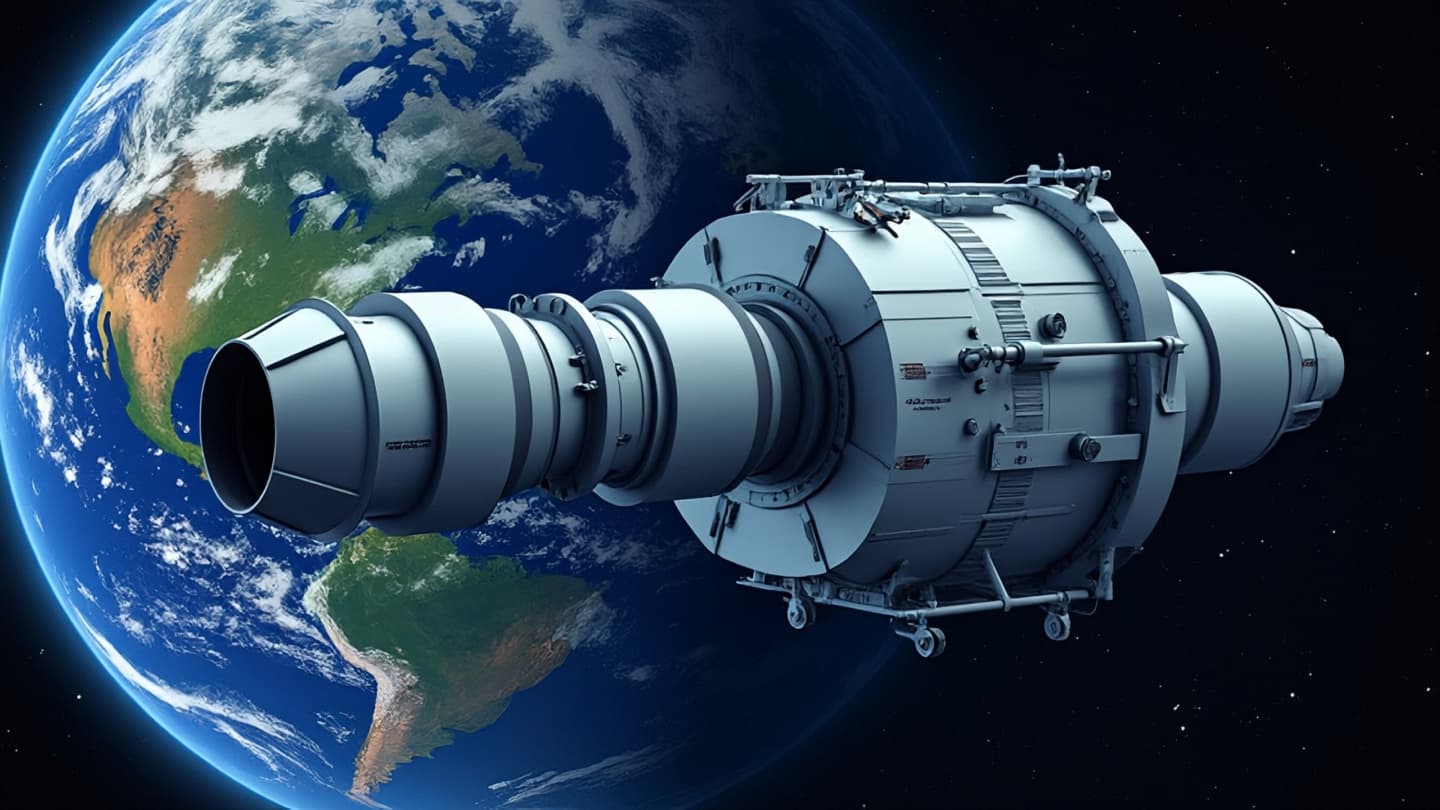
AI Image Disclaimer: Please note that the visual illustrations accompanying this article are AI-generated representations intended to contextualize the discussion on space telescope servicing.
Sources: NASA SpaceNews Habitable Worlds Observatory Official Site Astroscale U.S.
Published by Banx Network. This article is part of the Banx decentralized media programme, powered by the BXE token on the XRP Ledger.