
Key Highlights
- Incident:Liulan Reservoir in Nanning, China, failed due to heavy rainfall.
- Fatalities:26 confirmed dead as a result of the reservoir breach.
- Response:Emergency teams are actively engaged in recovery operations.
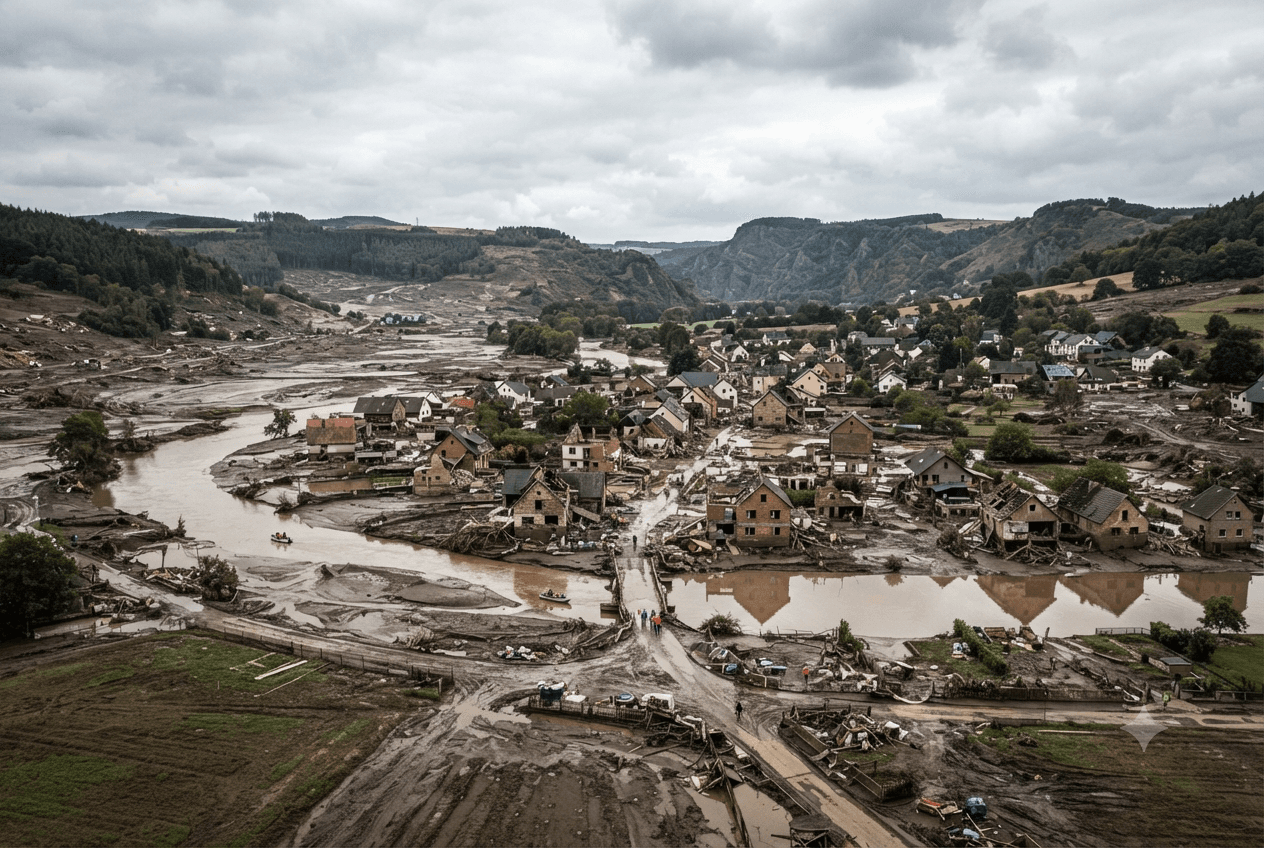
Nanning, China—The Liulan Reservoir in Hengzhou experienced a catastrophic failure early Monday morning, following days of relentless downpours attributed to Tropical Storm Maysak. The breach unleashed a torrent of water into the downstream valley, leading to the tragic confirmation of 26 fatalities directly linked to the collapse of the reservoir's barrier.
The disaster unfolded as the storm dumped unprecedented amounts of rainfall across the province, overwhelming local flood defenses. While warning sirens alerted some residents, the sheer volume of water proved too much for the existing infrastructure. Many towns, particularly those in low-lying areas, were caught off guard by the sudden deluge, exacerbating the situation.
In the immediate aftermath of the breach, emergency management teams were deployed to the site. Fire rescue squads and water resource experts faced treacherous conditions as they navigated the intense currents and debris left in the wake of the disaster. Initial recovery efforts were hampered by the wreckage of homes and overturned property, complicating the search for survivors.
The regional government responded swiftly, escalating the emergency response to its highest level shortly after the breach was reported. Resources were redirected from across the province to assist the inundated districts, with a focus on clearing debris from flooded streets to facilitate rescue operations. The municipal emergency committee reported record-breaking precipitation leading up to the structural failure, which placed immense pressure on medium-sized conservancy facilities in the area.
As search and rescue operations continued throughout the week, personnel worked diligently to check every building for survivors trapped under debris or mud. The recovery of victims has been slow, largely due to the hazardous state of the terrain, which remains unstable in many areas.
In light of the disaster, officials have initiated an investigation into the integrity of the reservoir’s flood control mechanisms. Public concern regarding the maintenance of regional infrastructure has surged, with residents questioning why the barrier failed despite early warnings of the approaching storm. The local government is under pressure to provide answers and ensure the safety of its infrastructure moving forward.
Reconstruction of the damaged downstream area is expected to be a lengthy process. Currently, the focus is on clearing access routes to ensure that food and medical supplies can reach displaced families. The local government has pledged to restore basic services to the affected towns as soon as possible, prioritizing the needs of those impacted by this tragic event.
Published by Banx Network. This article is part of the Banx decentralized media programme, powered by the BXE token on the XRP Ledger.



