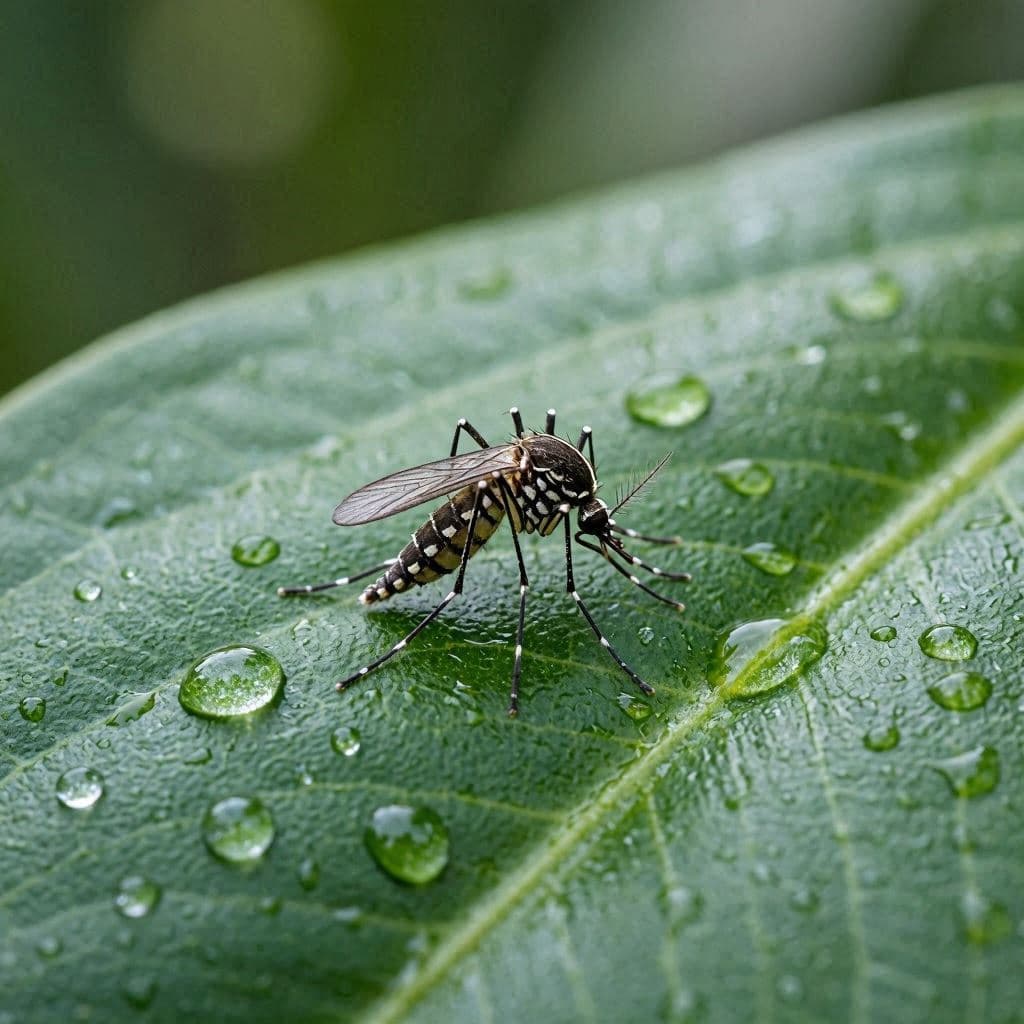
Opening: Summer evenings are often accompanied by the gentle hum of insects, a soundtrack to outdoor gatherings and quiet reflections. But this year, that hum carries a more ominous tone. The Centers for Disease Control and Prevention (CDC) has warned that an early and intense start to the West Nile virus season could signal a severe year for the mosquito-borne illness. As temperatures rise and standing water accumulates, the conditions for mosquito breeding become ideal, raising concerns about the potential spread of the virus across various regions. It is a reminder that nature’s rhythms, while beautiful, require our vigilance and respect.
Body: West Nile virus is primarily transmitted to humans through the bite of an infected mosquito. Most people who contract the virus do not develop symptoms, but for some, it can lead to serious neurological effects, including encephalitis or meningitis. The early onset of cases this year suggests that mosquito populations are thriving sooner than usual, likely due to warmer spring temperatures and favorable weather patterns. This trend has prompted health officials to urge communities to take preventive measures seriously.
The CDC’s warning is based on surveillance data from across the country, which shows higher-than-average mosquito activity and virus detection rates. States in the South and Midwest are currently seeing the highest numbers, but the risk extends to other regions as well. Public health departments are increasing their monitoring efforts, trapping mosquitoes and testing them for the virus to identify hotspots and guide response strategies. This proactive approach is crucial for mitigating the impact of the disease.
Prevention remains the most effective tool against West Nile virus. Residents are encouraged to eliminate standing water around their homes, where mosquitoes lay eggs. Simple actions such as emptying bird baths, cleaning gutters, and covering rain barrels can significantly reduce breeding sites. Additionally, using insect repellent, wearing long sleeves and pants, and staying indoors during peak mosquito hours can lower the risk of bites. Community-wide efforts amplify these individual actions, creating a safer environment for everyone.
Vulnerable populations, including the elderly and those with compromised immune systems, are at higher risk for severe complications. Healthcare providers are being advised to remain alert for symptoms of West Nile virus, such as fever, headache, body aches, and joint pain. Early diagnosis and supportive care can improve outcomes for patients who develop serious illness. Public awareness campaigns are targeting these groups to ensure they know the signs and when to seek medical attention.
The intensity of the season also highlights the broader implications of climate change on public health. Warmer temperatures and changing precipitation patterns can extend the mosquito season and expand the geographic range of vector-borne diseases. Understanding these connections is essential for developing long-term strategies to protect communities. Research into mosquito control methods and vaccine development continues, offering hope for more robust defenses in the future.
Local governments are playing a key role in managing the risk. Many are implementing larvicide programs to treat standing water in public areas and conducting aerial spraying in heavily affected zones. These efforts are balanced with environmental considerations to minimize impact on non-target species. Collaboration between agencies, scientists, and citizens is vital for achieving effective and sustainable control.
As the summer progresses, the situation will be closely monitored. The CDC will continue to provide updates and guidance based on the latest data. By staying informed and taking simple precautions, individuals can protect themselves and their families. The goal is to enjoy the summer safely, without the shadow of illness dampening the spirit of the season.
Closing: The CDC’s warning about an early and intense West Nile virus season underscores the need for vigilance and prevention. By eliminating breeding sites and protecting against bites, communities can reduce the risk of infection. Continued monitoring and public awareness are key to navigating a potentially severe year for this mosquito-borne illness.
AI Image Disclaimer: Please be aware that the visual aids in this piece are AI-generated interpretations designed to support the narrative of public health and seasonal safety.
Sources: Centers for Disease Control and Prevention (CDC) NPR USA Today WebMD
Published by Banx Network. This article is part of the Banx decentralized media programme, powered by the BXE token on the XRP Ledger.