
Key Highlights
- Over 100 Detained:Turkish authorities have detained more than 100 individuals during anti-NATO protests in Ankara.
- Security Measures:The detentions occurred as Turkey heightened security ahead of an upcoming NATO summit.
- Crackdown on Dissent:Critics argue that the government's actions are aimed at suppressing dissent and preventing public gatherings.
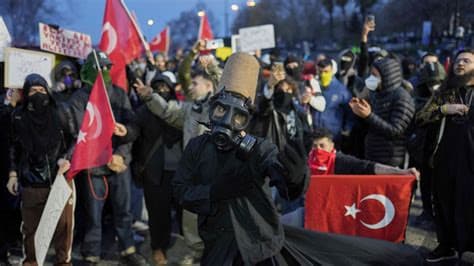
Turkey has detained more than 100 individuals following anti-NATO protests organized by leftist groups in Ankara, coinciding with heightened security measures ahead of a NATO summit. Reports indicate that police operations were conducted across several provinces, leading to the arrests of demonstrators despite a strict ban on public gatherings imposed by authorities.
The protests were part of a broader movement against NATO, with demonstrators expressing their opposition to the alliance's policies and military presence in the region. The Turkish government, citing security concerns, has implemented stringent measures to prevent any disruptions during the summit, which is expected to attract significant international attention.
Media outlets and human rights organizations have reported that the detentions targeted not only protesters but also individuals associated with left-wing and socialist political circles, journalists, and civil society activists. Many of those arrested are believed to have connections to banned leftist organizations or are accused of having ties to militant groups. Authorities have not provided a comprehensive explanation for the detentions, leading to speculation about the motivations behind the crackdown.
Critics of the Turkish government have voiced concerns that these actions are part of a broader strategy to silence dissent and restrict freedom of assembly and expression. Rights organizations have condemned the use of broad security measures, arguing that they violate fundamental rights. They have called on the government to release those detained and to respect the right to peaceful protest.
As the NATO summit approaches, the situation in Turkey remains tense, with ongoing debates about the balance between national security and civil liberties. The international community is closely monitoring developments, particularly in light of Turkey's strategic role within NATO and its relationships with various member states.
The protests and subsequent detentions highlight the ongoing challenges faced by dissenting voices in Turkey, as well as the complexities of navigating political expression in a country where government crackdowns on opposition are increasingly common. As the summit draws near, the implications of these events will likely resonate beyond Turkey's borders, influencing discussions around NATO's future and its relationship with member states.
Published by Banx Network. This article is part of the Banx decentralized media programme, powered by the BXE token on the XRP Ledger.



