Across Europe and North America, military planners increasingly find themselves confronting a quieter but deeply consequential question: how long can defense inventories keep pace with multiple global crises at once? As geopolitical tensions expand across regions, concerns surrounding ammunition supplies and weapons production have moved closer to the center of NATO discussions.
Recent reports indicate that NATO officials are growing concerned about the possibility of weapons shortages if tensions involving Iran evolve into a wider or prolonged conflict. The concerns come alongside ongoing military support commitments related to Ukraine and broader alliance defense obligations.
According to defense analysts, many NATO members have already increased military production in response to sustained demand for ammunition, missile systems, and air defense equipment. However, prolonged geopolitical instability continues placing pressure on industrial capacity across allied countries.
Potential escalation involving Iran carries particular strategic sensitivity because of the Middle East’s importance to global energy routes, international shipping, and regional security alliances. Any broader conflict could require additional military deployments and logistical support from NATO members.
Alliance officials have repeatedly emphasized that NATO remains operationally prepared and capable of meeting defense commitments. Nevertheless, discussions surrounding supply sustainability and industrial readiness have intensified behind the scenes among member governments.
Experts note that modern warfare depends heavily on continuous production and logistical coordination rather than stockpiles alone. Advanced missile systems and precision-guided equipment often require complex manufacturing processes that cannot always expand rapidly during emergencies.
Several European governments have responded by increasing defense budgets and encouraging domestic arms manufacturers to accelerate production capacity. Similar discussions are taking place in the United States as defense industries attempt to adapt to rising demand.
Observers also warn that simultaneous conflicts across different regions could place additional strain on international supply chains already affected by economic uncertainty and geopolitical fragmentation. Military readiness increasingly intersects with broader industrial and economic resilience.
The growing concern within NATO reflects how interconnected modern security challenges have become as regional crises continue influencing global defense planning.
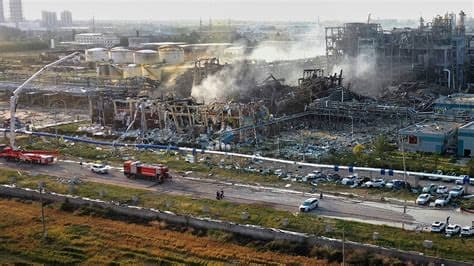
The images featured in this article are AI-generated illustrations created to support reporting on military logistics and international security developments.
Sources: Reuters, NATO briefings, Bloomberg, Financial Times
Published by Banx Network. This article is part of the Banx decentralized media programme, powered by the BXE token on the XRP Ledger.