
Key Highlights
- Cancellation:Japan's Self-Defense Forces have canceled the V-22 Osprey's maiden flight due to severe weather.
- Safety First:Commanders prioritized crew safety over training objectives amid storm warnings.
- Regional Impact:Joint military exercises with the U.S. are being reevaluated due to ongoing tropical storm systems.
Japan's Self-Defense Forces have announced the cancellation of a significant military flight operation involving the V-22 Osprey transport aircraft. The maiden flight was scheduled for today as part of ongoing joint exercises with the United States but was called off due to intense storm conditions affecting the region. Meteorologists had issued warnings regarding extreme wind speeds and dangerously low visibility along the planned flight path, prompting commanders to prioritize the safety of both the crew and the aircraft.
The V-22 Osprey was set to transit to Miyako Island, a strategic location for military operations. However, with the arrival of converging tropical storm systems, military officials are reassessing their training schedules. Several other planned maneuvers have also been paused to mitigate risks associated with the volatile weather conditions. This decision reflects a broader trend of adapting military activities in response to environmental challenges, particularly during Japan's typhoon season.
Safety protocols for the V-22 Osprey are stringent, especially during its initial deployment phases. High-altitude turbulence and heavy rainfall present unique challenges for pilots. Early this morning, command staff briefed the pilots on the potential storm risks, leading to the decision to scrub the mission. The health of the alliance between Japanese and U.S. forces is contingent on such cautious decision-making, especially in the face of natural disasters.
Currently, Miyako Island is experiencing the peripheral effects of the storms, with weather data indicating that flight conditions are unlikely to improve until the systems move further out to sea. As of now, no new date for the maiden flight has been confirmed. This situation underscores the increasing difficulty of maintaining defense schedules during the typhoon season, as officials are now tasked with rescheduling the exercises once regional stability returns.
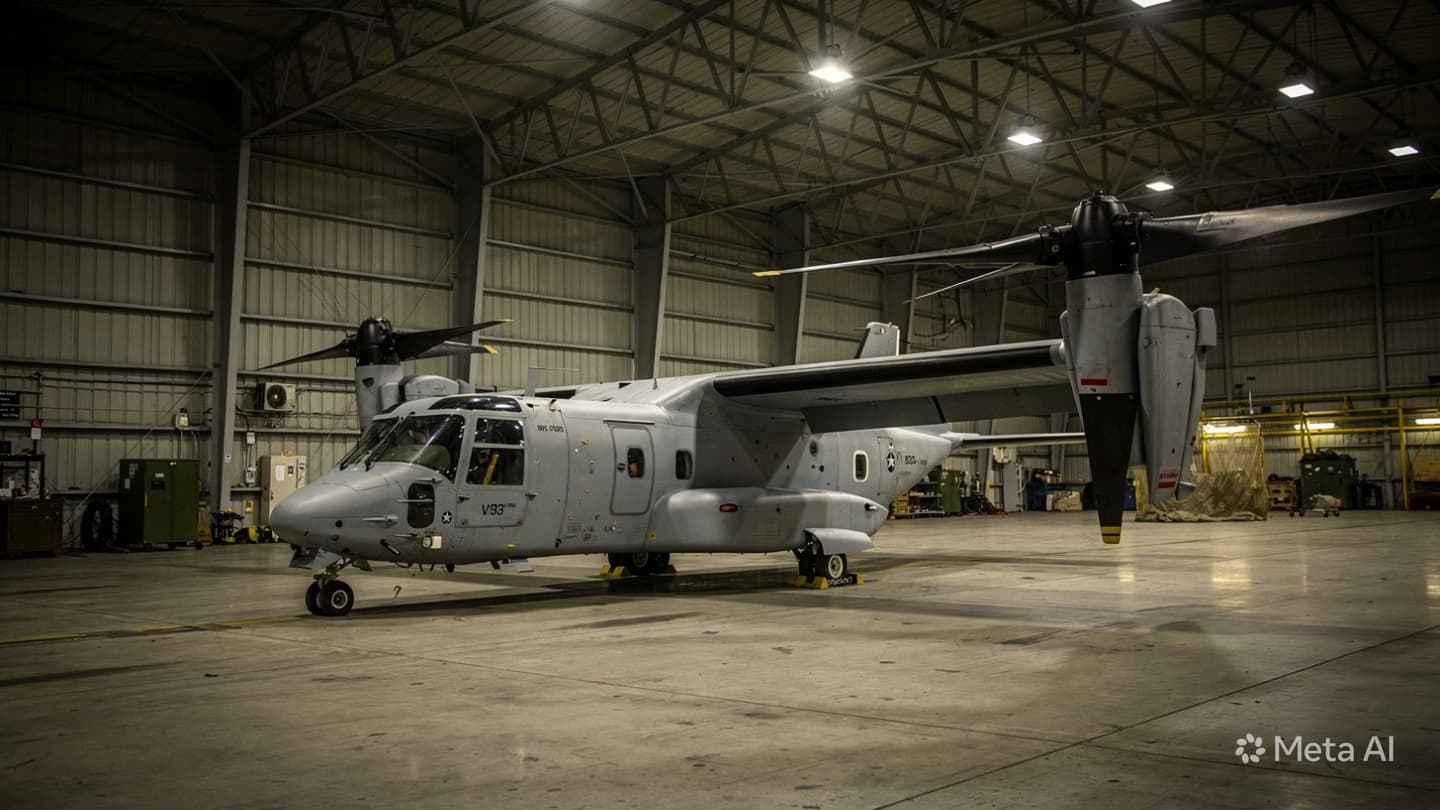
In the meantime, the V-22 Osprey is being secured in a hardened hangar until weather alerts are lifted. Technicians will conduct follow-up inspections on the aircraft systems before any future flight is authorized. The military remains on high alert for both defense and humanitarian missions across the archipelago, emphasizing the importance of readiness in unpredictable weather conditions.
The cancellation of this flight not only impacts training but also highlights the ongoing commitment of the Japanese Self-Defense Forces and their U.S. counterparts to ensure operational readiness while prioritizing safety in adverse weather conditions. As the region braces for further storms, the focus remains on support and potential disaster relief duties, showcasing the dual role of military forces in times of crisis.
Published by Banx Network. This article is part of the Banx decentralized media programme, powered by the BXE token on the XRP Ledger.



