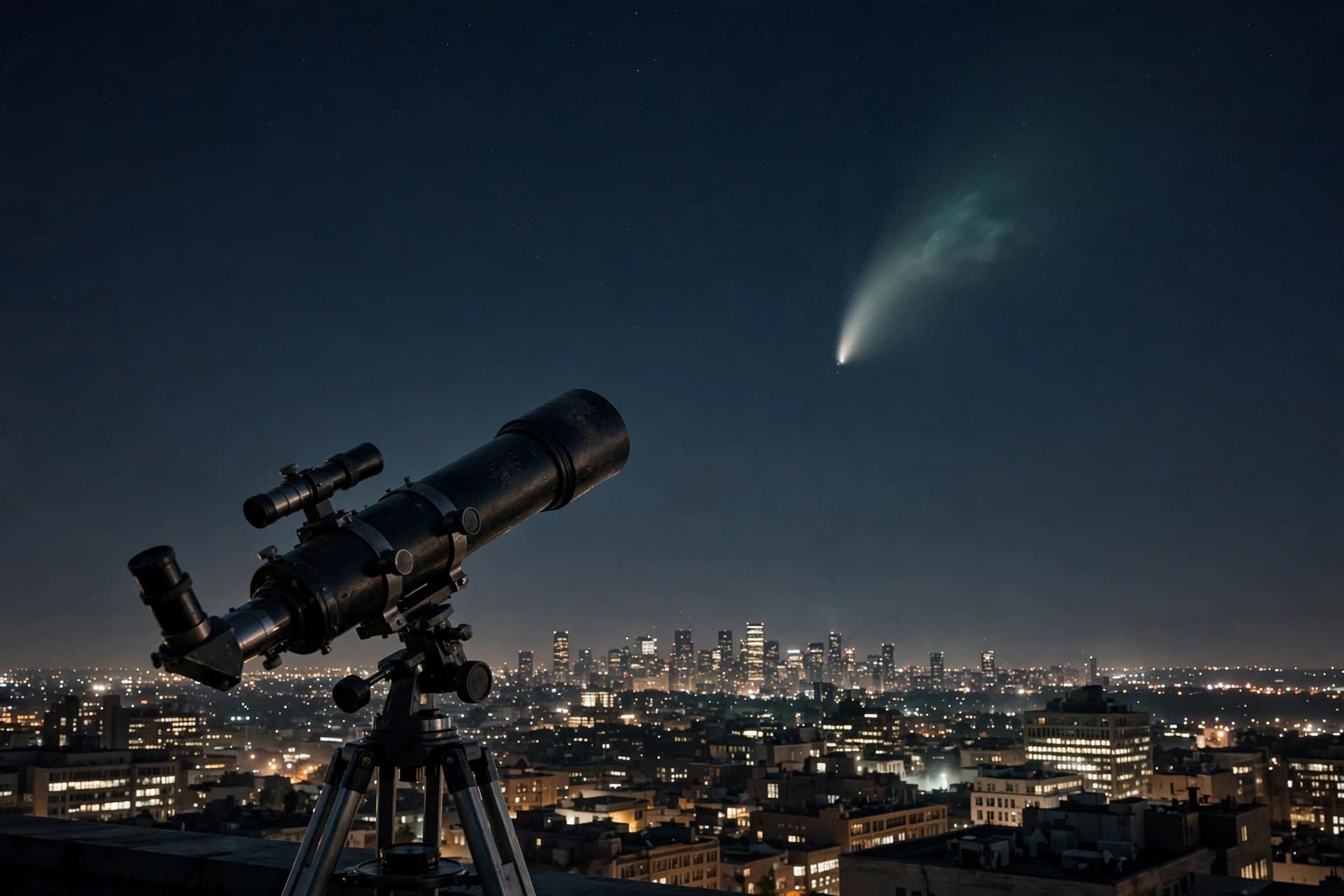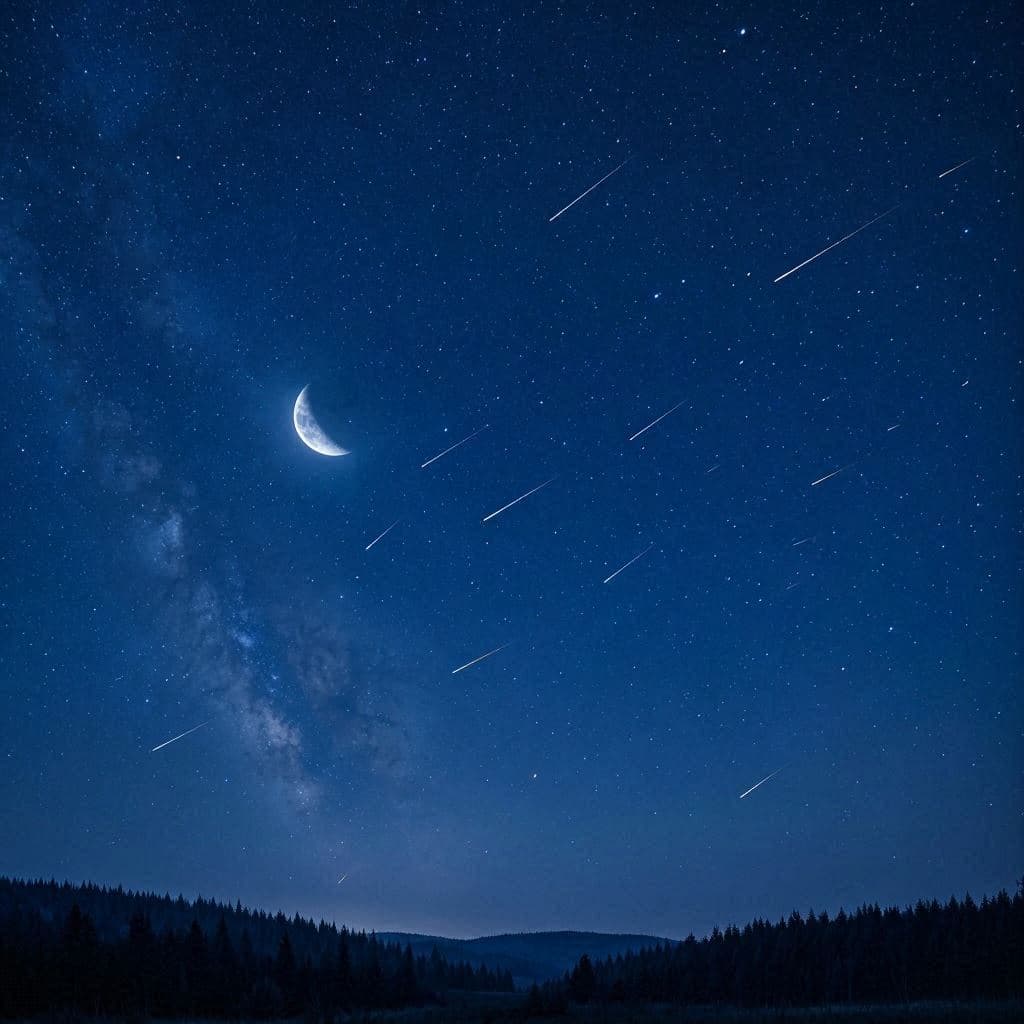
The night sky has long been a canvas for human wonder, a place where myths and science intersect. This week, the Perseid meteor shower returns, offering a spectacular display of celestial fireworks. However, the viewing experience will be influenced by a unique lunar phenomenon known as "earthshine," where the dark portion of the moon is faintly illuminated by sunlight reflected from Earth. This combination of meteors and moonlight invites reflection on the delicate interplay of light and shadow in our solar system. It is a reminder that even in darkness, there is illumination, and that our planet plays an active role in the cosmic dance.
Body: The Perseids are caused by Earth passing through the debris trail of Comet Swift-Tuttle. As these tiny particles enter the atmosphere, they burn up, creating bright streaks of light. Typically, the best viewing occurs during new moons when the sky is darkest. However, this year’s crescent moon, lit by earthshine, offers a different kind of beauty. The faint glow of the moon’s dark side provides a subtle backdrop, contrasting with the sharp brilliance of the meteors.
Earthshine itself is a poetic phenomenon. It occurs when sunlight hits Earth, reflects off our clouds and oceans, and then illuminates the moon. Seeing it requires clear skies and a keen eye, but it serves as a visible reminder of our planet’s presence in space. It connects the viewer on Earth to the moon and back again, creating a loop of light that is both scientific and symbolic. It highlights the interconnectedness of our local cosmic neighborhood.
For amateur astronomers, this event is an opportunity to observe two phenomena simultaneously. The meteors provide dynamic movement, while the earthshine offers a static, ethereal glow. Balancing the brightness of the moon with the faintness of the meteors requires patience and positioning. Finding a spot with a clear view of the horizon and minimal light pollution is key to maximizing the experience.
The cultural significance of meteor showers cannot be overstated. For centuries, people have looked up to make wishes or seek omens. The Perseids, with their reliable annual return, offer a sense of continuity and tradition. In a fast-paced world, taking time to watch the sky provides a moment of stillness and perspective. It reconnects us with the rhythms of nature and the vastness of time.
Scientifically, observing the Perseids helps researchers understand the composition of comets and the dynamics of our solar system. Each meteor is a sample of ancient material, offering clues to the early history of our planetary neighborhood. Citizen science projects often encourage public participation, allowing anyone to contribute to our collective knowledge. It democratizes discovery, making everyone a part of the scientific process.
Weather conditions will play a crucial role in visibility. Clear skies are essential for spotting both the meteors and the subtle earthshine. Cloud cover can obscure the view, but even partial clarity can offer glimpses of the spectacle. Checking local forecasts and being flexible with timing can enhance the chances of a successful viewing. It is a reminder that nature operates on its own terms.
As the shower peaks, communities often gather to share the experience. Stargazing parties and educational events foster a sense of community and shared wonder. These gatherings highlight the universal appeal of the night sky, transcending age and background. It is a moment of collective awe, binding people together under the same stars.
Closing: In the end, the Perseid meteor shower under an earthshine moon is a gift of light and shadow. It invites us to look up and appreciate the beauty of our cosmic surroundings. As we watch the sky, the hope is that we find inspiration and connection, reminded of our place in the grand scheme of the universe.
AI Image Disclaimer: Visuals accompanying this text are AI-generated conceptualizations intended to depict the themes of astronomy and natural beauty.
Sources: NASA American Meteor Society Time and Date
Published by Banx Network. This article is part of the Banx decentralized media programme, powered by the BXE token on the XRP Ledger.