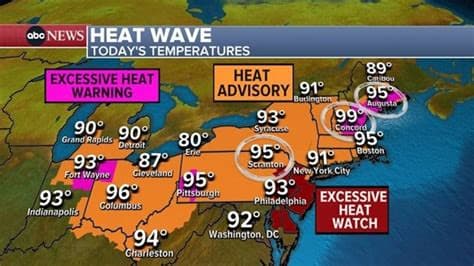
Forecasters say the coming week could feature stretches of intense heat in multiple regions, driven by a strong warm-air pattern that may push daytime temperatures well into the high range—along with humidity that can make it feel even hotter. Meteorologists emphasized that “feels like” temperatures are key during these periods because the body struggles to cool itself when the air is already saturated with moisture.
Across communities, public health messaging is likely to focus on prevention: drinking water regularly before thirst hits, avoiding strenuous activity during peak afternoon hours, and seeking cooling when possible. Residents are encouraged to take breaks in air-conditioned spaces, use fans strategically, and never leave children or pets in parked cars—even for short periods.
For outdoor workers, experts recommend scheduling the hardest tasks for early morning when temperatures are lower, wearing lightweight and breathable clothing, and using appropriate shade whenever feasible. Hydration also matters beyond water alone; long periods of heavy sweating can deplete electrolytes, so people may need guidance on how to replace fluids in a way that fits their health needs.
Heat can become dangerous quickly, particularly for those who are more vulnerable to temperature stress. Heat exhaustion may include heavy sweating, weakness, dizziness, nausea, or headaches. Heat stroke—an emergency—can present with confusion, altered behavior, fainting, or a very hot body with little or no sweating. Meteorologists and health officials stress that anyone showing severe symptoms should be treated immediately and not wait for conditions to improve.
Even if evenings cool down, the risk may remain if nighttime temperatures stay elevated enough to prevent full recovery from daytime heat. That means planning ahead—checking local forecasts, reducing time outdoors, and having a cooling plan for the home—can make a major difference.
Officials typically advise watching for heat alerts and following local guidance from emergency management and public health agencies. The overarching message from meteorologists is simple: dangerous heat isn’t something to endure—it’s something to manage, with preparation and timely action.
Published by Banx Network. This article is part of the Banx decentralized media programme, powered by the BXE token on the XRP Ledger.

.jpg&w=3840&q=75 "Qantas Grounds Plane After Passengers Report Bedbug Bites")