In the quiet corridors of hospitals and the bustling streets of cities worldwide, a silent tide is rising. Cancer, a disease as old as humanity itself, is changing its face and expanding its reach. The World Health Organization’s latest report paints a sobering picture: by 2050, the number of new cancer cases globally is projected to nearly double, reaching an estimated 35 million annually. This is not merely a statistical projection but a profound call to action, urging nations to come together with urgency and compassion to confront a challenge that respects no borders.
Body: The drivers of this increase are complex and multifaceted. Population growth and aging are significant factors, as cancer risk naturally rises with age. However, lifestyle changes also play a critical role. The widespread adoption of diets high in processed foods, reduced physical activity, and the persistent use of tobacco and alcohol are fueling the rise in preventable cancers. These risk factors are increasingly prevalent in low- and middle-income countries, where healthcare systems are often least equipped to handle the growing burden.
The disparity in cancer care remains one of the most pressing ethical challenges of our time. While survival rates in high-income countries have improved dramatically due to early detection and advanced treatments, many parts of the world still lack basic diagnostic tools and essential medicines. This gap means that a diagnosis in one part of the world may be a manageable condition, while in another, it remains a death sentence. The WHO emphasizes that equity must be at the heart of any global strategy to combat cancer.
Prevention, however, offers the most powerful tool we have. Up to 40% of cancers can be prevented through known risk factor modifications, such as vaccination against HPV and hepatitis B, reducing tobacco use, and promoting healthy lifestyles. Yet, implementation of these preventive measures is uneven. International cooperation is needed to support countries in implementing effective public health policies, such as taxation on sugary drinks and tobacco, and ensuring access to vaccines.
Early detection is equally crucial. Many cancers are treatable if caught in their initial stages. Strengthening primary healthcare systems to include cancer screening programs can save millions of lives. This requires investment in training healthcare workers, acquiring diagnostic equipment, and raising public awareness about the signs and symptoms of common cancers. It is a task that demands both financial resources and political will.
The economic impact of cancer is also staggering. Beyond the human toll, the disease places a immense strain on national economies through healthcare costs and lost productivity. Investing in cancer control is not just a moral imperative but an economic one. By reducing the burden of disease, societies can foster healthier, more productive populations, contributing to sustainable development.
The WHO’s call for faster international action is a reminder that no single country can solve this crisis alone. Sharing knowledge, technology, and best practices is essential. Global partnerships can help accelerate research into new treatments and ensure that innovations reach those who need them most. It is a collective responsibility to turn the tide against cancer.
Closing: The projection of doubling cancer cases by 2050 is a warning we cannot ignore. By prioritizing prevention, equity, and international collaboration, we can reshape this future. The path forward requires empathy, innovation, and a steadfast commitment to ensuring that everyone, everywhere, has the chance to live a life free from the fear of cancer.
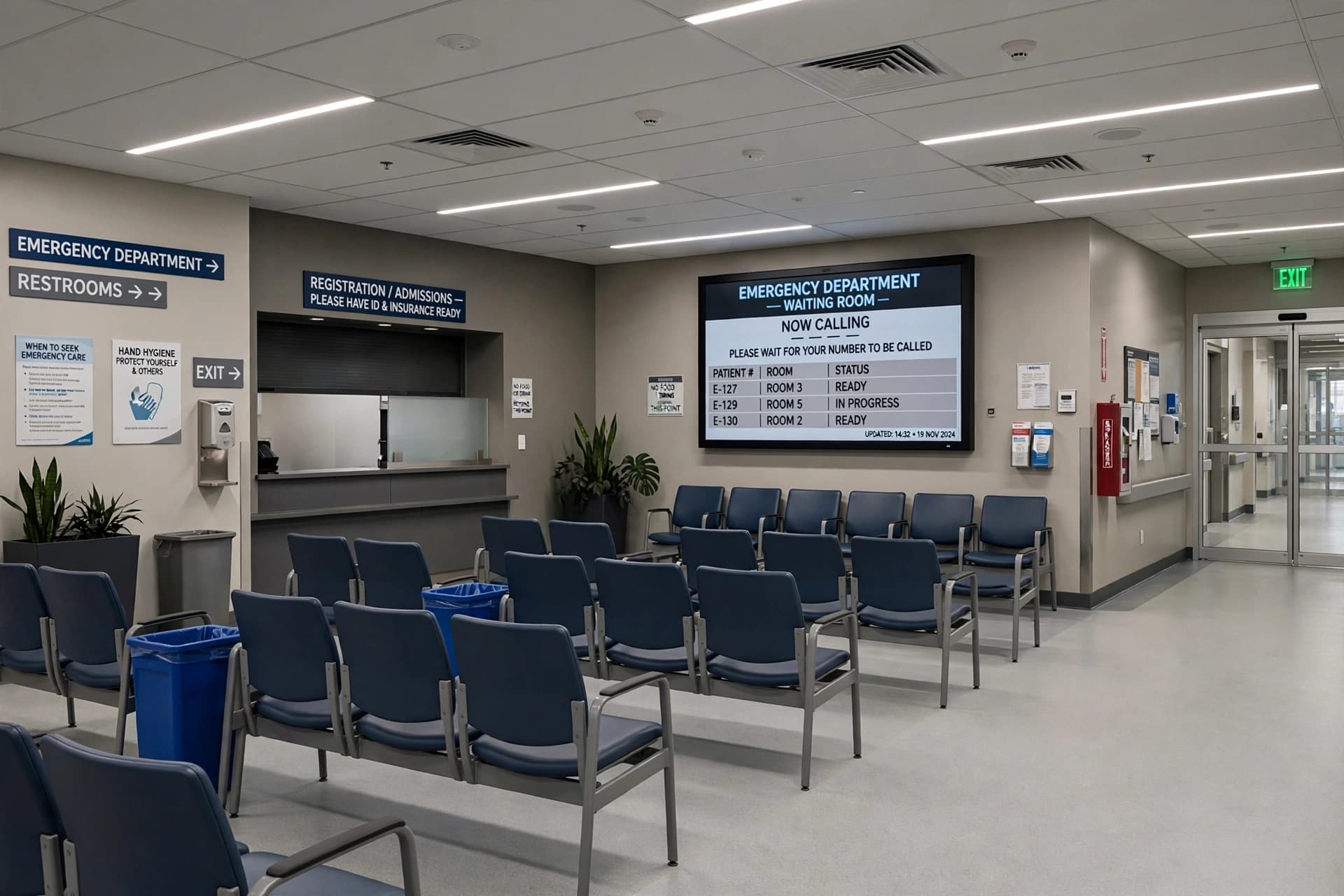
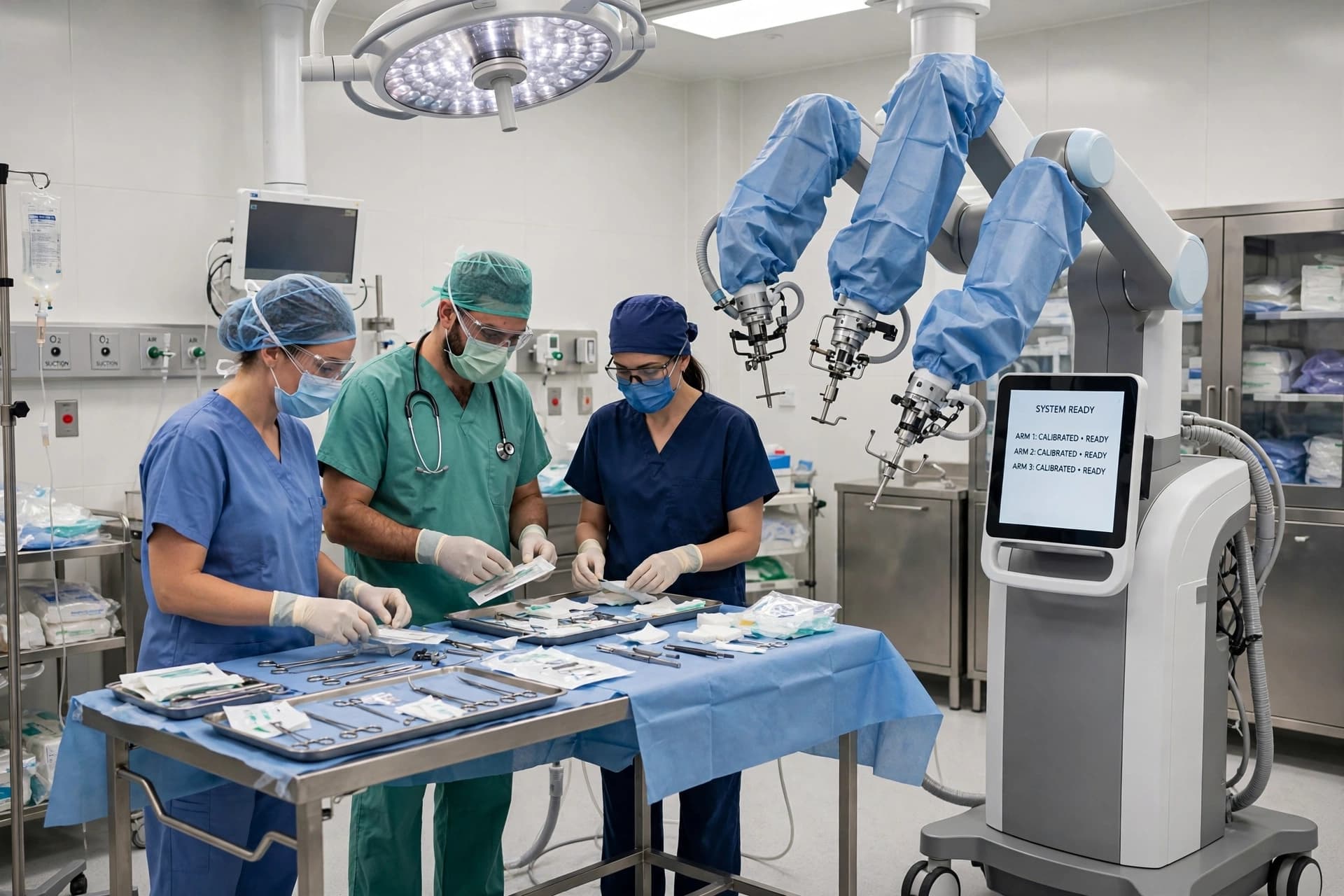
AI Image Disclaimer: The images accompanying this article are AI-generated illustrations representing global health concepts and should not be viewed as actual medical imagery.
Sources: World Health Organization, UN News, The Independent, Nature Medicine, The Lancet Oncology
Published by Banx Network. This article is part of the Banx decentralized media programme, powered by the BXE token on the XRP Ledger.

.jpg&w=3840&q=75 "Qantas Grounds Plane After Passengers Report Bedbug Bites")