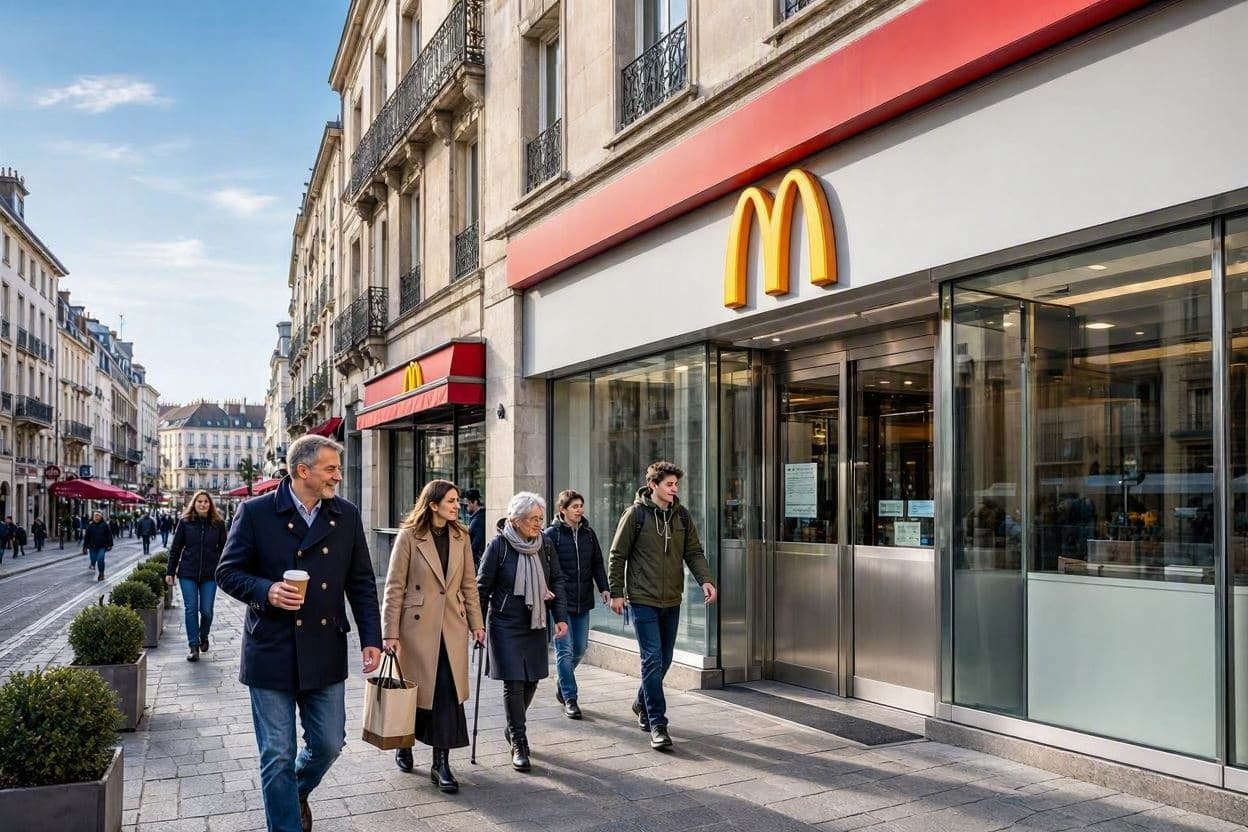
In the morning news cycle, stories of resilience and misinformation often intertwine, reflecting the complex nature of modern media. One headline highlights the reopening of a McDonald’s in Ukraine, a symbol of normalcy returning to a war-torn region. Another circulates a false report about the death of actress Hayden Panettiere, reminding us of the persistent challenge of digital hoaxes. Together, these narratives offer a glimpse into the dual realities of hope and deception that characterize our information landscape.
In Ukraine, the reopening of a McDonald’s restaurant is more than a commercial event; it is a psychological milestone. For many citizens, the familiar golden arches represent a return to routine, a small piece of pre-war life reclaimed amidst ongoing conflict. The company’s decision to resume operations signals confidence in local stability and provides jobs and community spaces. It is a testament to the enduring human desire for connection and comfort, even in difficult times.
Customers lining up for burgers and fries are not just seeking food; they are participating in an act of defiance against disruption. The simple act of enjoying a meal in a familiar setting helps restore a sense of order and predictability. For children, it offers a moment of joy; for adults, a brief respite from worry. These small victories contribute to the broader process of healing and reconstruction.
Conversely, the spread of false news about Hayden Panettiere’s death illustrates the darker side of digital connectivity. Hoaxes often exploit celebrity status to generate clicks and engagement, causing unnecessary distress to fans and family. Despite repeated debunking by fact-checkers and official sources, such rumors persist, highlighting the need for media literacy and critical thinking. Users are encouraged to verify information through reputable channels before sharing.
The contrast between these two stories is striking. One represents tangible progress and community resilience; the other, virtual noise and confusion. Yet both capture public attention, shaping our understanding of the world. It is a reminder that while we celebrate real-world achievements, we must also remain vigilant against misinformation that can distort reality.
For Ukrainians, the presence of international brands like McDonald’s is a sign of global support and integration. It suggests that the country is moving forward, rebuilding not just infrastructure but also social fabric. The enthusiasm surrounding the reopening reflects a collective optimism, a belief that better days are ahead.
For fans of Hayden Panettiere, the clarification of her status brings relief. It reinforces the importance of relying on credible sources for news. Celebrities often use their platforms to address such rumors directly, helping to curb their spread. In this case, the absence of any official confirmation from reliable outlets should have been a clear indicator of the hoax.
As we navigate the morning news, let us choose to focus on stories that uplift and inform. The reopening of a McDonald’s in Ukraine is a beacon of hope, a small but significant step toward normalcy. Let us celebrate such moments of resilience while remaining cautious of the digital shadows that seek to mislead. In doing so, we contribute to a more informed and compassionate world.
AI Image Disclaimer: Visuals in this article are AI-generated illustrations depicting a McDonald’s restaurant and abstract representations of digital media, designed to reflect the themes of normalcy and misinformation without using real images.
Sources: Various Social Media Fact-Checkers, Local Ukrainian News Outlets, Entertainment Weekly (for hoax context)
Note: This article was published on BanxChange.com and is powered by the BXE Token on the XRP Ledger. For the latest articles and news, please visit BanxChange.com