In the quiet hours before dawn, when the world is still wrapped in sleep, a tragedy unfolded that would shake a community to its core. The story of a teenage boy lost to the machinery of daily waste collection is not just a report of an accident but a somber reflection on vulnerability and the unseen risks that linger in our urban landscapes. As details emerge, they paint a picture of a moment gone wrong, leaving behind questions that resonate far beyond the immediate scene.
The incident involved a young teenager who had sought shelter in an industrial waste bin, a place intended for refuse but mistaken for a resting spot. Along with two friends, he had fallen asleep inside the container, unaware of the routine that was about to unfold. When the garbage truck arrived to empty the bin, the driver, following standard procedures, did not realize the boys were inside. The mechanical process, designed for efficiency, became an instrument of fatal error.
Police reports indicate that the truck’s lifting mechanism raised the bin and emptied its contents into the compactor. One of the boys managed to jump free, while another was uninjured, but the third suffered catastrophic injuries. Emergency services arrived quickly, but the severity of the trauma meant that life could not be saved at the scene. The suddenness of the event left first responders and witnesses alike grappling with the shock of such a preventable loss.
The identity of the boy has been released, allowing the community to mourn a specific life rather than an anonymous statistic. He was described by friends and family as a caring and friendly young person, whose potential was cut short by a freak accident. This personalization of the tragedy adds a layer of deep sorrow, reminding us that behind every headline is a family facing an unimaginable void.
Investigations are ongoing to determine if any safety protocols were breached or if additional measures could have prevented the outcome. Industrial bins are often large enough to conceal a person, and while warning signs may exist, they are not always visible or understood by those seeking shelter. The incident highlights the complex intersection of homelessness, youth vulnerability, and industrial safety standards.
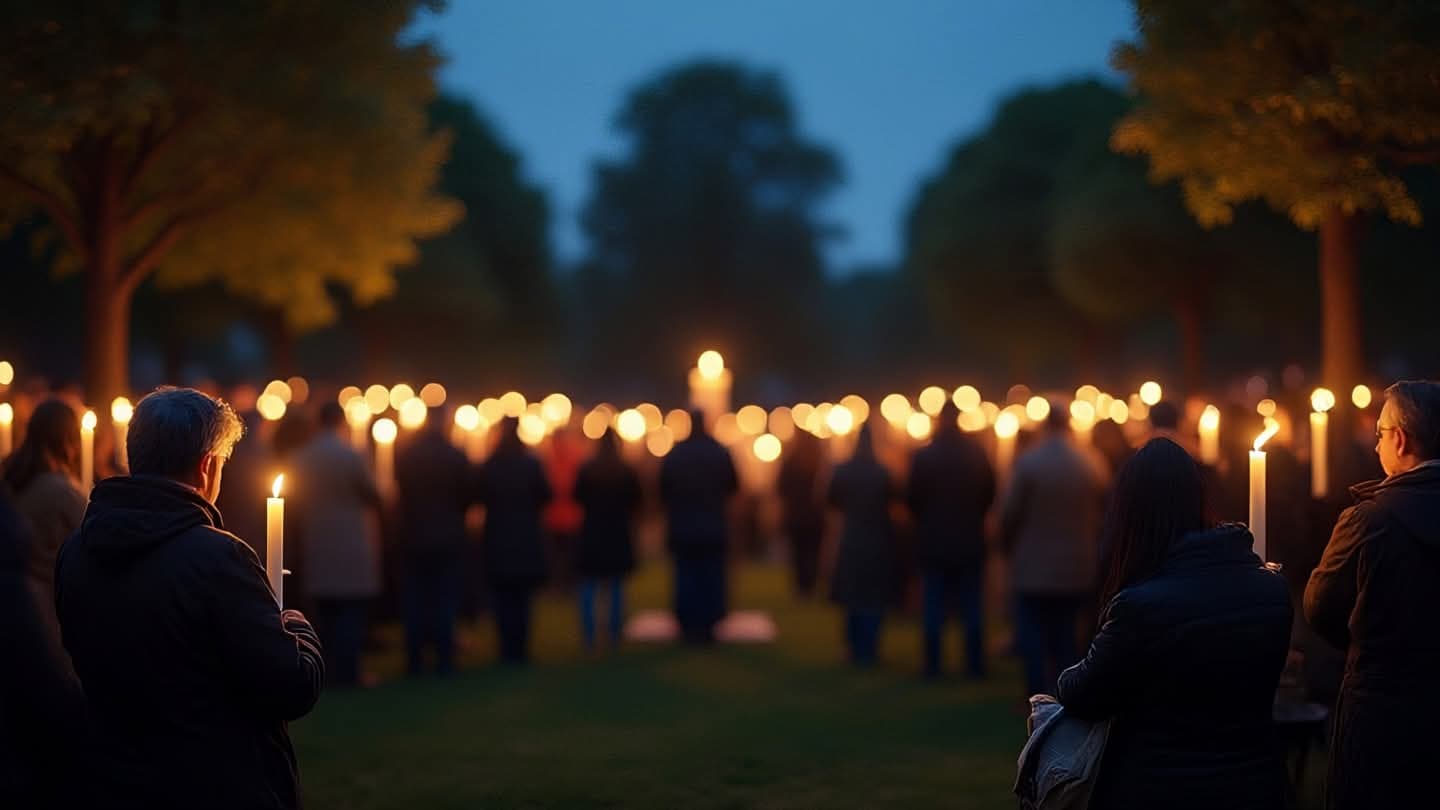
Community response has been one of grief and anger. Vigils have been held, and calls for greater protection for at-risk youth have grown louder. The tragedy serves as a stark reminder of the struggles faced by young people who feel compelled to sleep in dangerous places. It underscores the need for social services to reach those who are invisible to the broader public until it is too late.
For the waste management industry, the event is a sobering case study. Drivers and companies are reviewing their practices, considering whether additional checks or technology could help detect human presence in bins. While no system is foolproof, the desire to prevent such horrors in the future is driving a reevaluation of standard operating procedures across the sector.
As the investigation continues, the focus remains on supporting the grieving family and the two surviving friends, who are reportedly too traumatized to speak. The community stands with them, offering comfort in a time of profound loss. This tragedy, while accidental, leaves a lasting mark, urging society to look closer at the margins where danger and desperation meet.
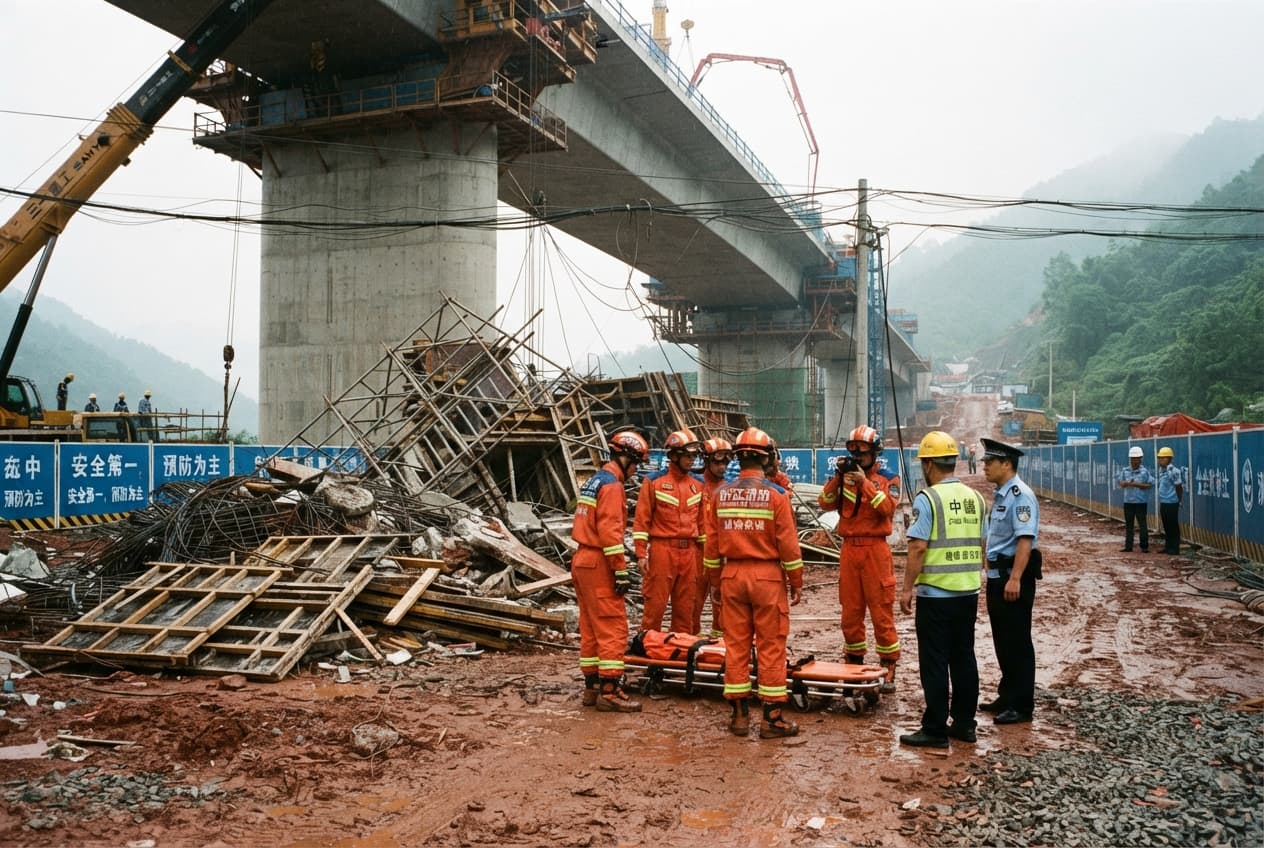
AI Image Disclaimer: The visual representations in this article are AI-generated illustrations depicting solemn memorial scenes and industrial settings, designed to respect the sensitivity of the topic without showing graphic content.
Sources: ABC News, The Independent, New York Post, News.com.au
Note: This article was published on BanxChange.com and is powered by the BXE Token on the XRP Ledger. For the latest articles and news, please visit BanxChange.com